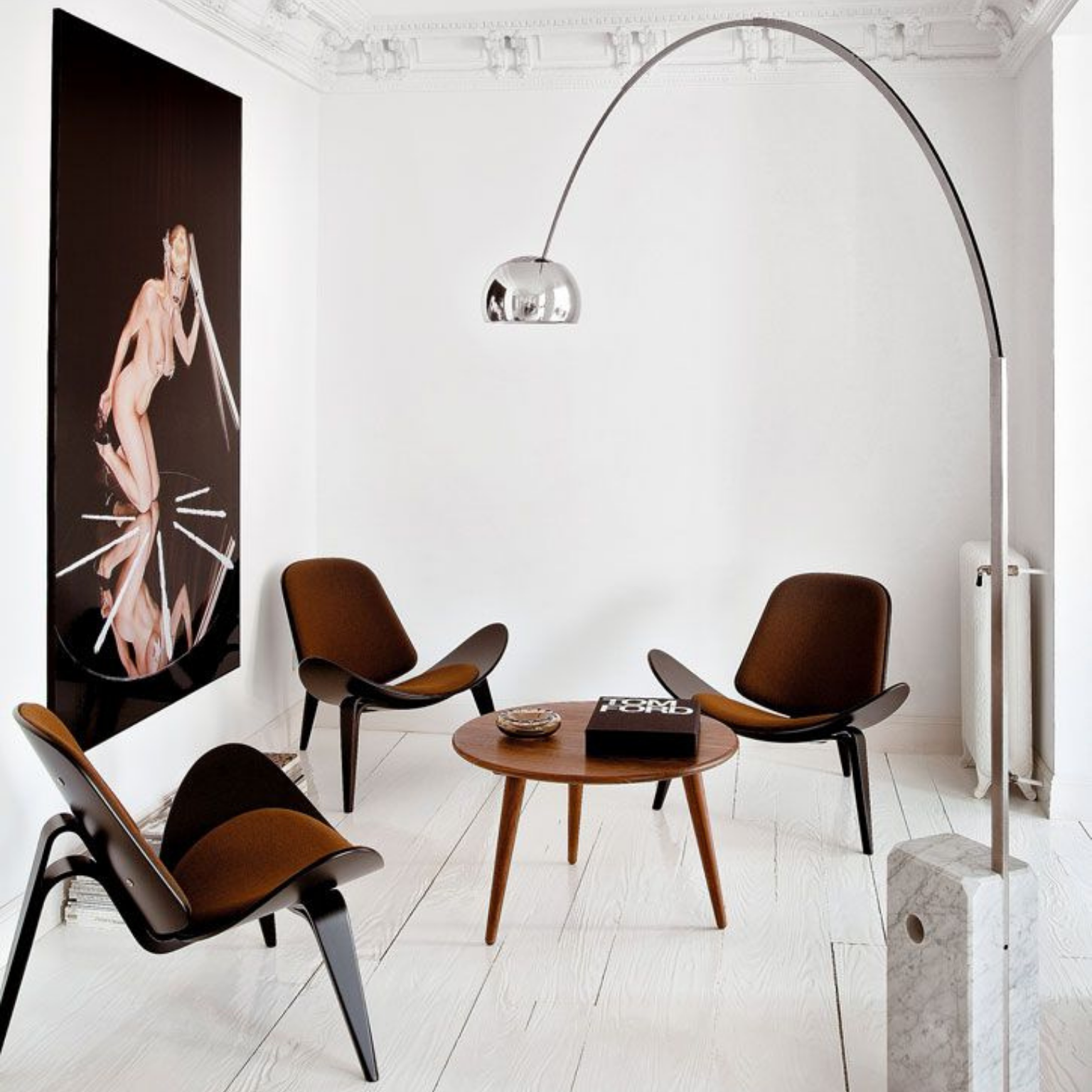
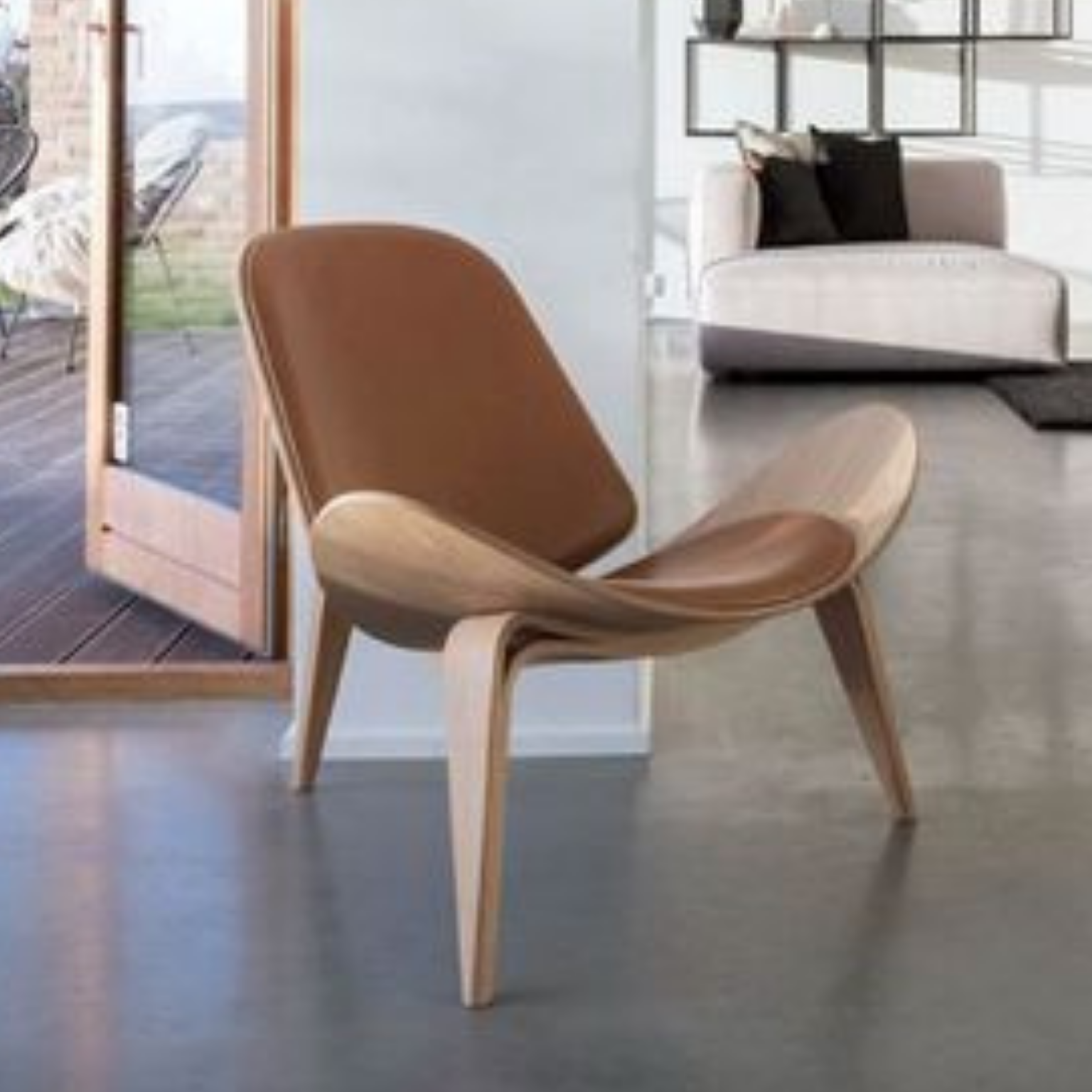
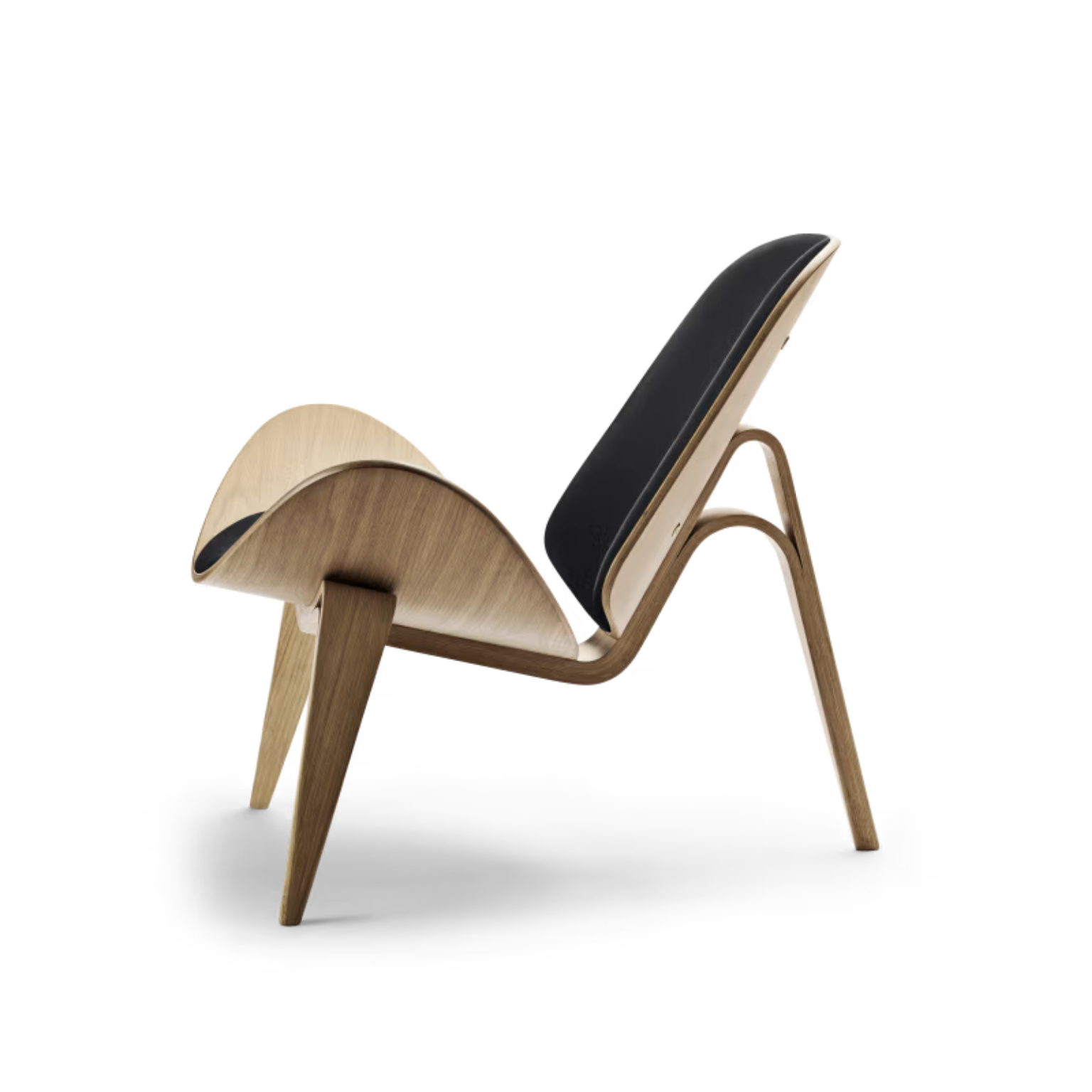
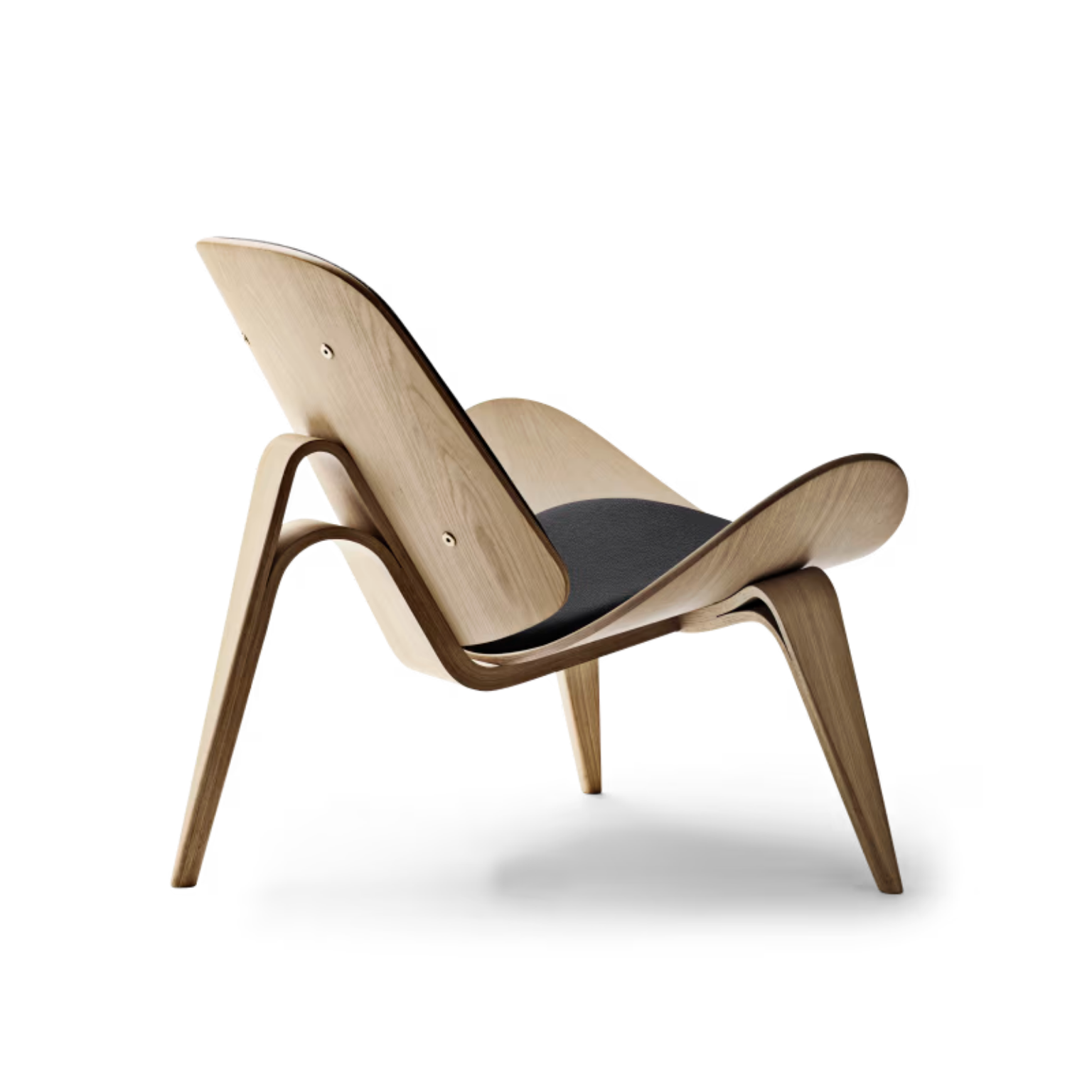
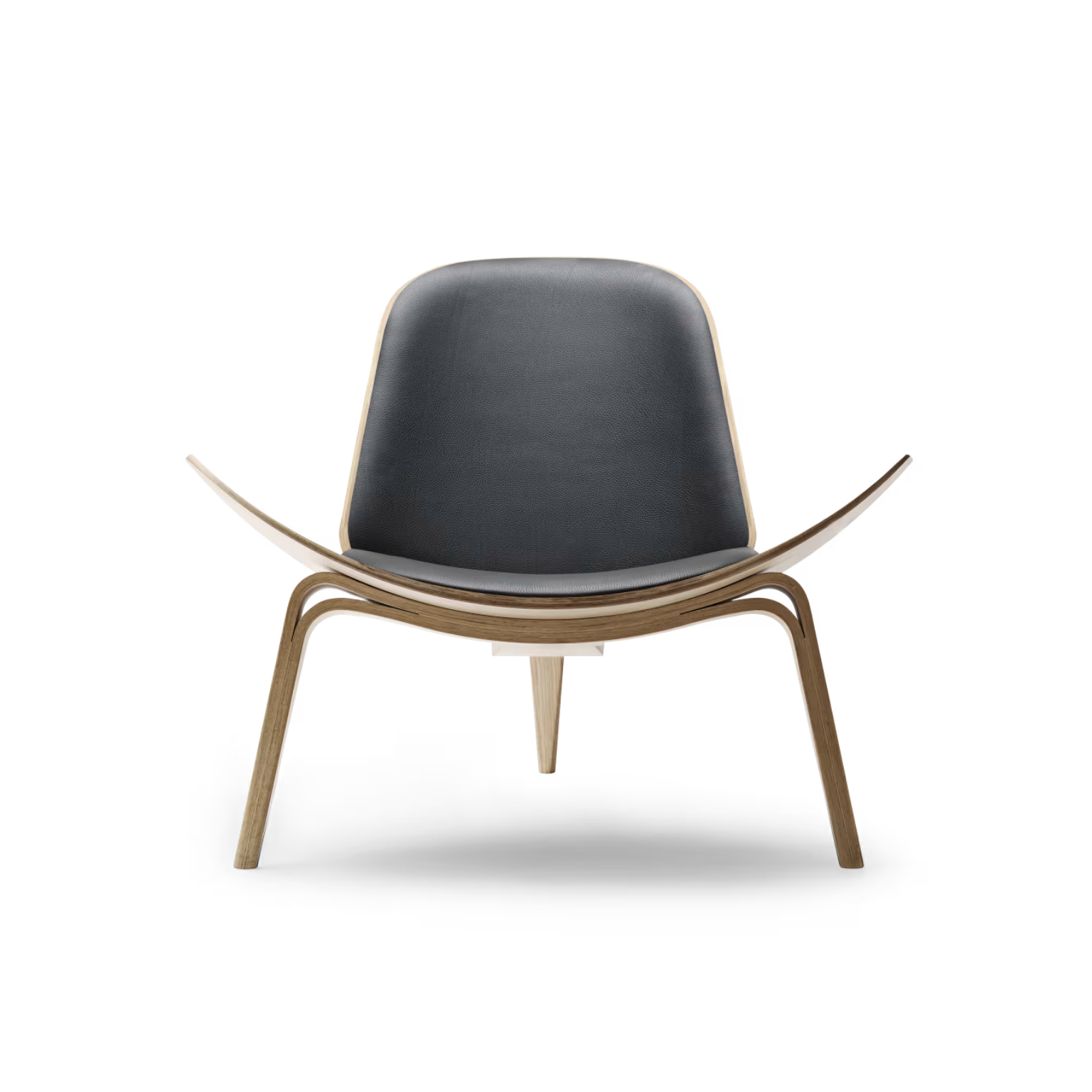
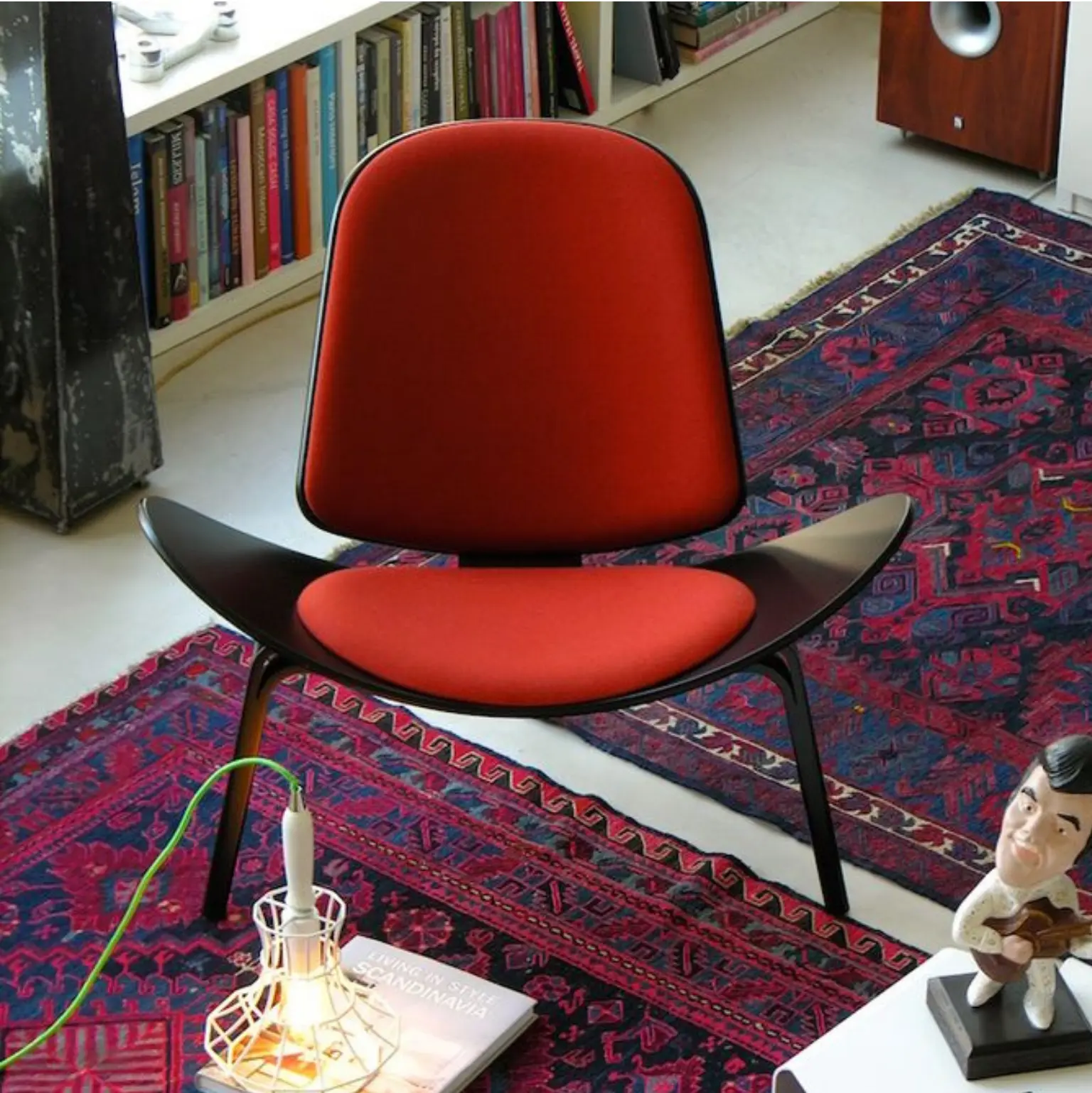
Nicknamed the “Smiling Chair,” the CH07 pairs sculptural boldness with effortless poise. A daring design that time finally caught up with.
Unveiled in 1963, the Shell Chair was initially seen as too avant-garde for its era. Its three-legged stance and floating, wing-like seat embody Wegner’s fascination with balance - visual and structural. Reintroduced in the 1990s, it quickly earned worldwide acclaim. Each chair is shaped from curved laminated veneer and fitted with a padded seat that appears to hover yet offers remarkable stability. A testament to Wegner’s vision, it remains proof that design can be both radical and perennially relevant.
A mid-century vision made possible by modern craft, the Elbow Chair is Wegner’s study in simplicity and support.
Conceived in 1956 but only produced in 2005 due to technical limitations, the CH20 showcases Wegner’s foresight. Its single-piece, steam-bent backrest curves gently to cradle the sitter, while its low horizontal profile complements dining or workspace settings. The molded veneer seat, upholstered in fabric or leather, enhances comfort without bulk. Understated yet distinct, the Elbow Chair proves that restraint - executed perfectly - is timeless design at its most intelligent.
Steel, rope and sheepskin - an unlikely trio turned into one of Wegner’s boldest experiments in comfort.
Born from a summer afternoon by the sea, the Flag Halyard Chair is Hans J. Wegner’s rebellion against convention. A stainless-steel frame holds hundreds of meters of hand-tied flag line, tensioned with the precision of ship rigging. Draped in long-haired sheepskin, it turns industrial material into invitation. Sculptural yet humane, this chair proves that Nordic modernism could be both raw and refined.
The CH25 reflects Wegner’s mastery of making simplicity rich - airy in form, grounded in craft.
Introduced in 1950, the CH25 Lounge Chair showcases Wegner’s devotion to honest materials and everyday comfort. Its seat and back are handwoven from durable paper cord in a pattern that takes ten hours to complete, while its solid wood frame highlights the natural grain and joinery. Light in scale yet substantial in presence, the CH25 fits easily into homes and public spaces alike - a seamless blend of relaxation, proportion and craftsmanship that continues to define Danish design.
Architectural precision, graceful presence – the OW58 T-Chair is elegance in form.
Designed in 1958 by Ole Wanscher for Carl Hansen & Søn, the OW58 T-Chair features a distinctive T-shaped backrest that combines functional support with refined design. Crafted from solid oak or walnut, its gently curved back and upholstered seat offer comfort, while slender, angled legs give the chair a light, sculptural quality. Every detail—from precise joinery to balanced proportions—reflects Danish craftsmanship. Compact yet striking, the OW58 continues to embody Wanscher’s pursuit of timeless elegance and functional beauty.
A single seamless curve - sculpted for comfort, celebrated for history.
Known today as The Chair or the Kennedy Chair, Wegner’s Round Chair distilled decades of Danish craftsmanship into one continuous gesture of wood and cane. Its silhouette - open, honest, and impossibly fluid - embodied everything modern design aspired to be. Chosen for the first televised U.S. presidential debate between John F. Kennedy and Richard Nixon in 1960, it proved that comfort and character could command a room without saying a word.
Poised, powerful and reassuring - a chair that holds you as much as it supports you.
Introduced in 1951, the Papa Bear Chair was Hans J. Wegner’s answer to comfort with structure. Its generous arms, likened to a bear’s paws, give the piece its name and its sense of authority. Beneath the upholstered form lies a complex construction of solid wood, natural fibers and meticulous hand-stitching, shaped through more than a hundred precise steps. Every curve feels deliberate, every proportion measured. To sit in it is to understand why Wegner’s work endures - not as nostalgia, but as living craft.
A chair with a secret - equal parts furniture, sculpture and daily ritual.
Hans J. Wegner’s Valet Chair transforms habit into design. Its backrest folds into a coat hanger; its seat lifts to store pocket essentials. Carved from solid wood with seamless joinery, it turns the act of undressing into quiet theatre. Ingenious yet intimate, the Valet Chair is proof that the most practical ideas can also be the most poetic
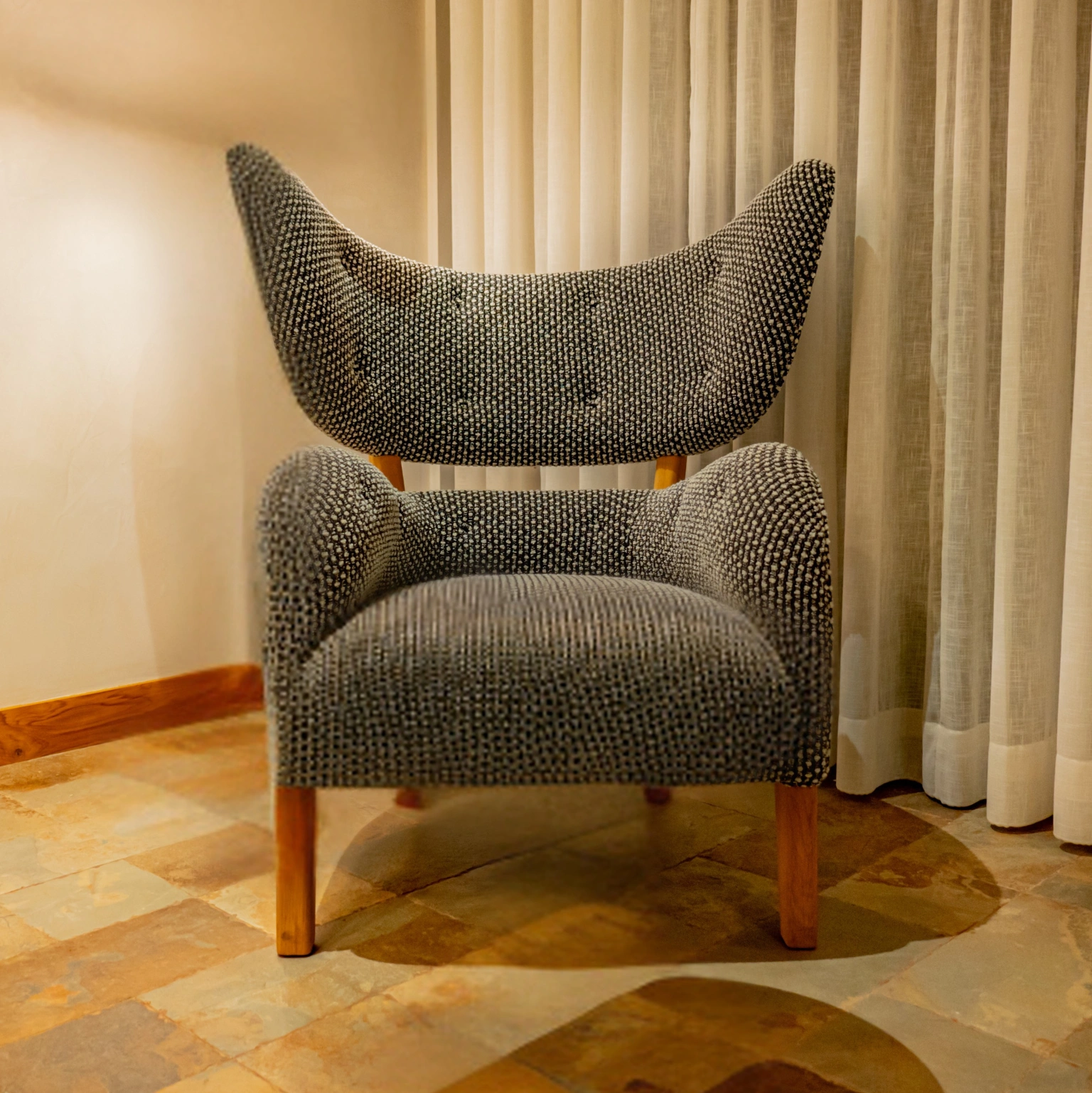
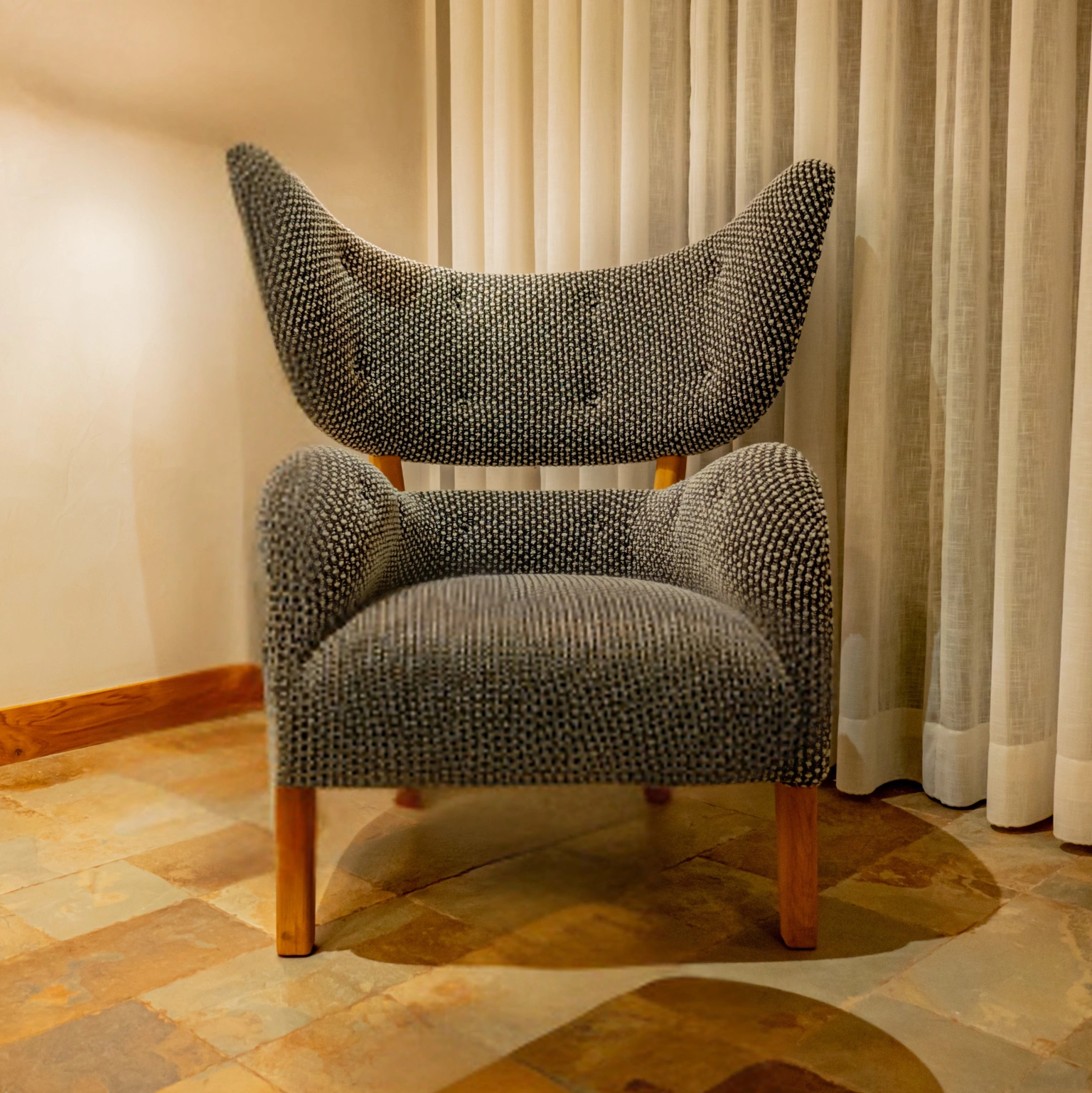
A private retreat designed for the designer himself, and later, for the world.
Flemming Lassen created My Own Chair in 1938 as a personal refuge, a seat that invited reflection, not display. With its rounded form and enveloping back, it turns structure into shelter. Upholstered in rich textiles or sheepskin, it became a modern archetype of comfort - a chair that feels less made, more found.
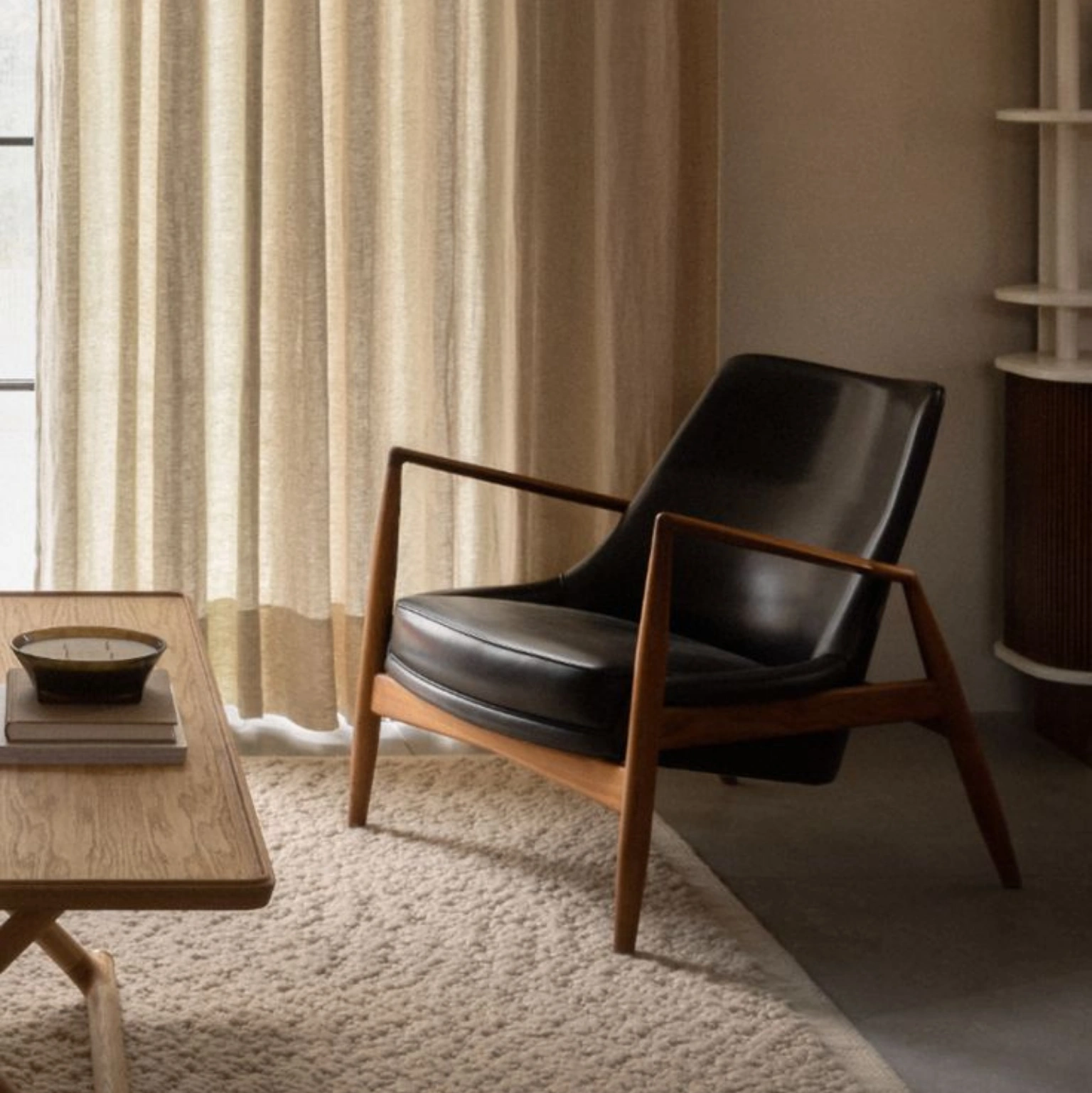
Light on its feet and sculptural in presence, the Seal Chair captures the effortless grace of 1950s Danish design.
Ib Kofod-Larsen’s Seal Chair combines strength with serenity. Its open teak or oak frame, curved arms, and angled stance create a posture that feels both grounded and fluid. Designed in the 1950s, it distilled the spirit of Nordic design - functional, sculptural and intrinsically human. To sit in it is to experience form as ease, and craftsmanship as conversation.
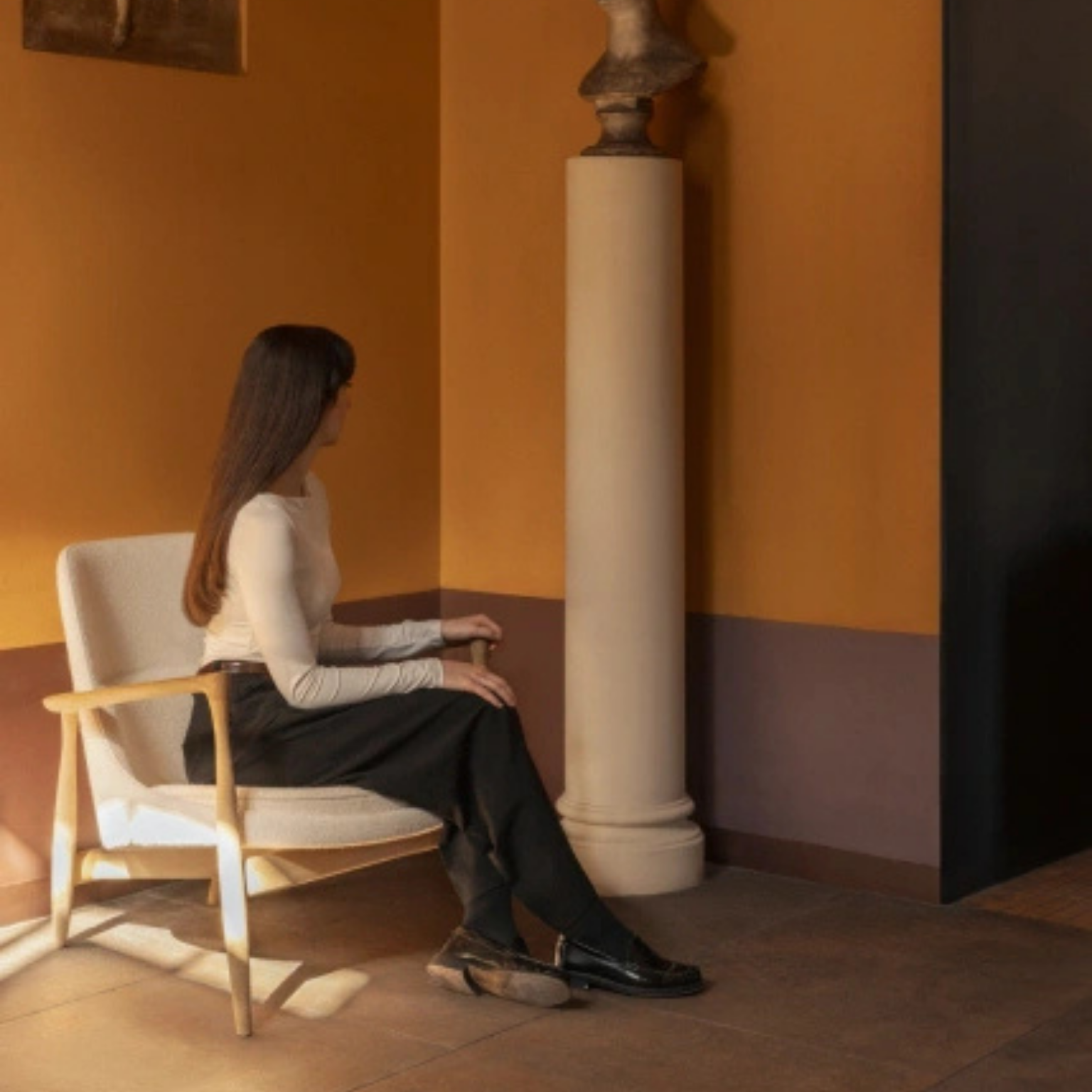
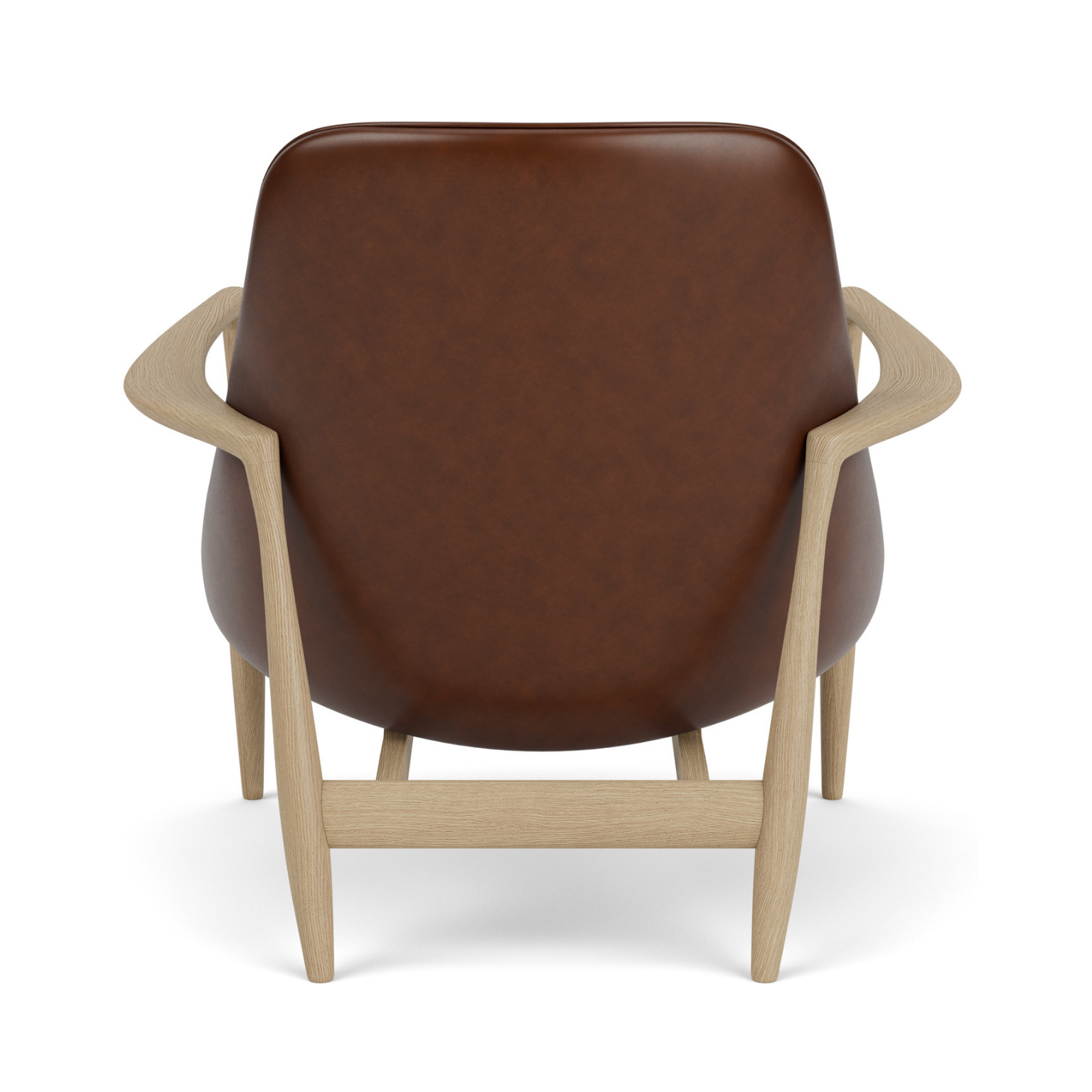
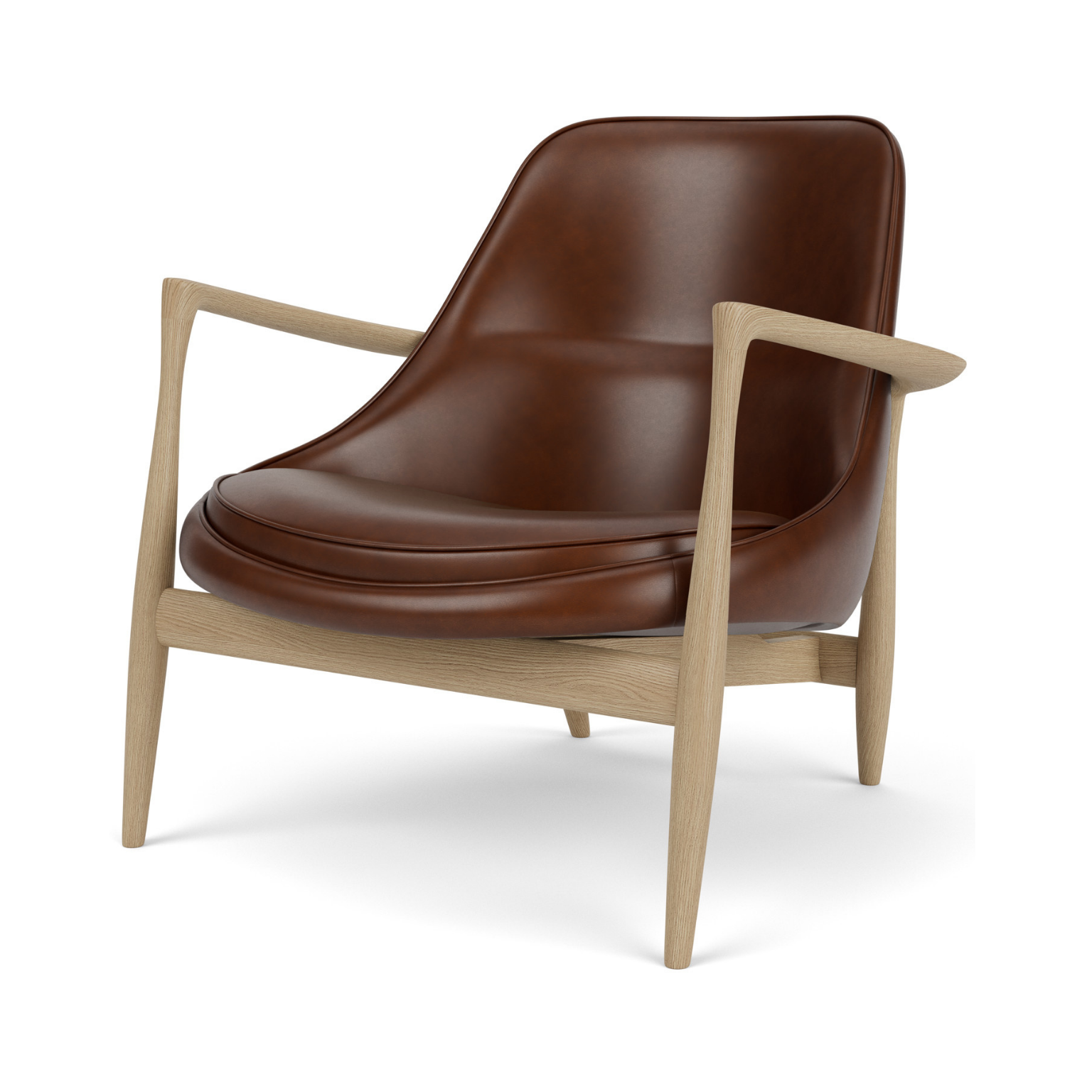
A chair fit for royalty - and named for it. Showcasing grace in line, strength in presence.
When Queen Elizabeth II purchased two on her visit to Copenhagen in 1956, Ib Kofod-Larsen’s Elizabeth Chair earned its name and its legend. Defined by sweeping armrests, a poised backrest, and generous proportions, it balances confidence with composure. Crafted in oak or walnut, it remains an emblem of refinement, with a design that speaks softly but stands tall.
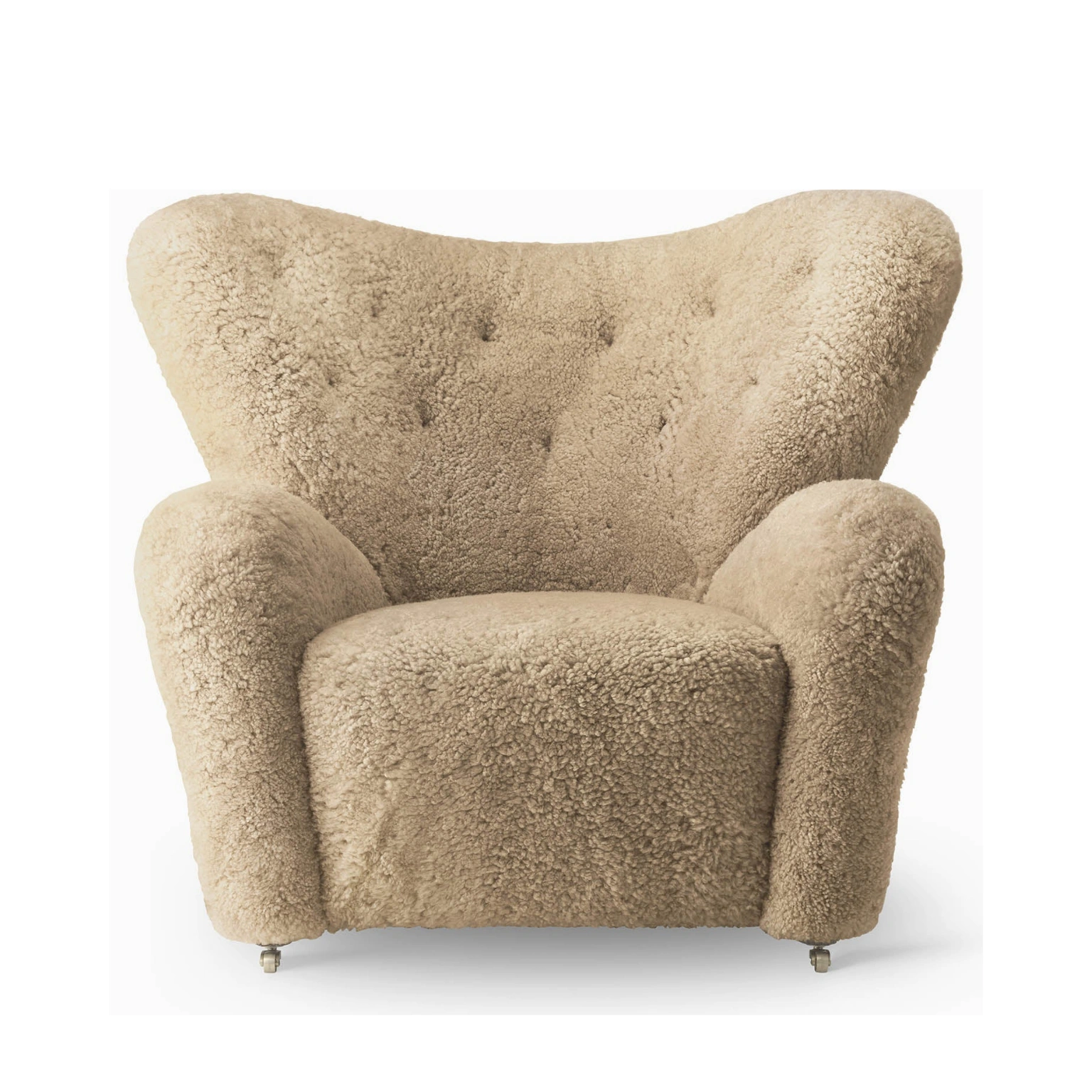
Generous, whimsical and instantly comforting - a chair that feels like being held.
When Flemming Lassen designed The Tired Man in 1935, he imagined a chair that felt like a warm embrace from a polar bear - enveloping, soft and impossible to leave. With its rounded arms, deep cushioning and gentle incline, it invites you to sink in and stay awhile. Upholstered in sheepskin or fabric and set on stout wooden legs, it carries mood and tenderness, capturing the human warmth at the heart of Nordic modernism.
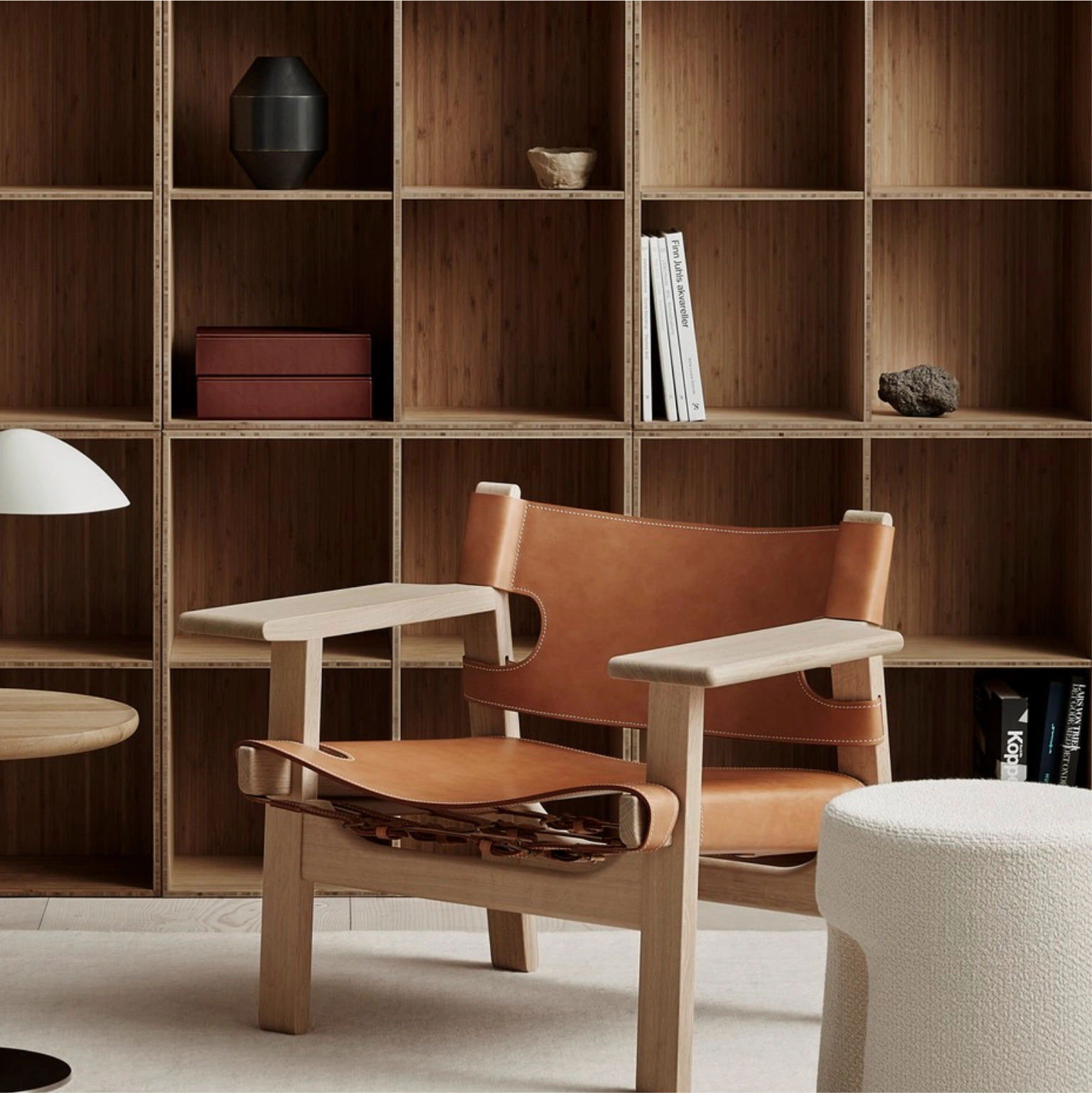
A symbol of functional luxury, the Spanish Chair by Børge Mogensen combines sculptural presence with lived-in ease.
Designed in 1958, the Spanish Chair draws inspiration from traditional Spanish furniture and Mogensen’s love for honest materials. Its solid oak frame and thick, vegetable-tanned saddle leather create a chair that is both strong and generous. The broad armrests double as resting ledges for a book or glass, while the leather develops a rich patina over time, turning each piece into a reflection of its owner’s life. It remains one of Danish design’s most recognisable icons.
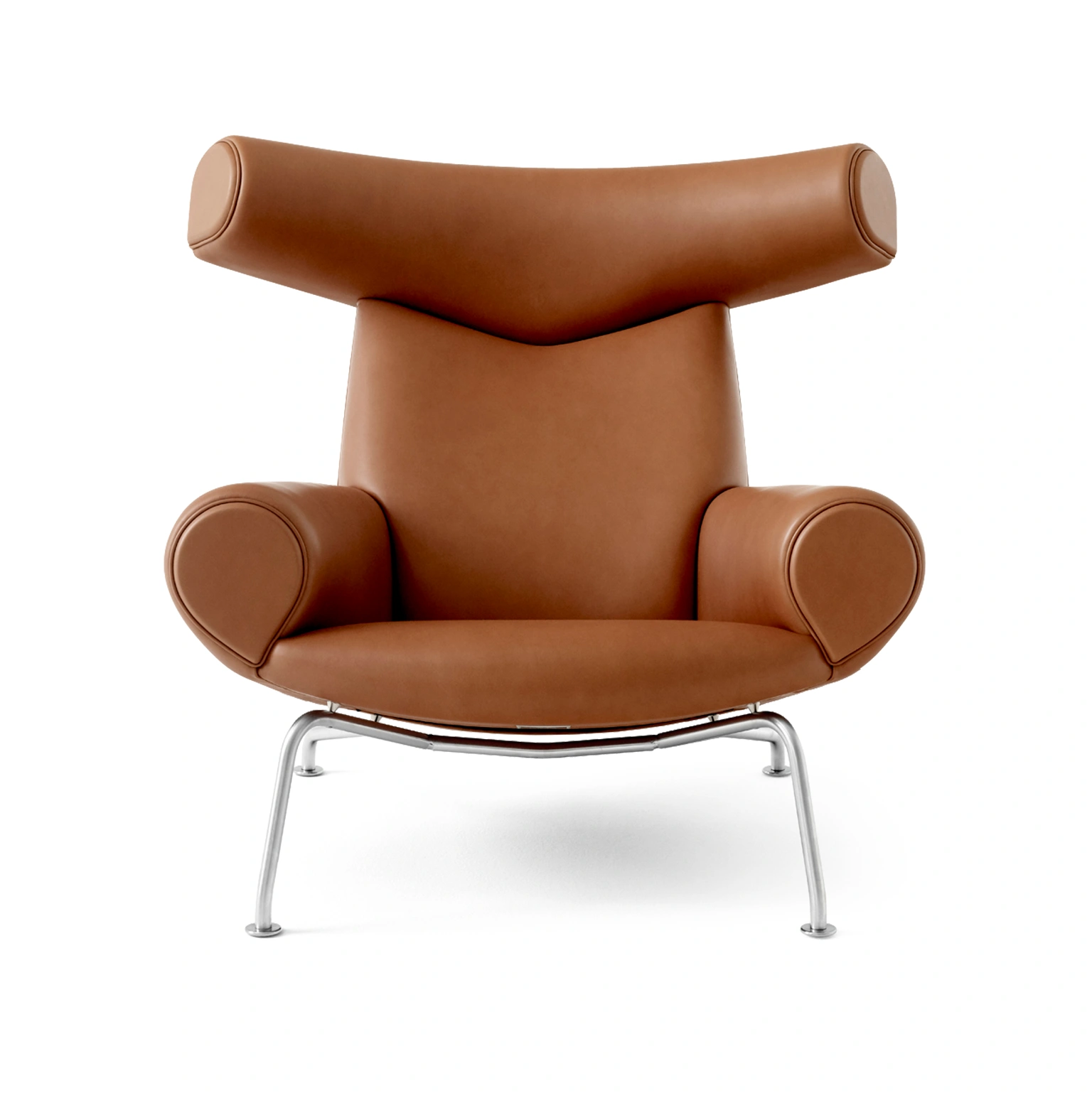
A bold experiment in form, Hans J. Wegner’s OX Chair remains one of modern design’s most commanding silhouettes.
Unveiled in 1960, the OX Chair was Wegner’s rebellion against restraint - a sculptural, horned statement that balanced power with playfulness. Initially dismissed as too unconventional, it found new acclaim decades later for its audacity and precision. Each chair is handcrafted to achieve its distinctive curve and stance, combining a muscular steel frame with upholstery that demands both precision and strength. Equal parts comfort and character, the OX Chair continues to embody Wegner’s belief that good design should surprise as much as it serves.
Designed in 1949, Hans J. Wegner’s Wishbone Chair unites sculptural form with human comfort - a perfect meeting of craft and clarity.
A symbol of Danish modern design, the CH24 combines the back and armrest in one continuous curve that forms its signature Y-shaped support. Each chair is handcrafted through more than 100 precise steps - from shaping and sanding the frame to weaving a seat from 120 meters of paper cord, a process that alone takes a skilled hand about an hour to complete. The result is strength disguised as lightness: a chair that’s as comfortable as it is iconic, celebrated for over seven decades as Wegner’s purest expression of function in form.
Steel, rope and sheepskin - an unlikely trio turned into one of Wegner’s boldest experiments in comfort.
Born from a summer afternoon by the sea, the Flag Halyard Chair is Hans J. Wegner’s rebellion against convention. A stainless-steel frame holds hundreds of meters of hand-tied flag line, tensioned with the precision of ship rigging. Draped in long-haired sheepskin, it turns industrial material into invitation. Sculptural yet humane, this chair proves that Nordic modernism could be both raw and refined.