A contemporary design brand rooted in Danish heritage, Audo Copenhagen offers furniture, lighting, and accessories to create beautiful, holistic spaces. Their “Soft Minimalism” aesthetic reflects a century of craftsmanship with a modern, global outlook, creating designs that are effortlessly timeless and purposeful.
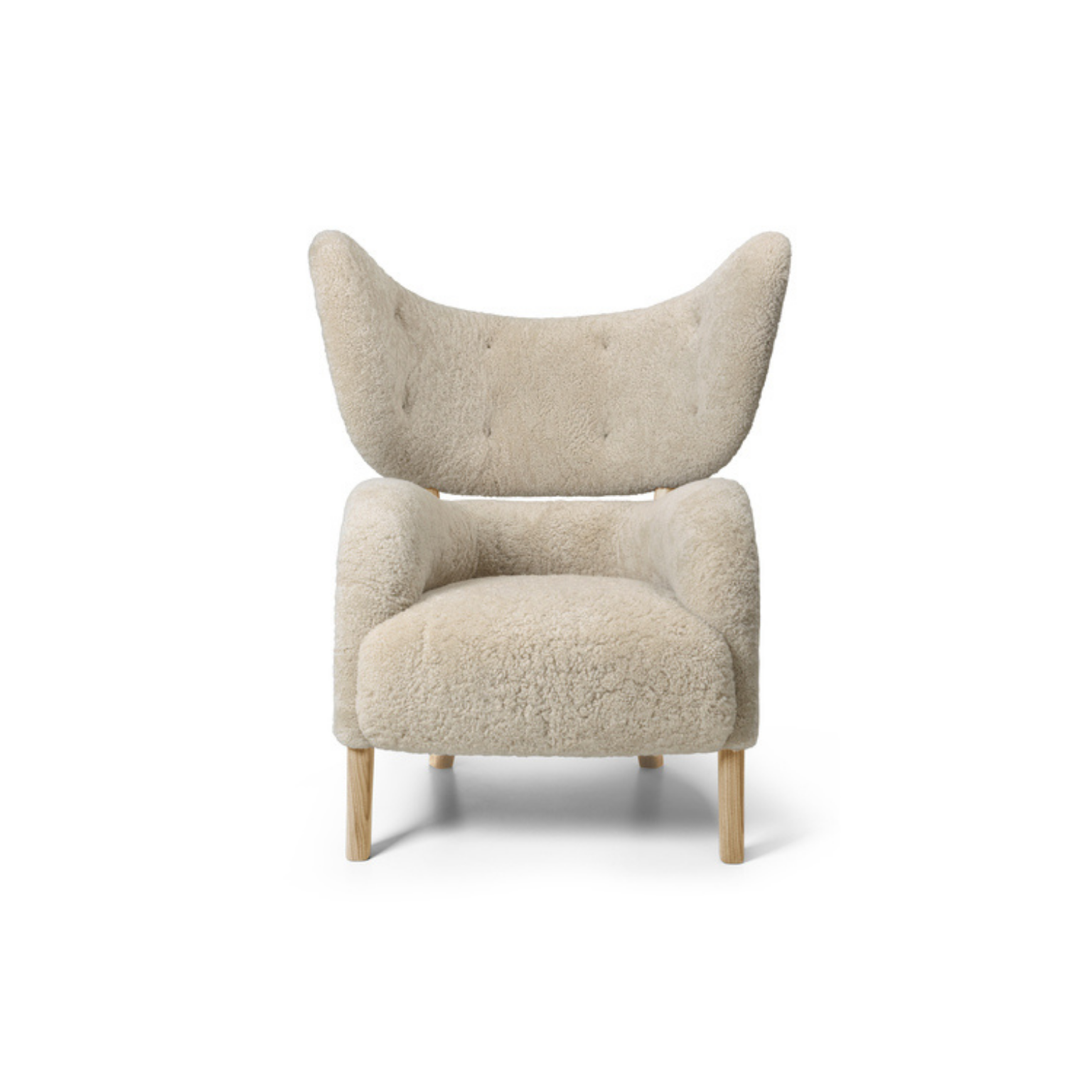
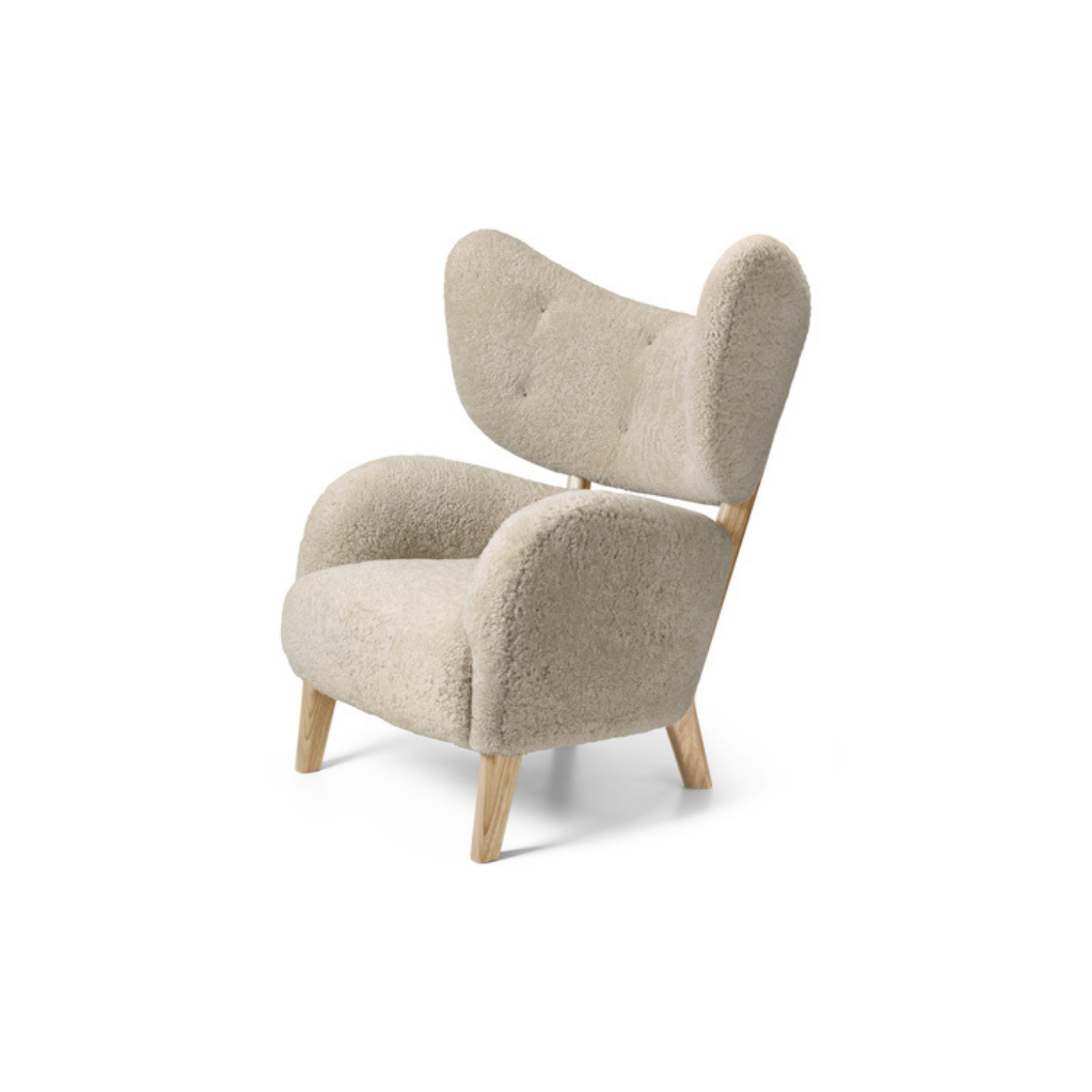
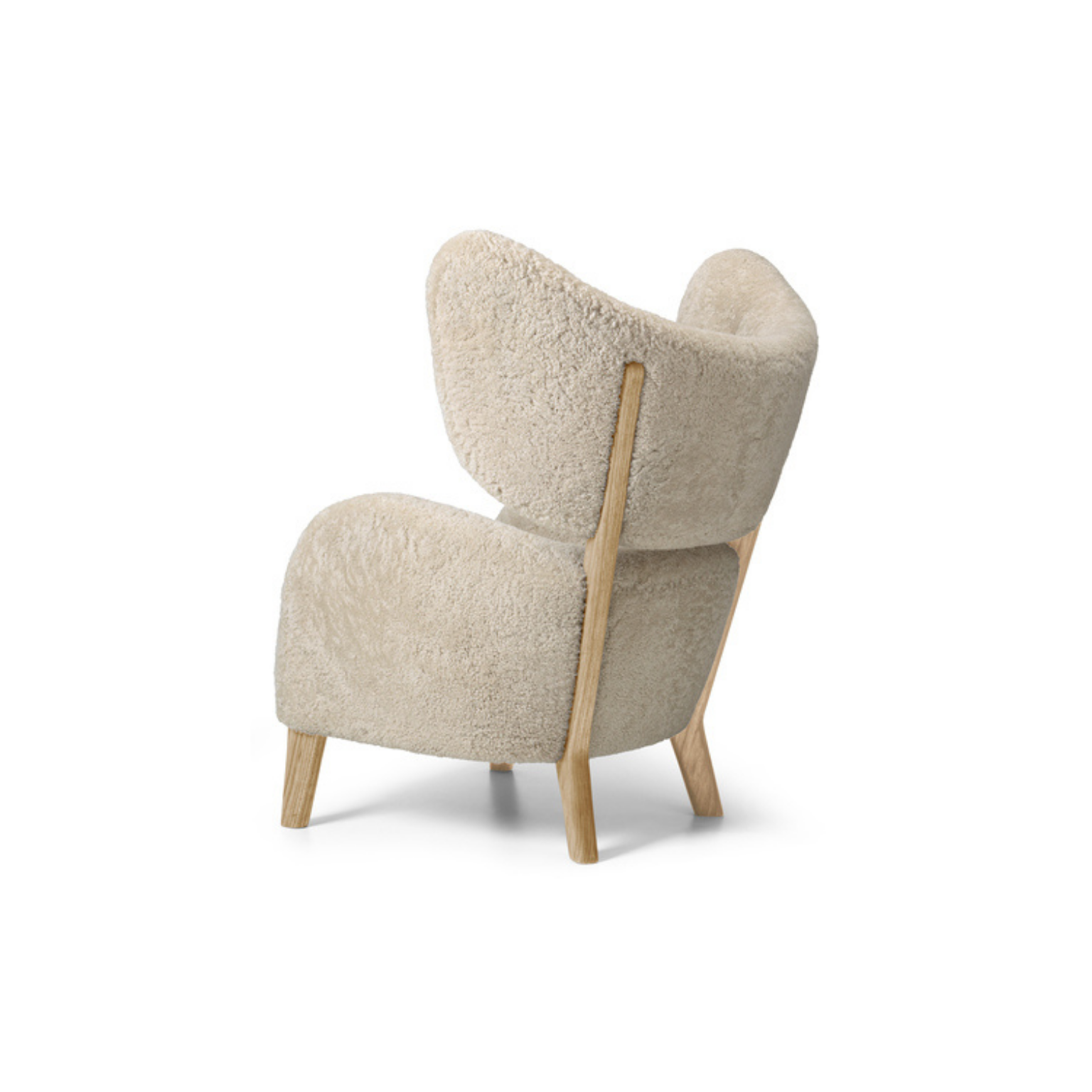
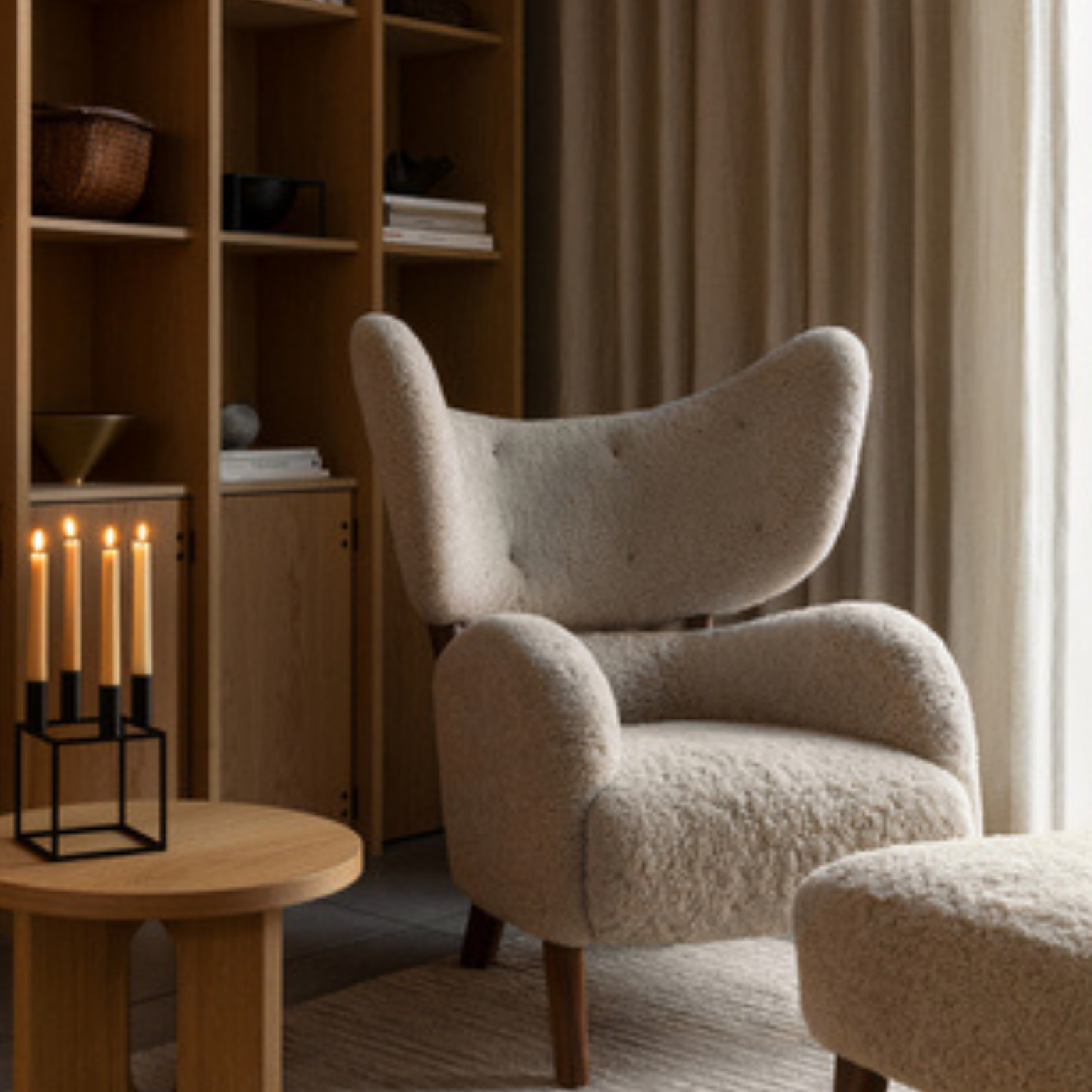
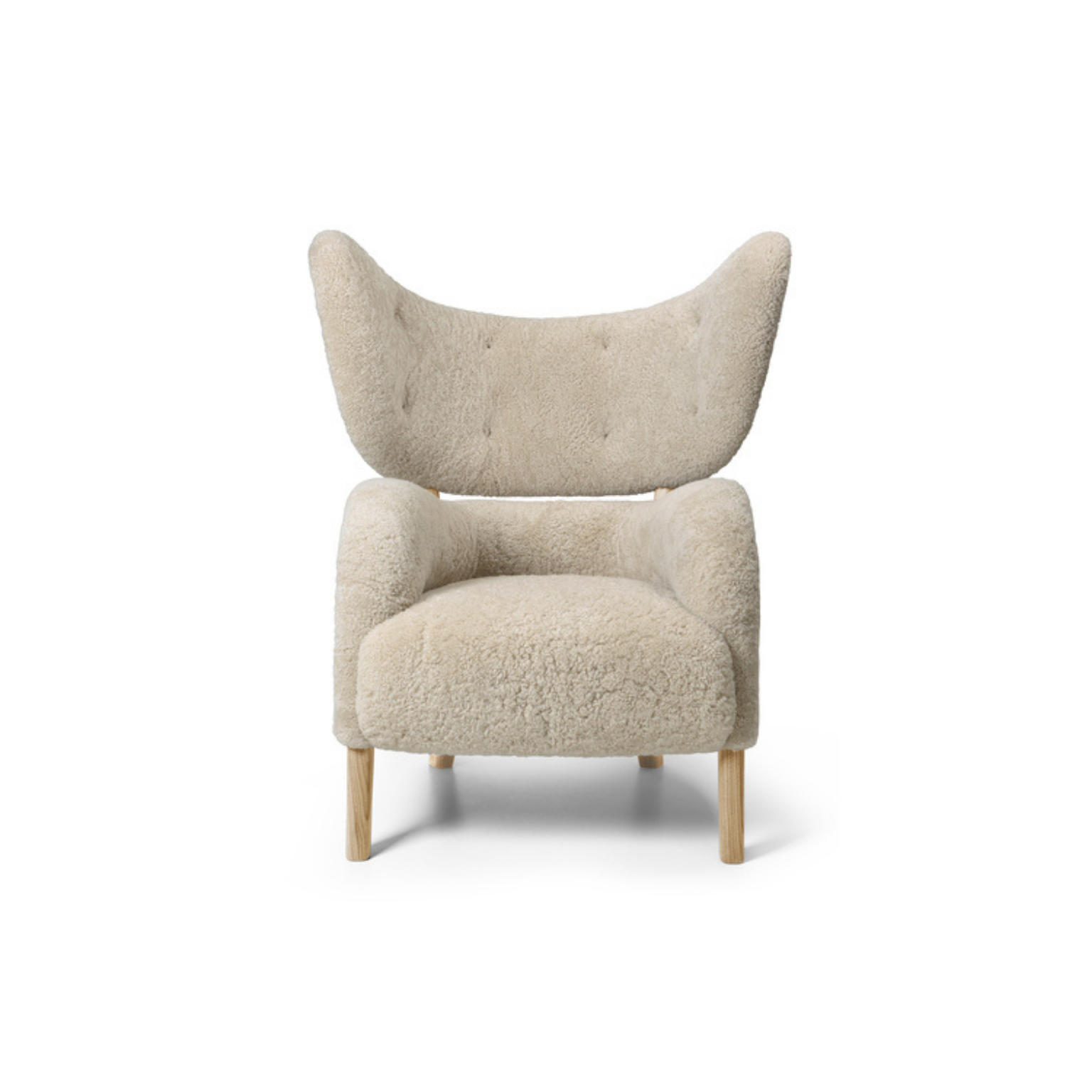
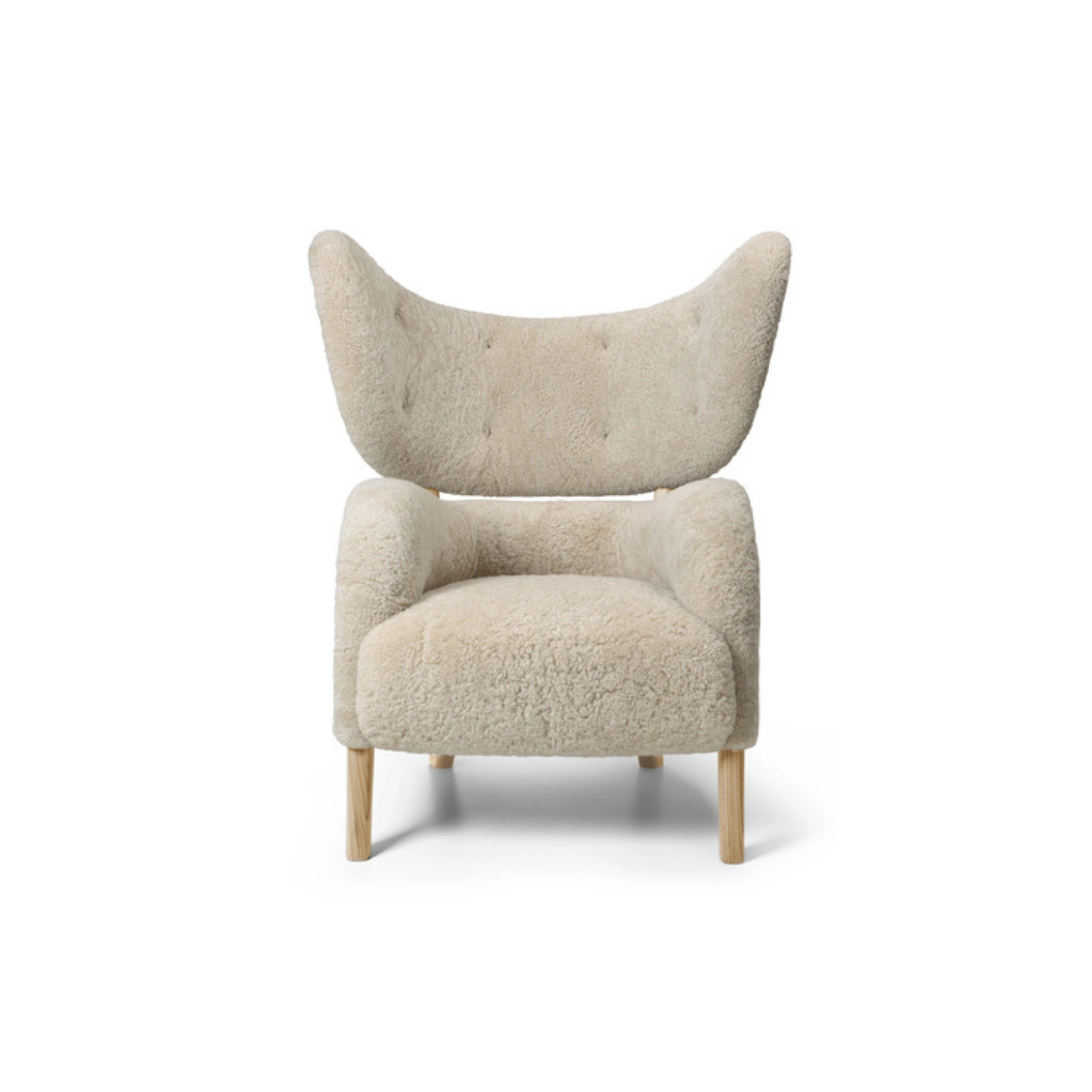
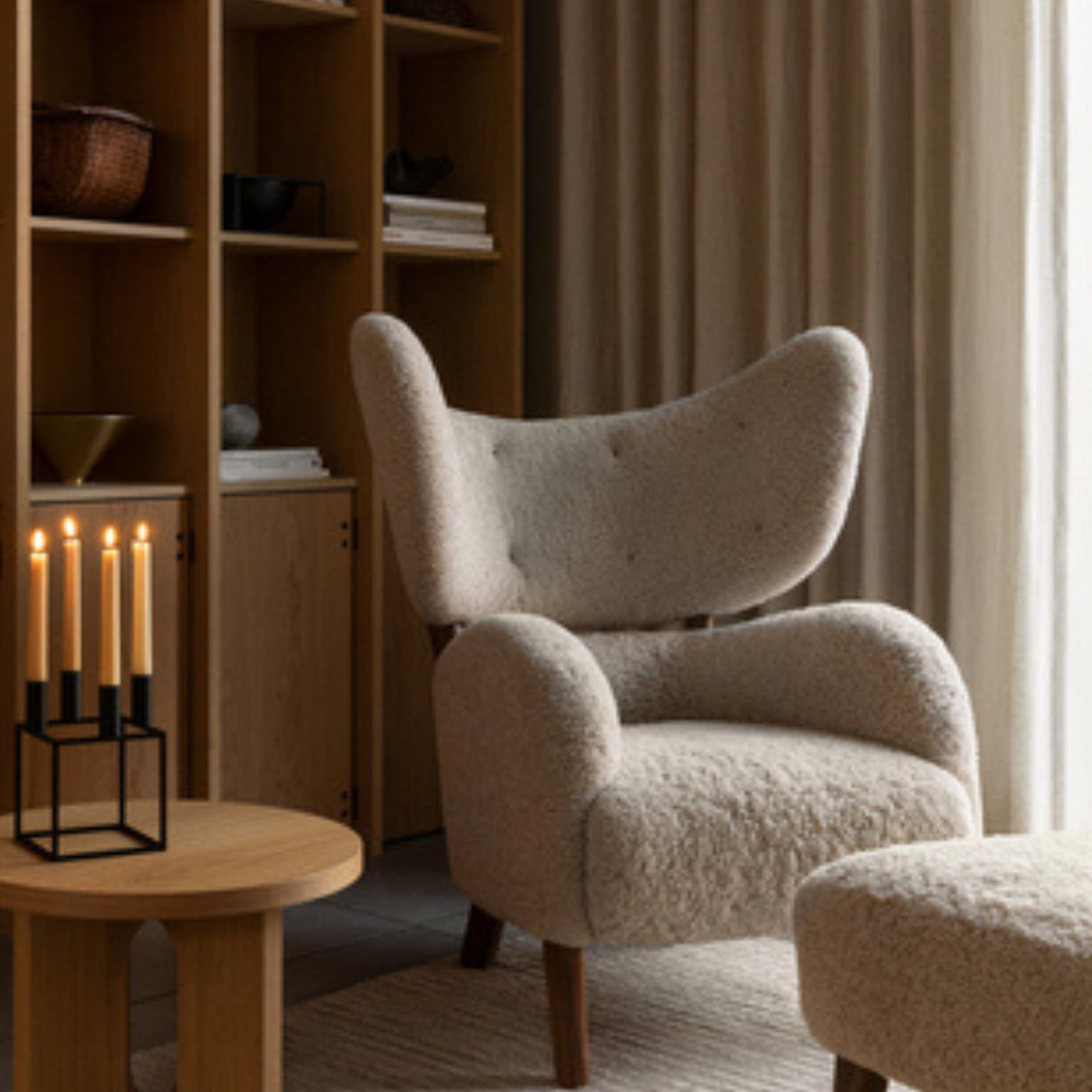
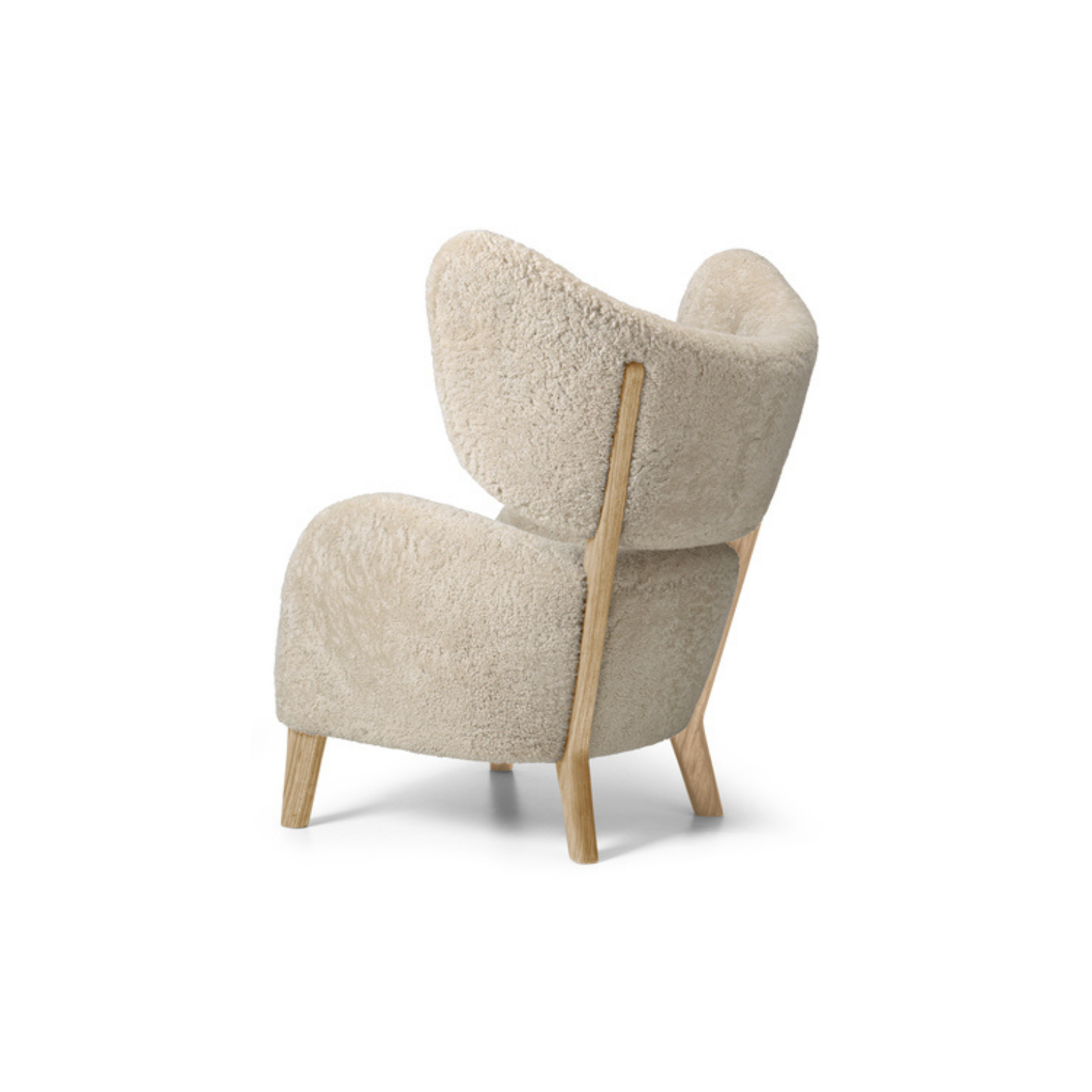
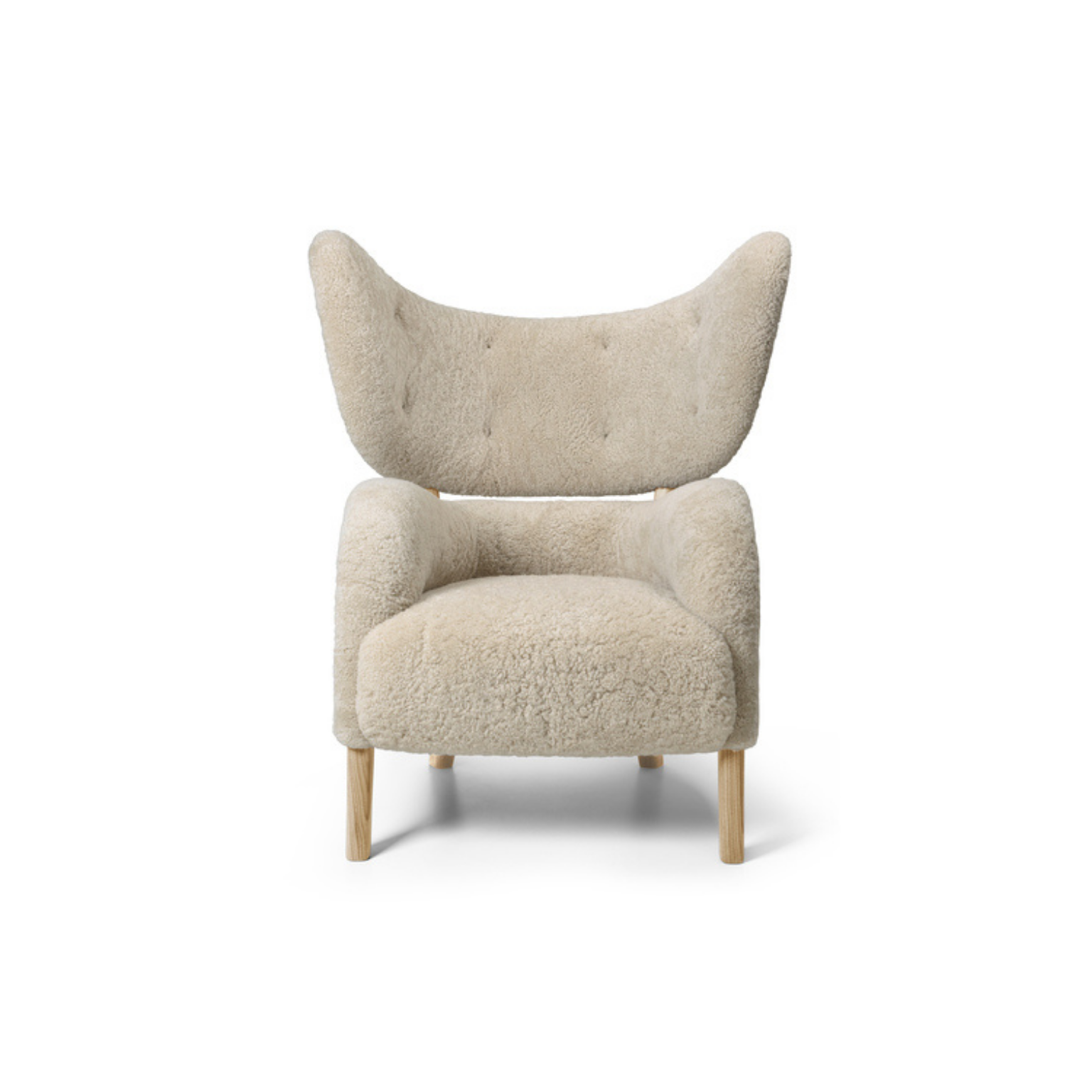
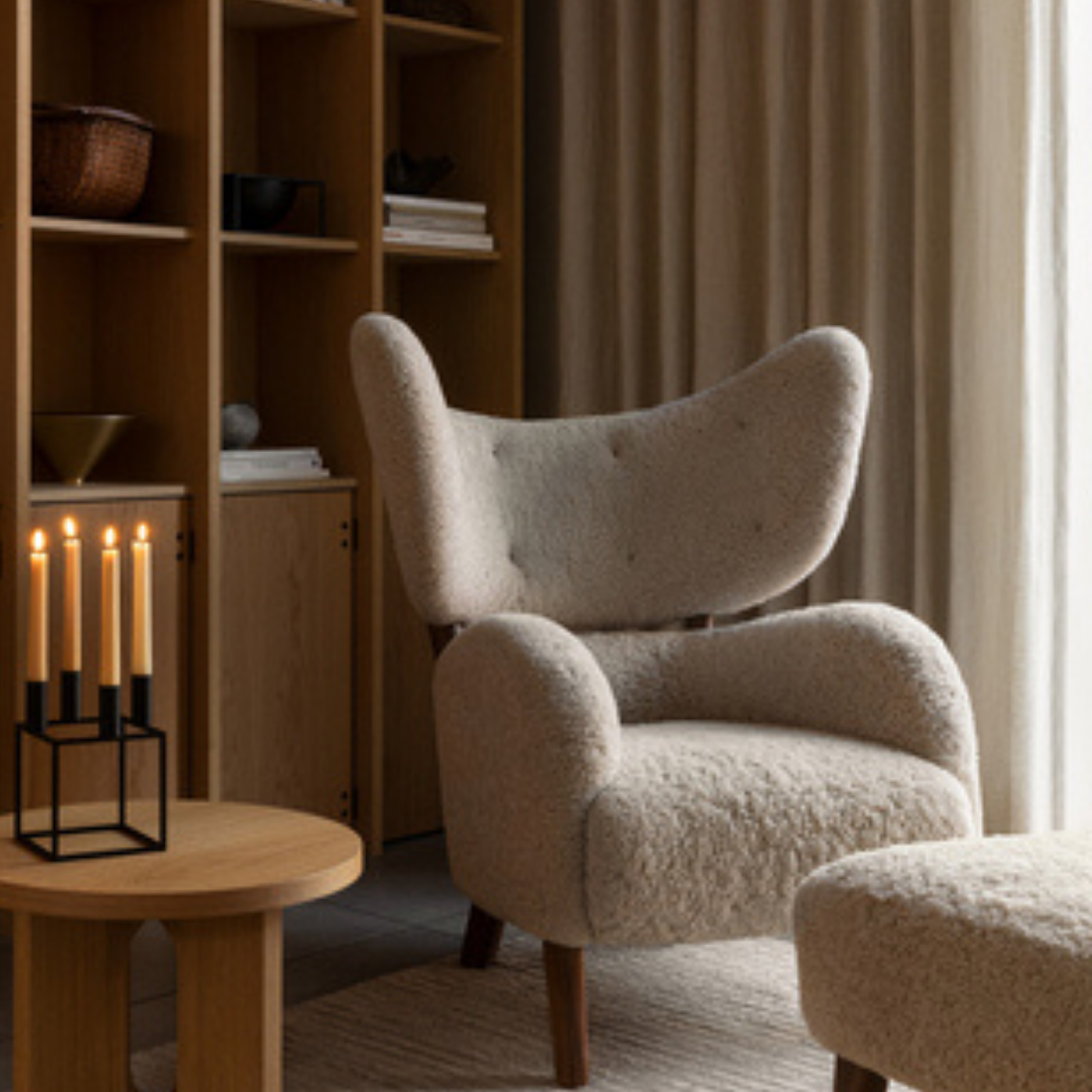
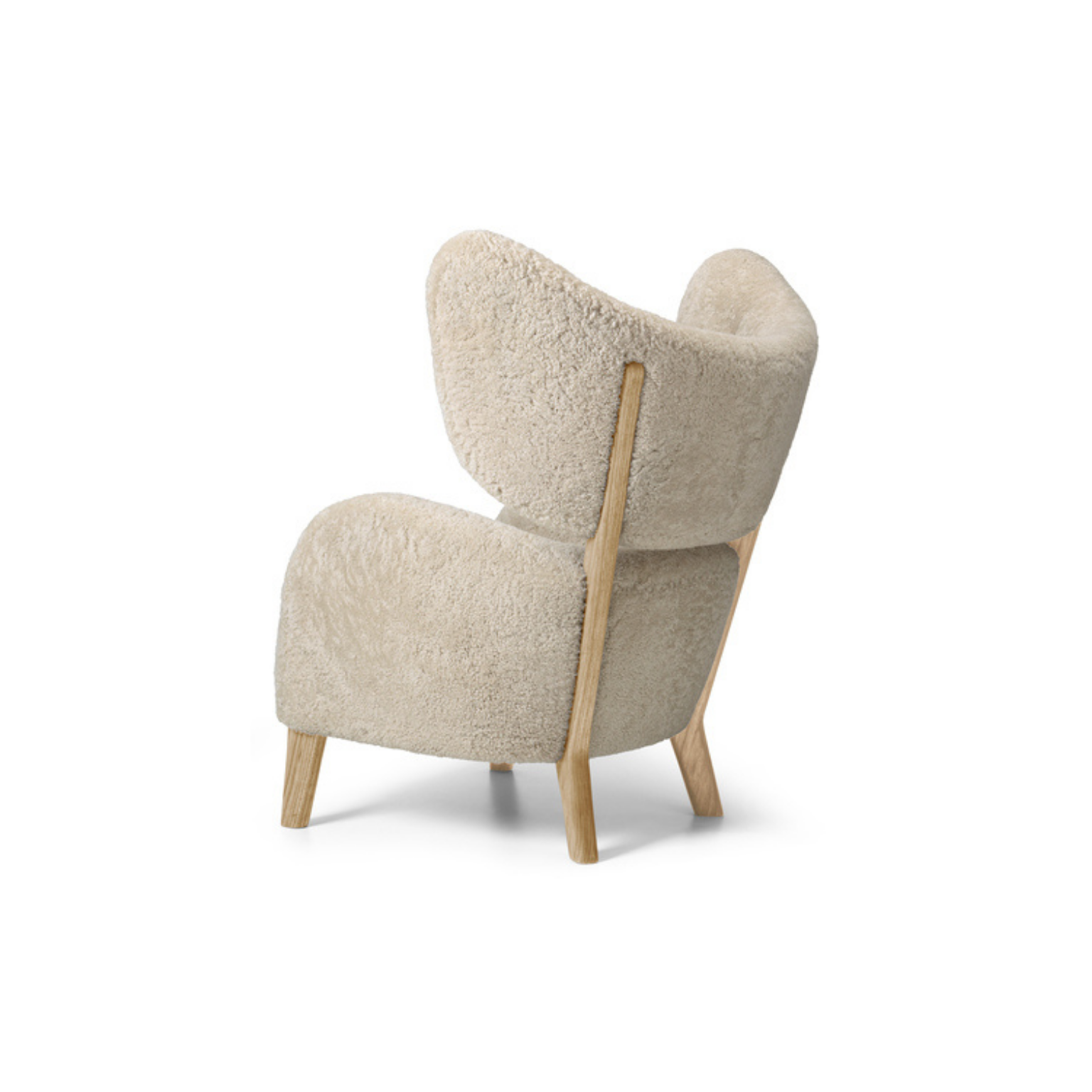
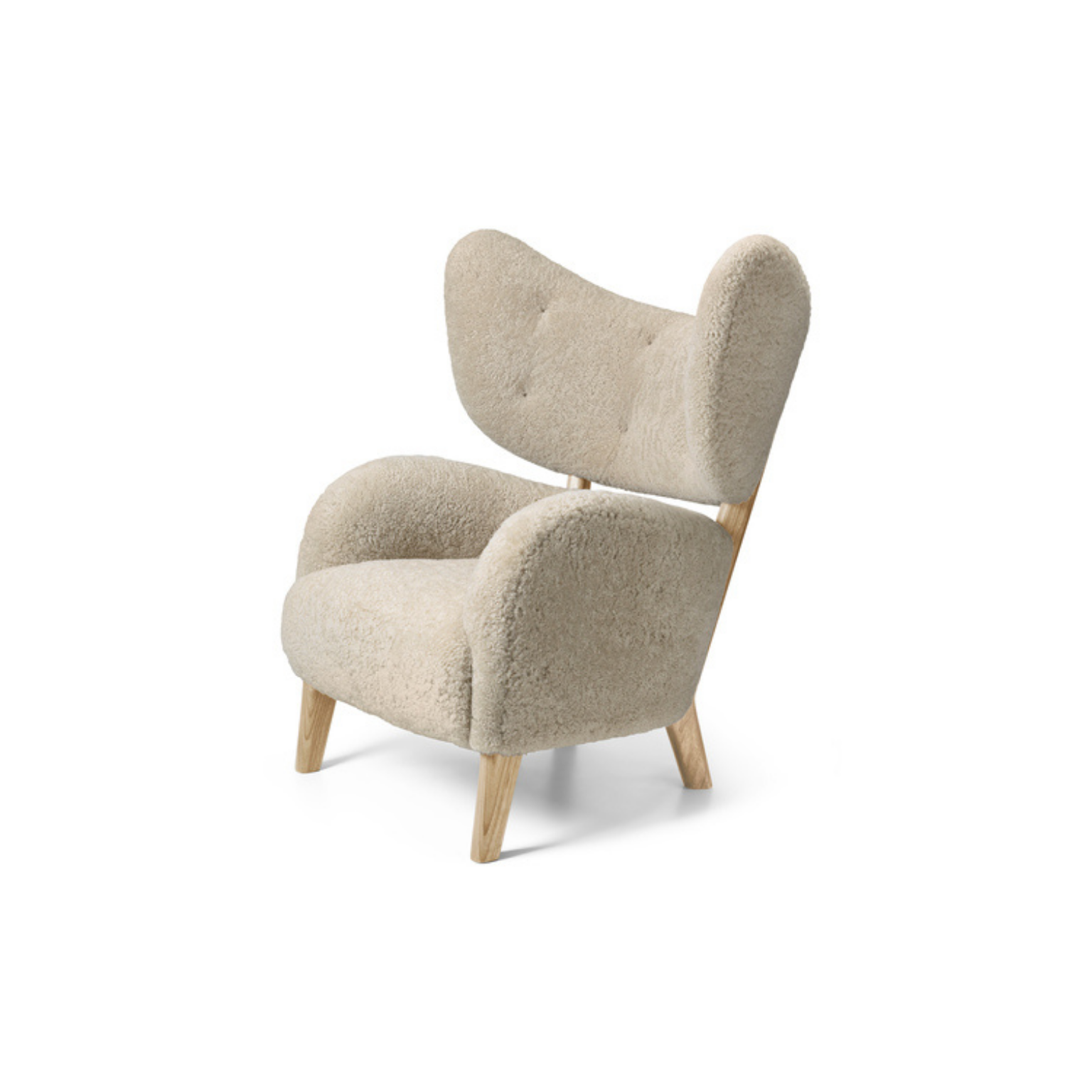
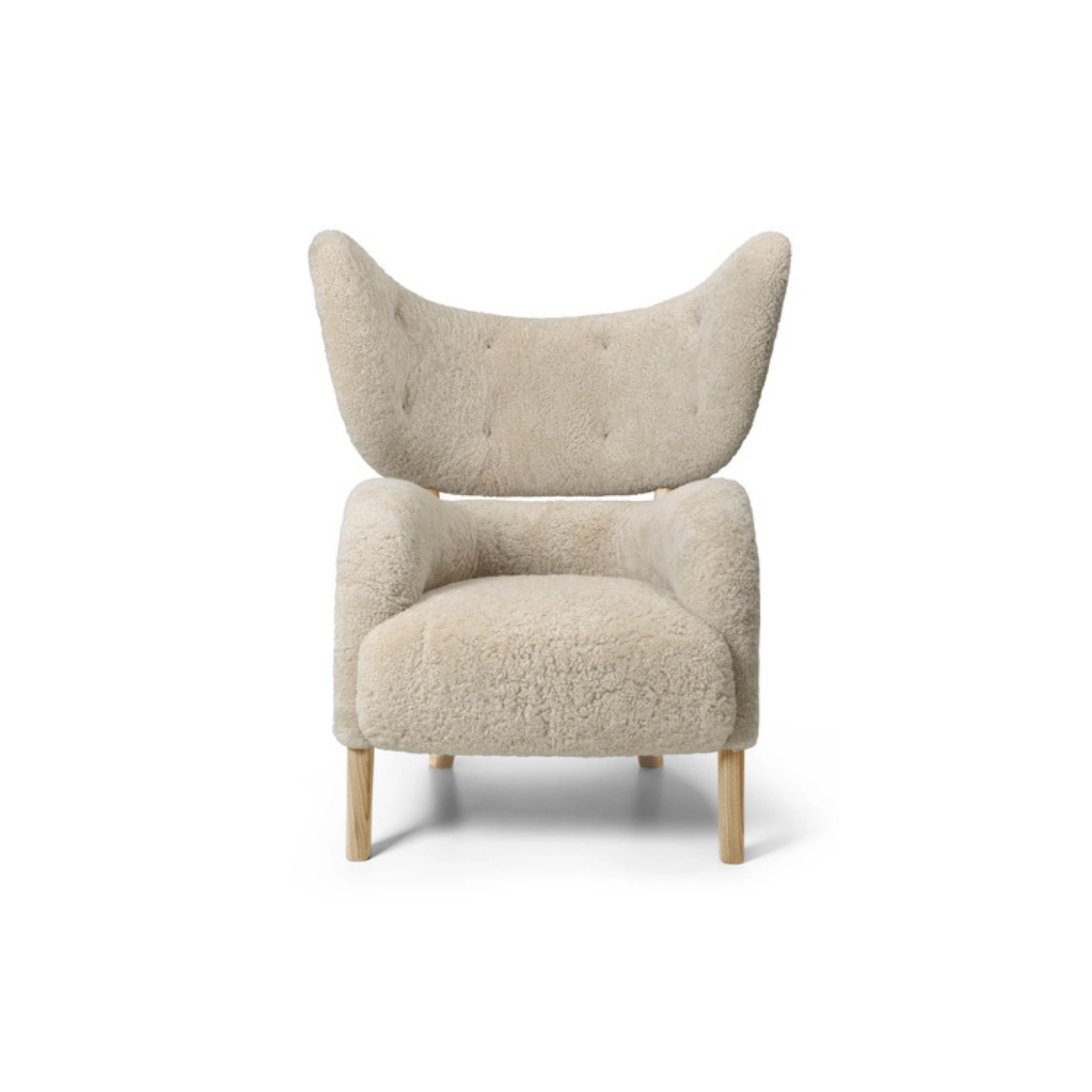
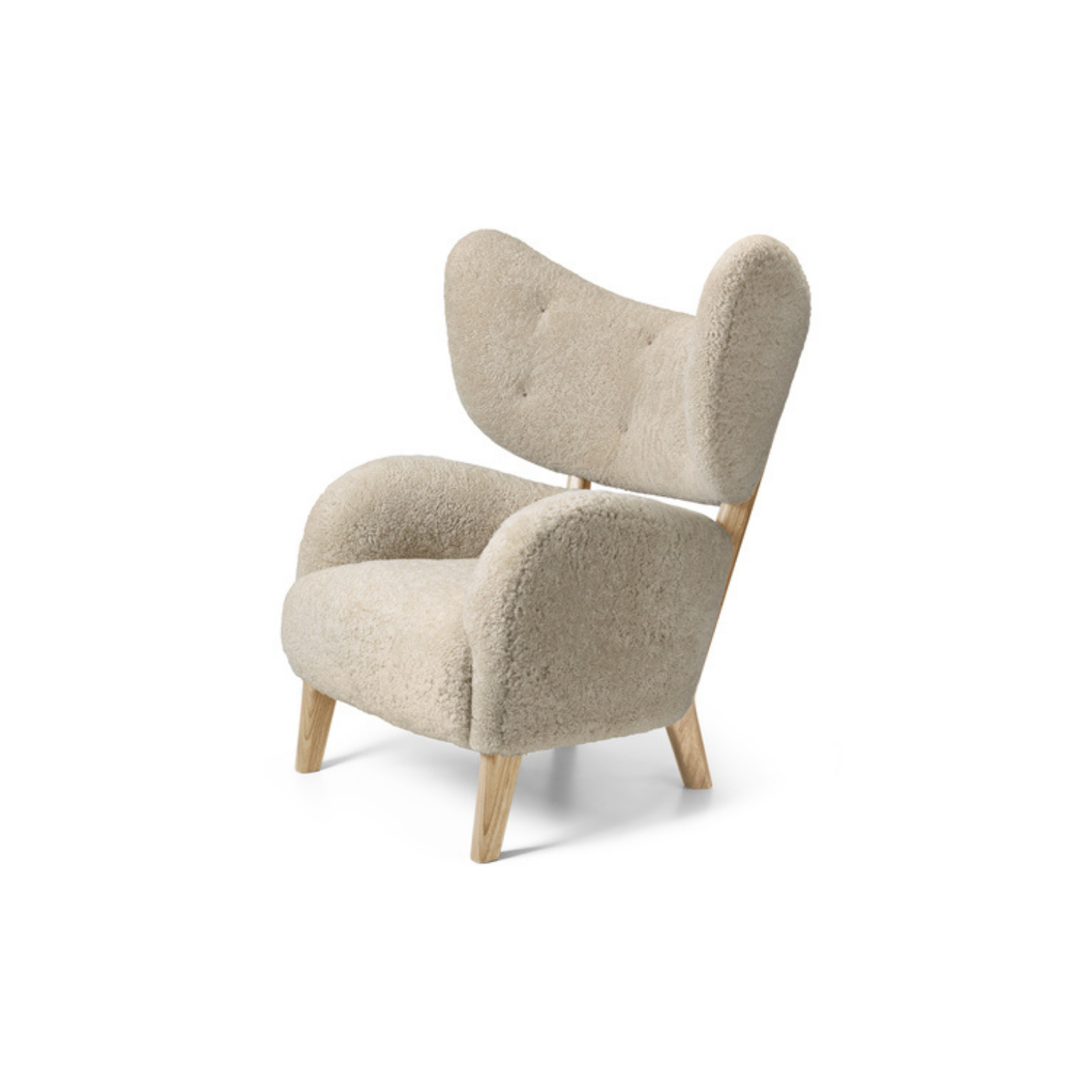
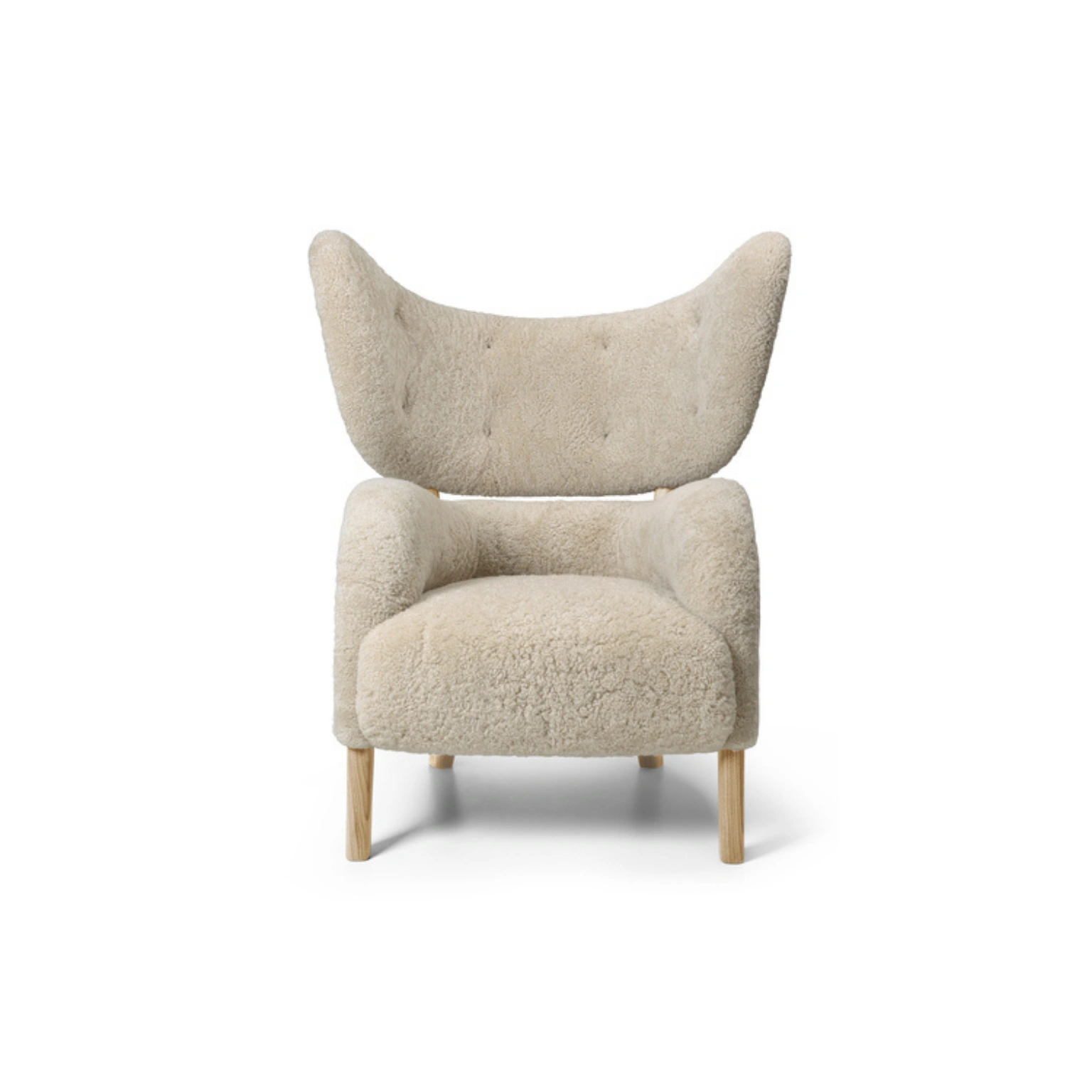
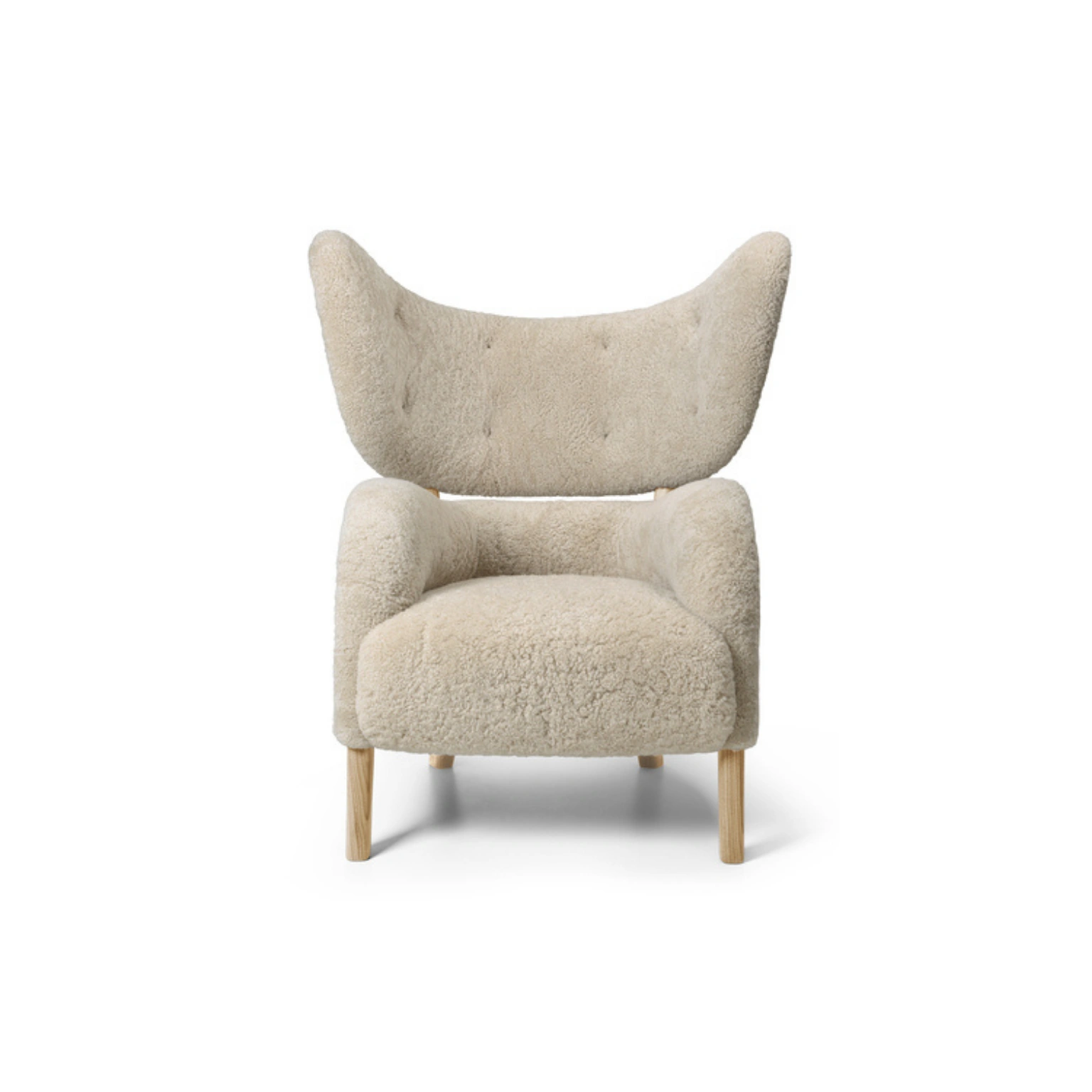
Designed in 1938 by Flemming Lassen, My Own Chair reflects the designer’s search for intimacy, comfort, and sculptural softness. With its rounded, enveloping form, the chair feels almost like a protective embrace, making it a true retreat within the home.
Originally created as a personal piece for Lassen’s own use, the chair was later put into production, quickly gaining recognition for its organic silhouette and plush comfort. Upholstered in rich textiles or sheepskin, it invites relaxation while standing as a poetic expression of Scandinavian modernism.
The Seal Chair, also designed by Ib Kofod-Larsen in the 1950s, is a mid-century classic celebrated for its lightness and elegance. Defined by a sculptural teak or oak frame and low-slung proportions, the chair conveys openness while maintaining ergonomic comfort.
Its refined details – the gently curved armrests, angled legs, and upholstered seat and back demonstrate Kofod-Larsen’s mastery of form. Named for its graceful, almost fluid stance, the Seal Chair embodies the effortless sophistication of Danish modern design.
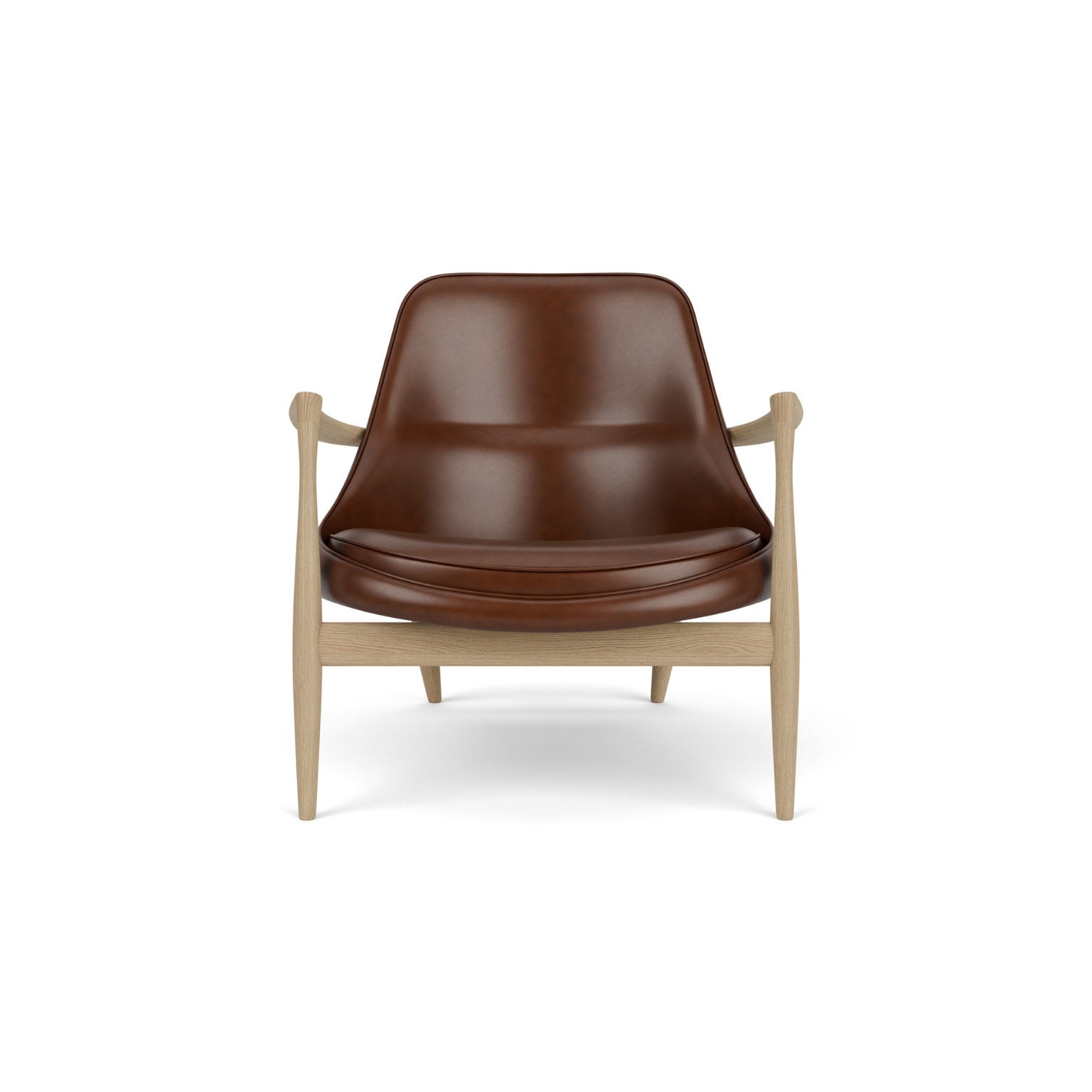
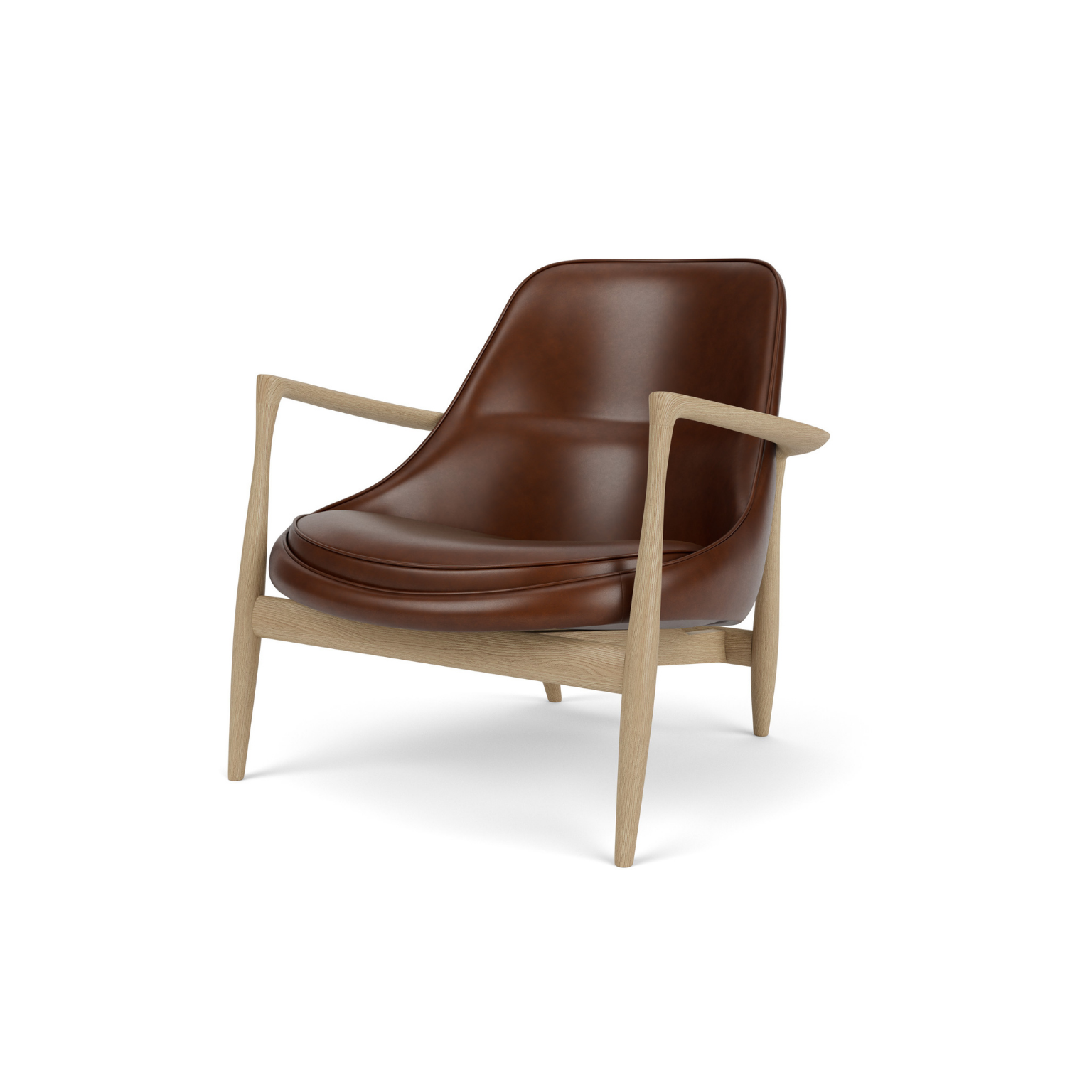
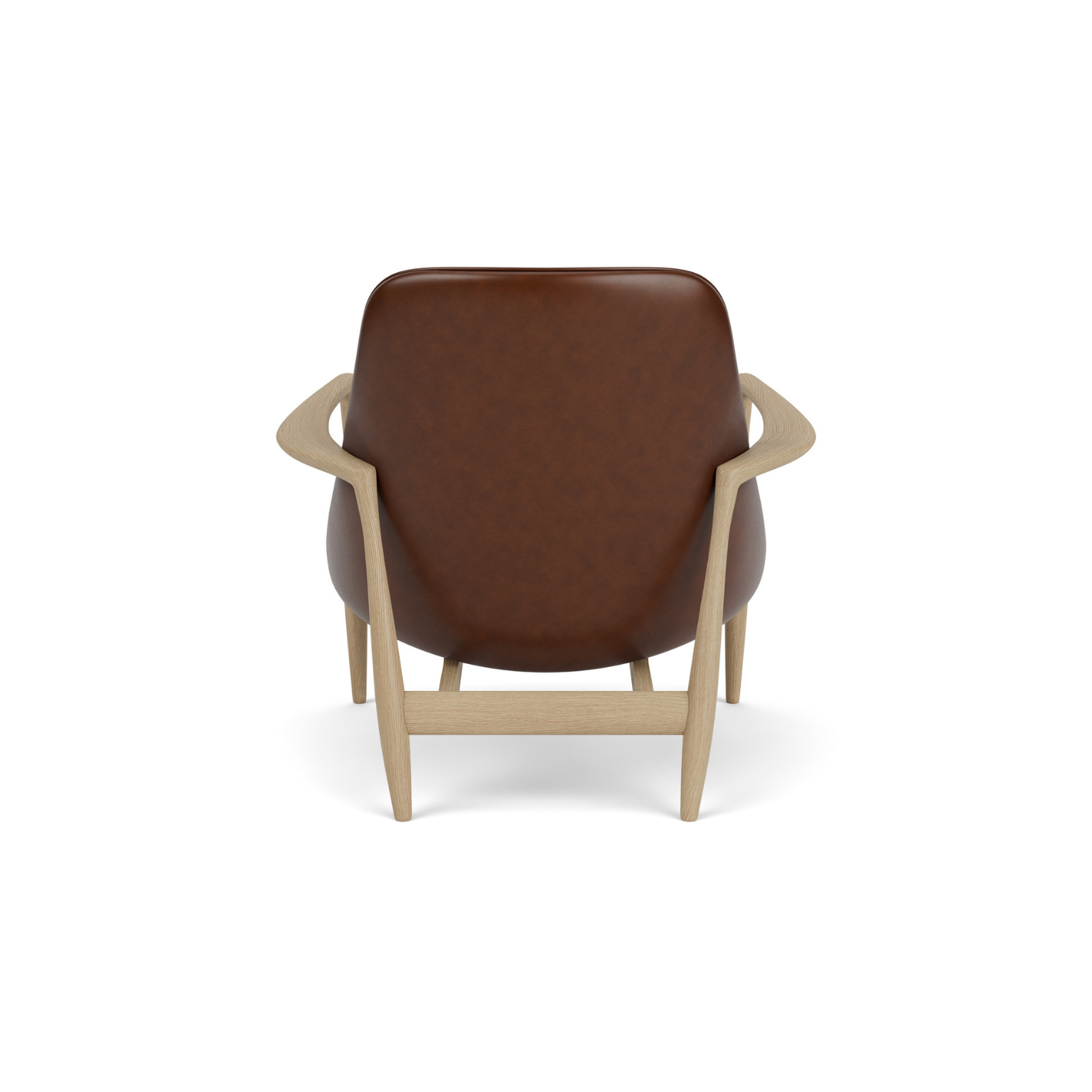
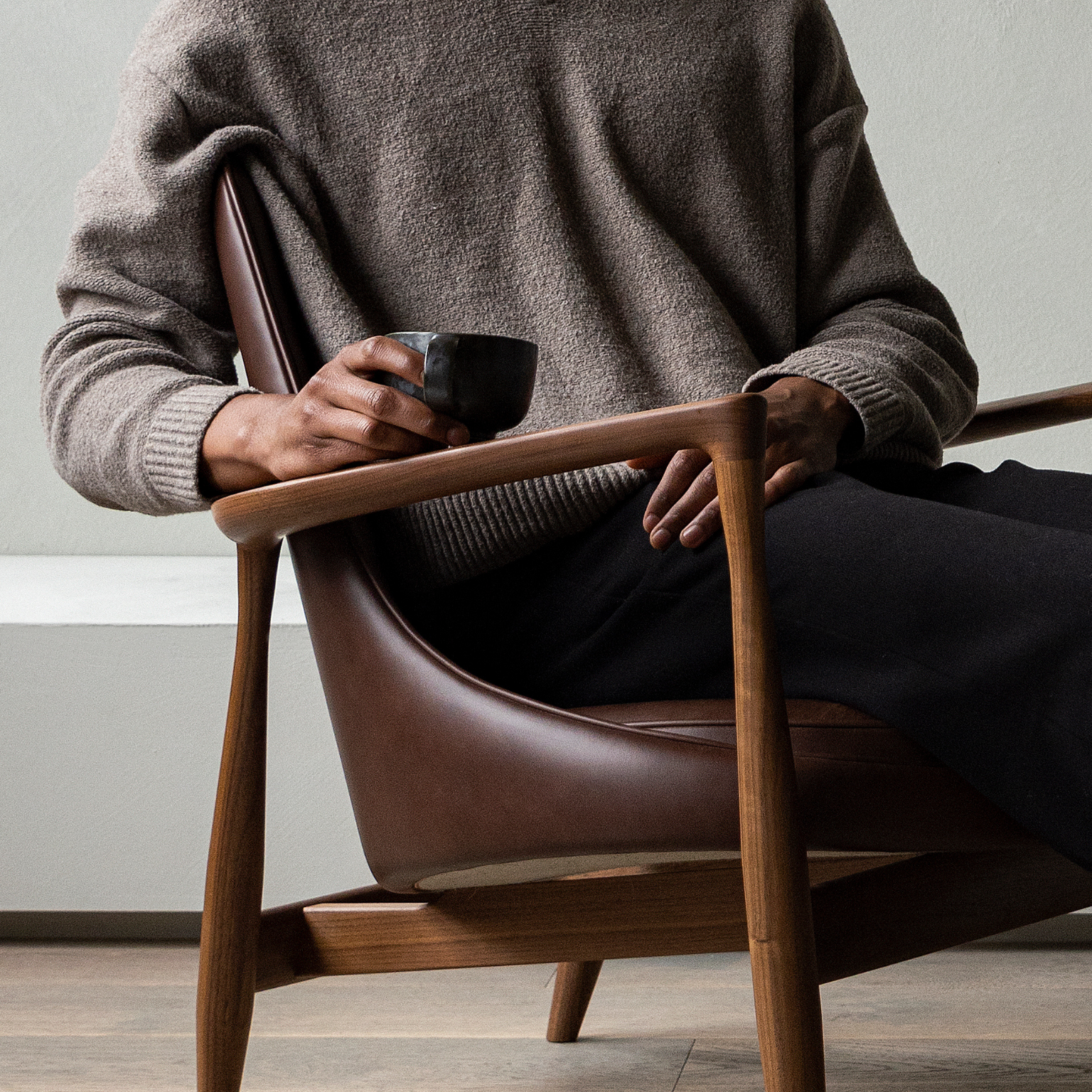
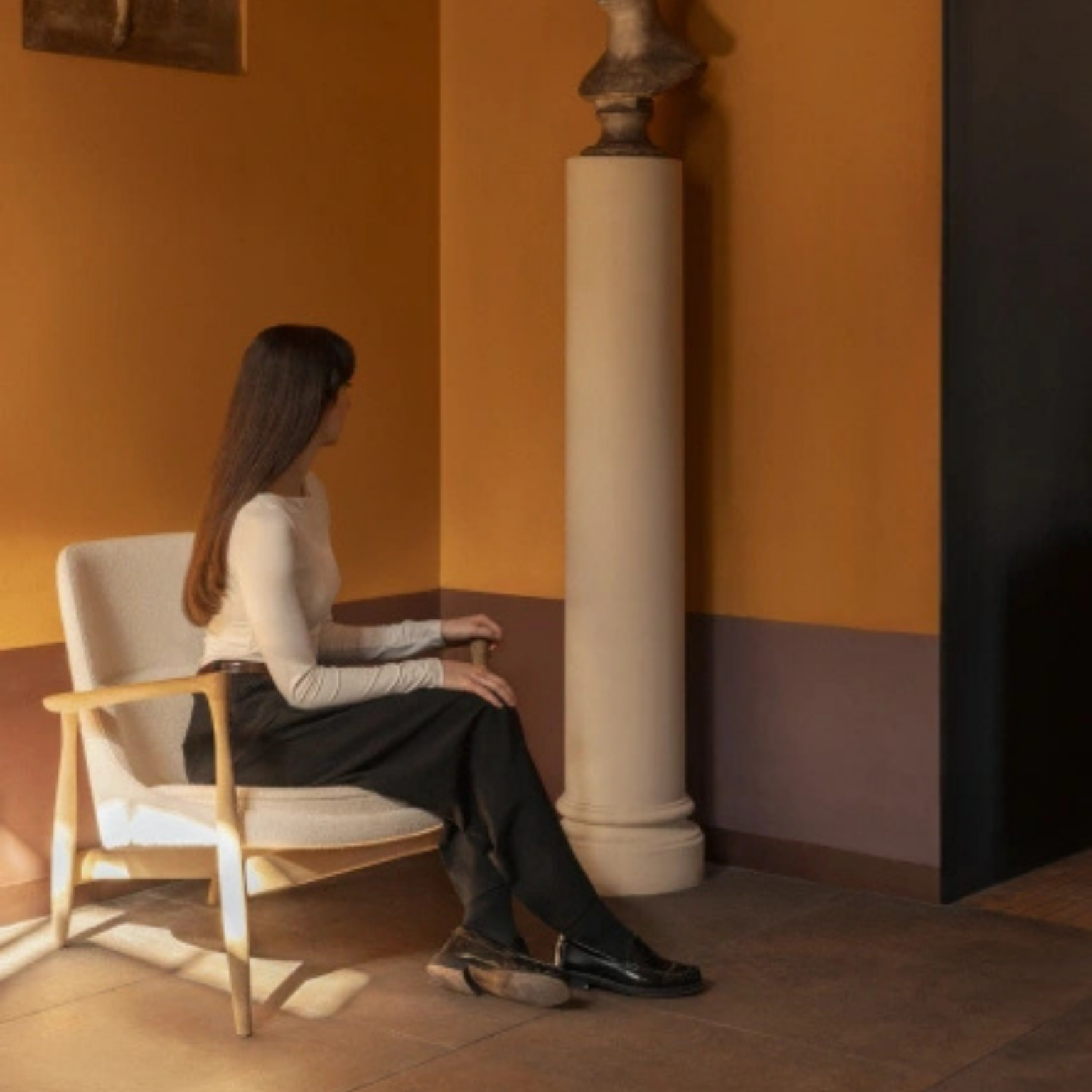
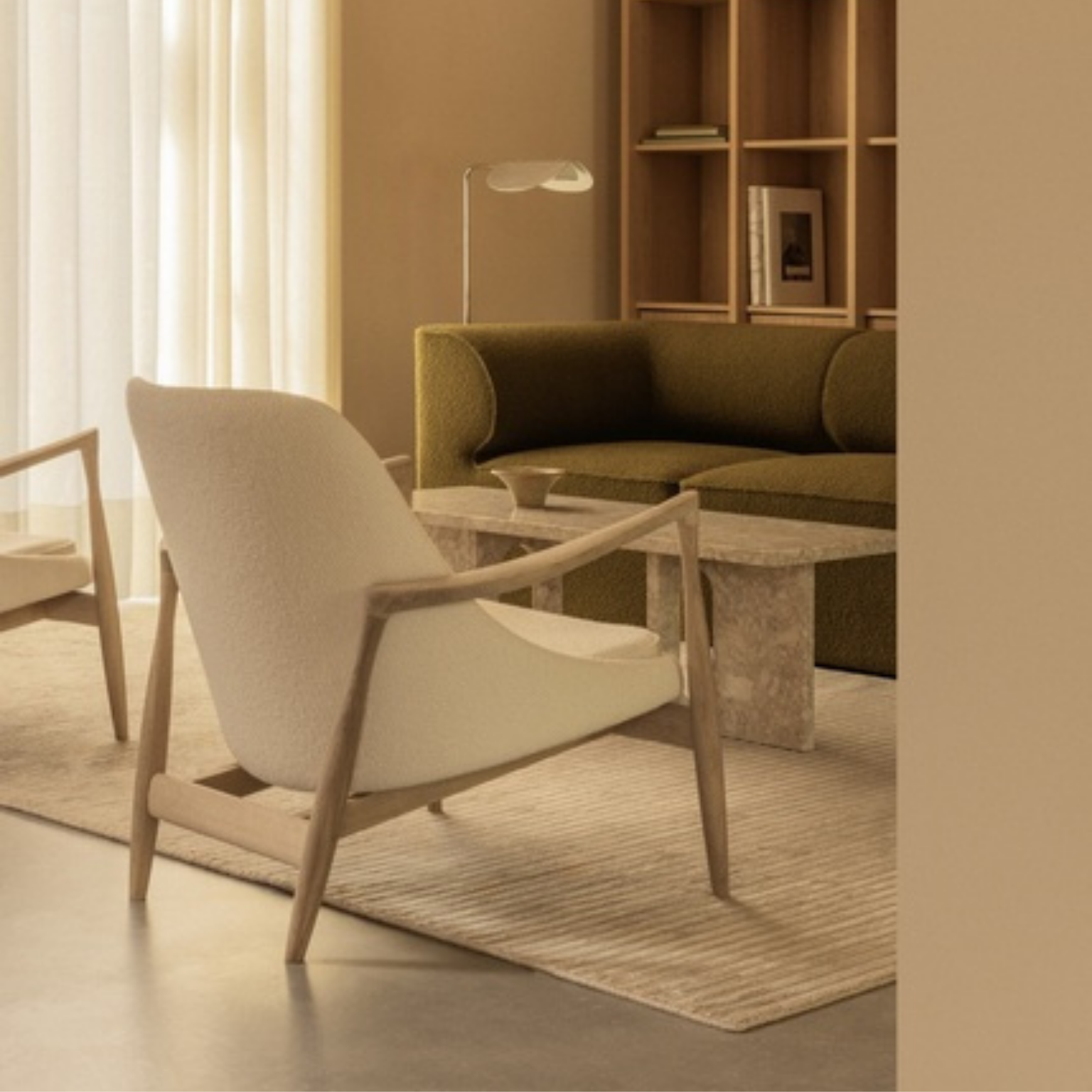
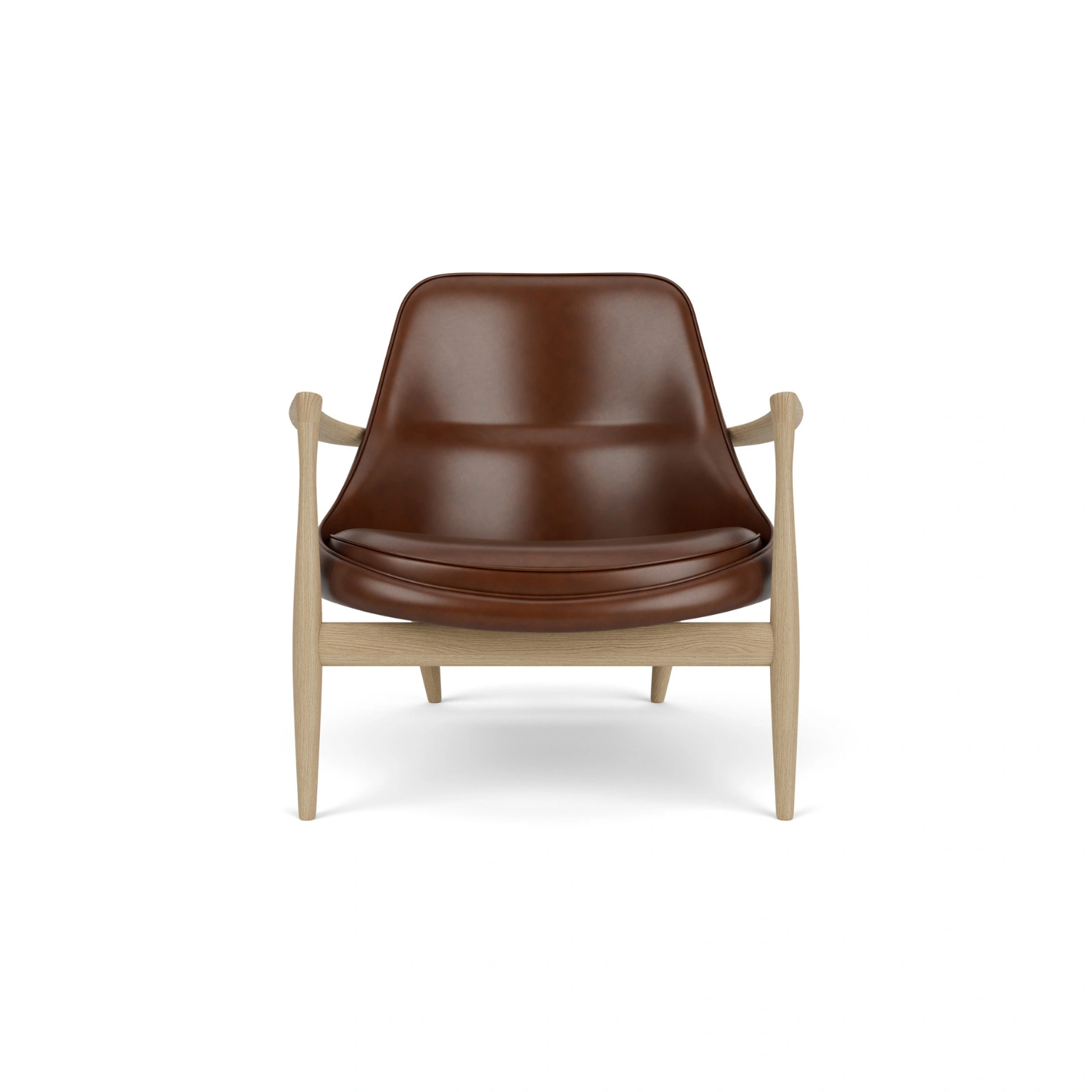
Created in 1956 by Ib Kofod-Larsen, the Elizabeth Chair earned its regal nickname after Queen Elizabeth II purchased two on a visit to Copenhagen. The chair’s generous proportions, angled back, and tapered armrests create a silhouette that is both commanding and elegant.
Crafted in oak or walnut with luxurious upholstery, the Elizabeth balances strength with softness, embodying a sense of understated grandeur. Today, it remains one of Kofod-Larsen’s most iconic works an enduring statement of Danish design’s quiet authority.
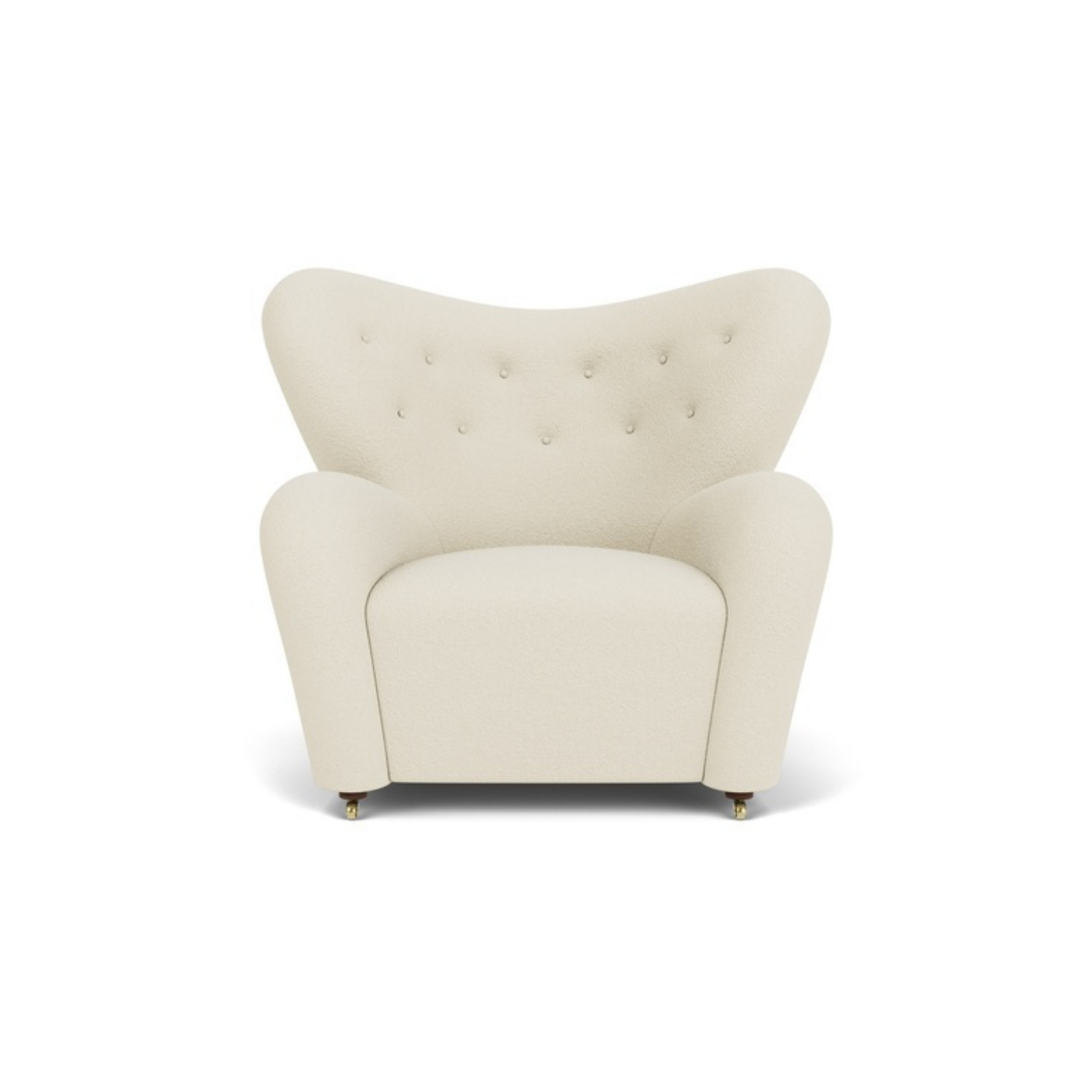
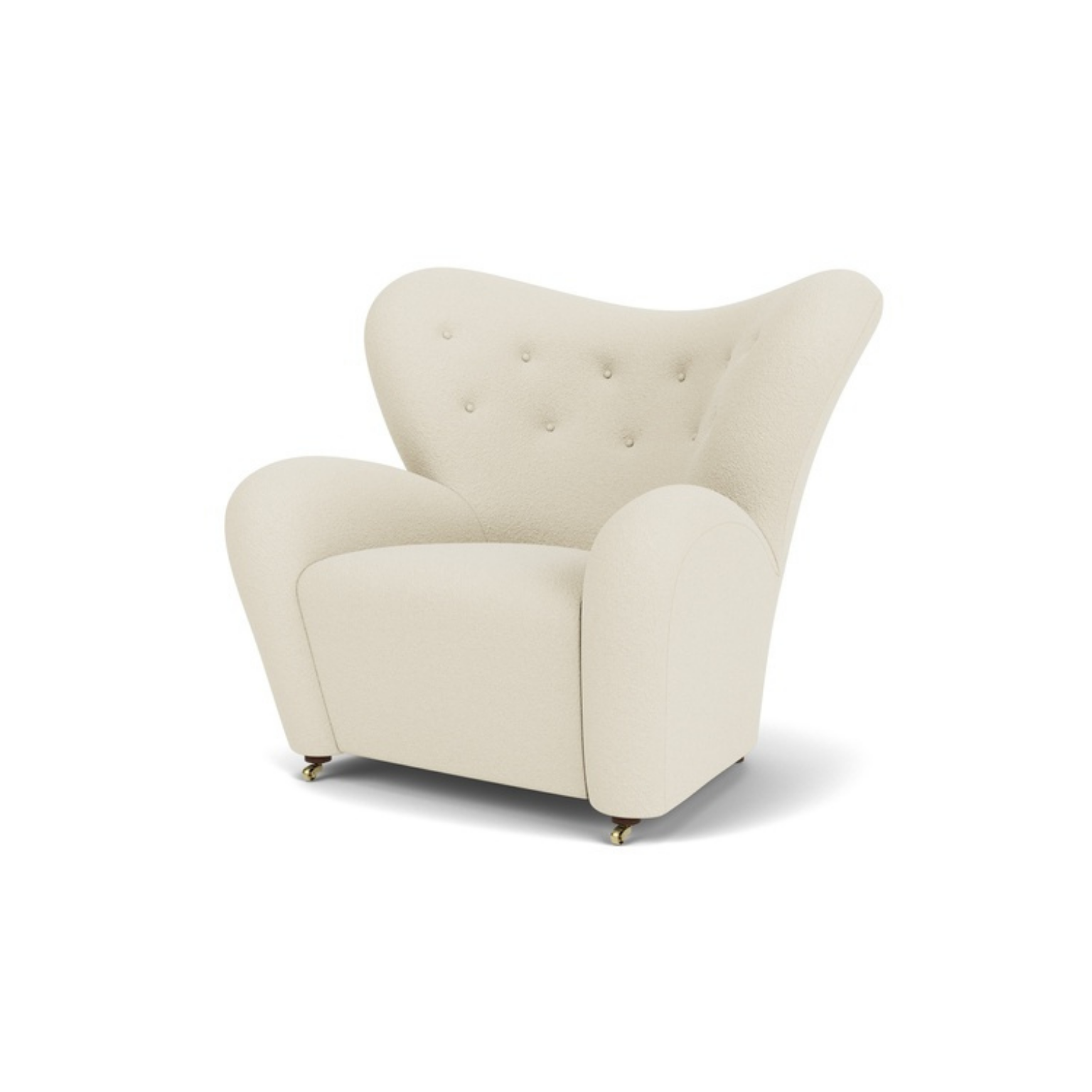
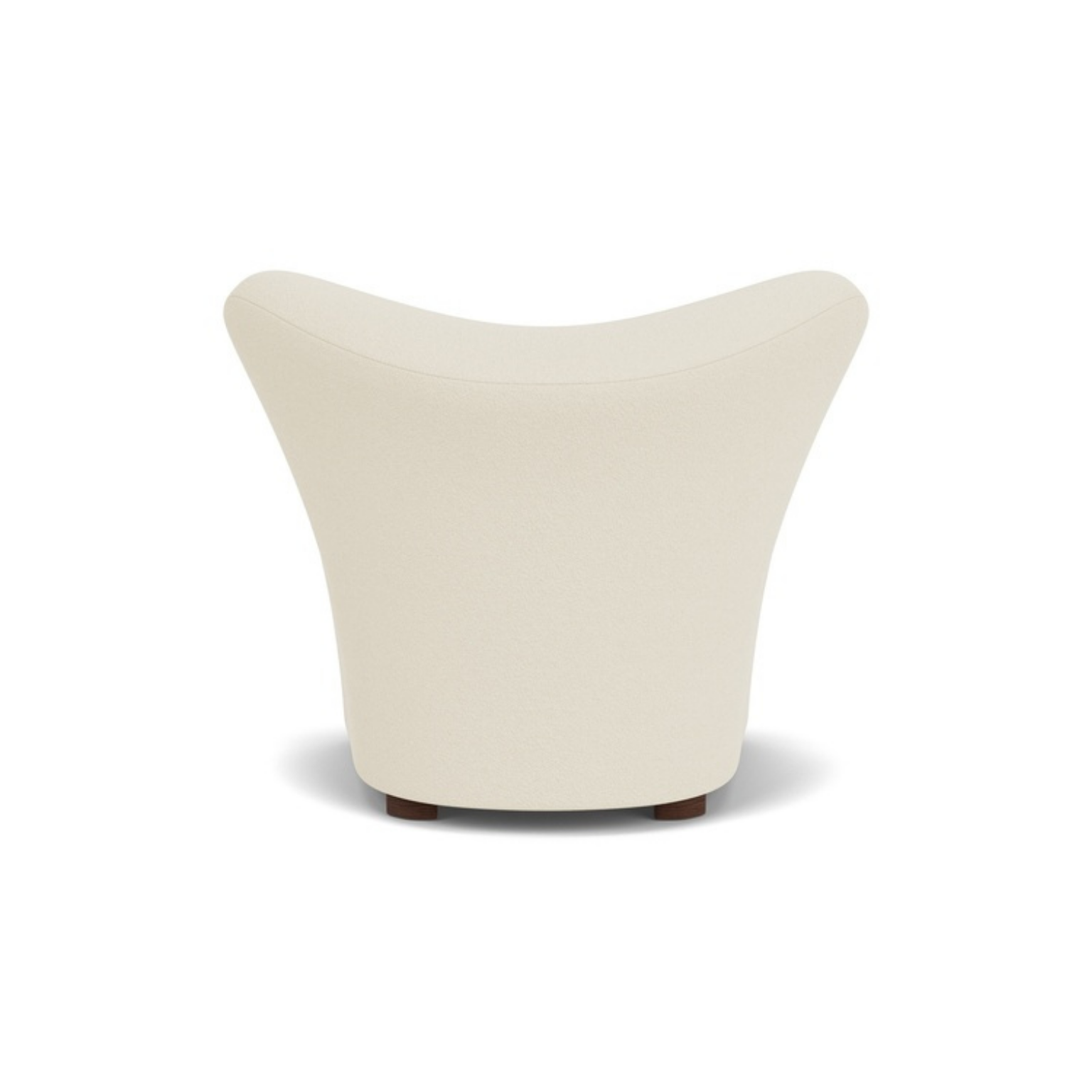
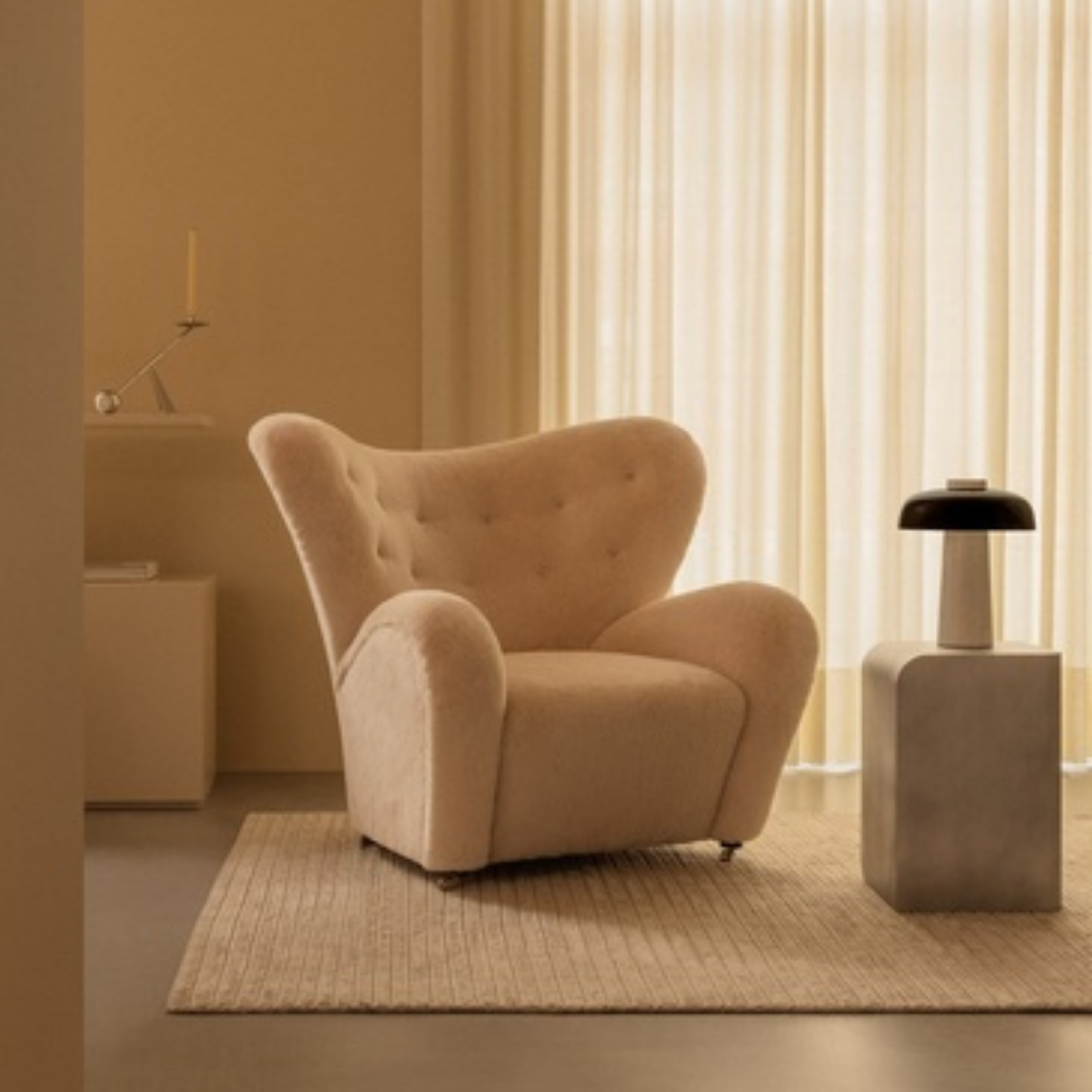
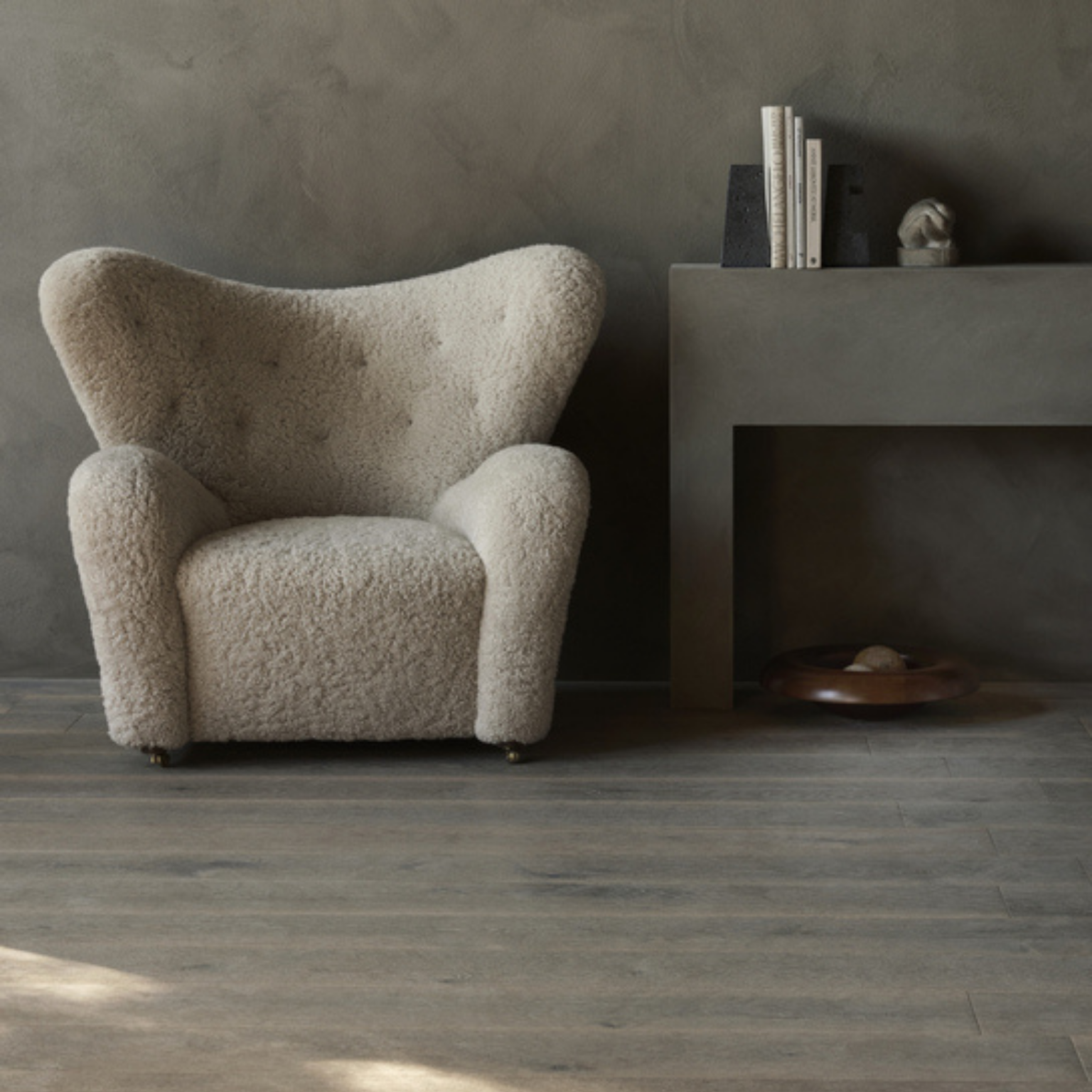
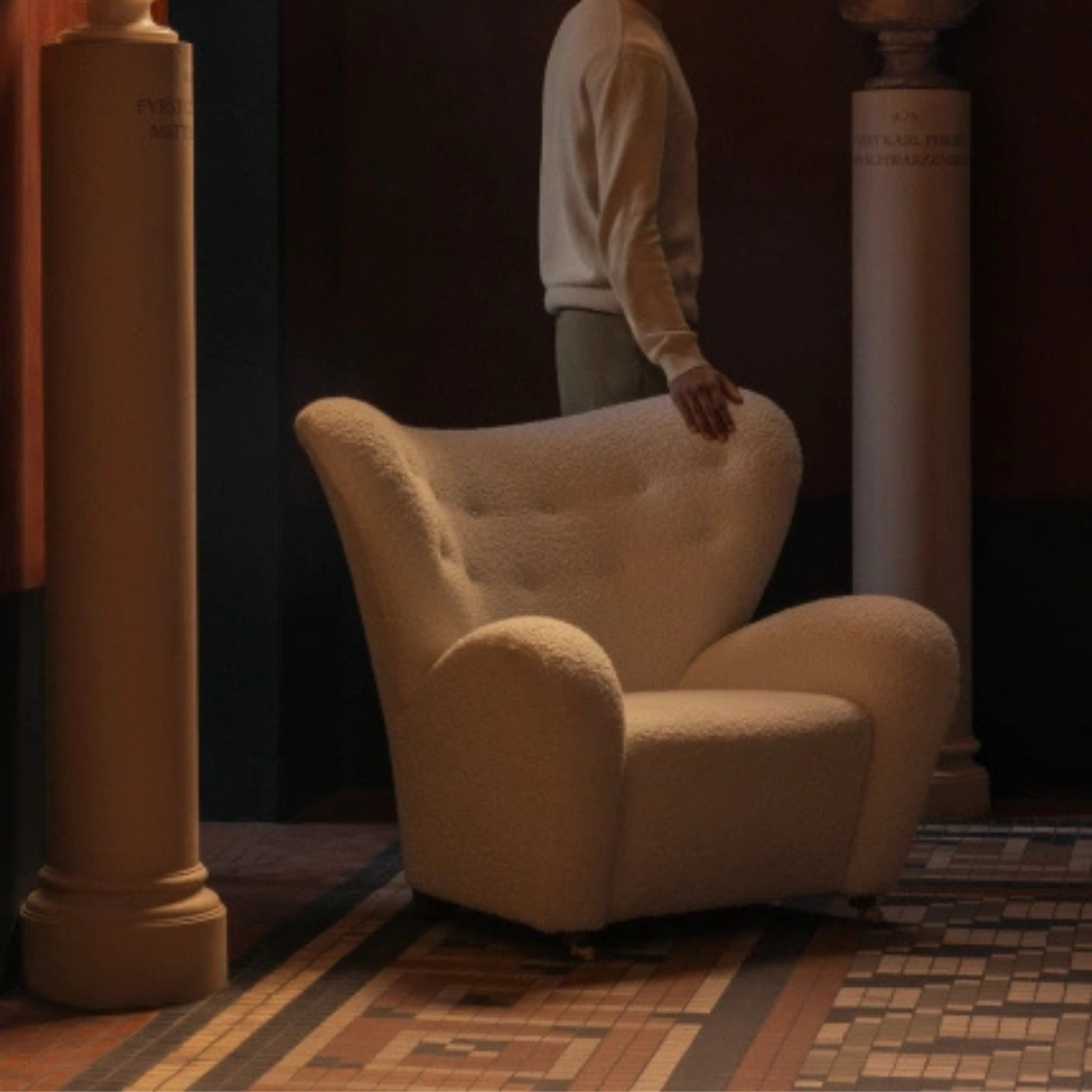
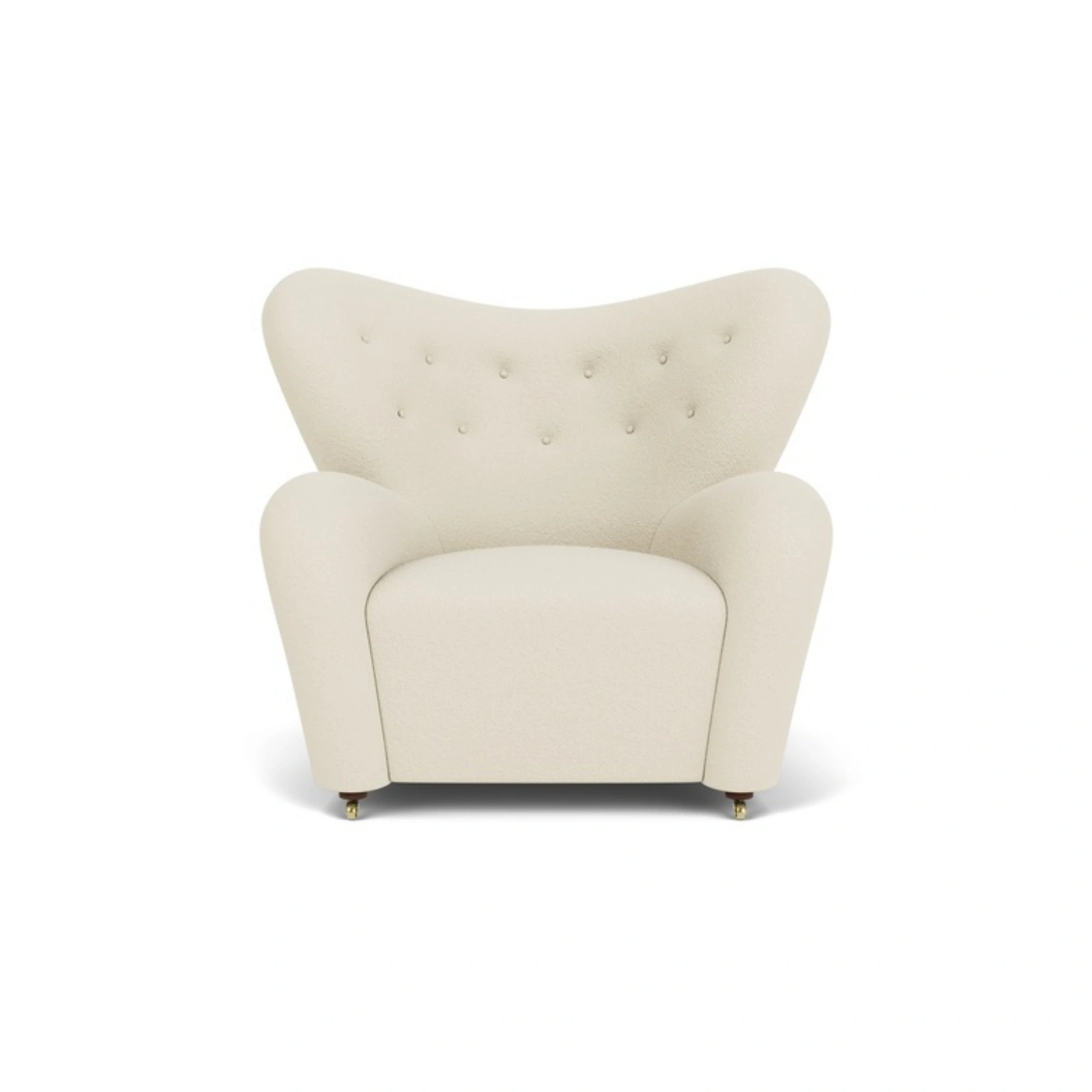
Unveiled in 1935 by Flemming Lassen, The Tired Man chair is one of the most beloved icons of Danish functionalism. With its enveloping form, oversized armrests, and deep seat, the chair was described by Lassen himself as “like a polar bear cub embracing you.”
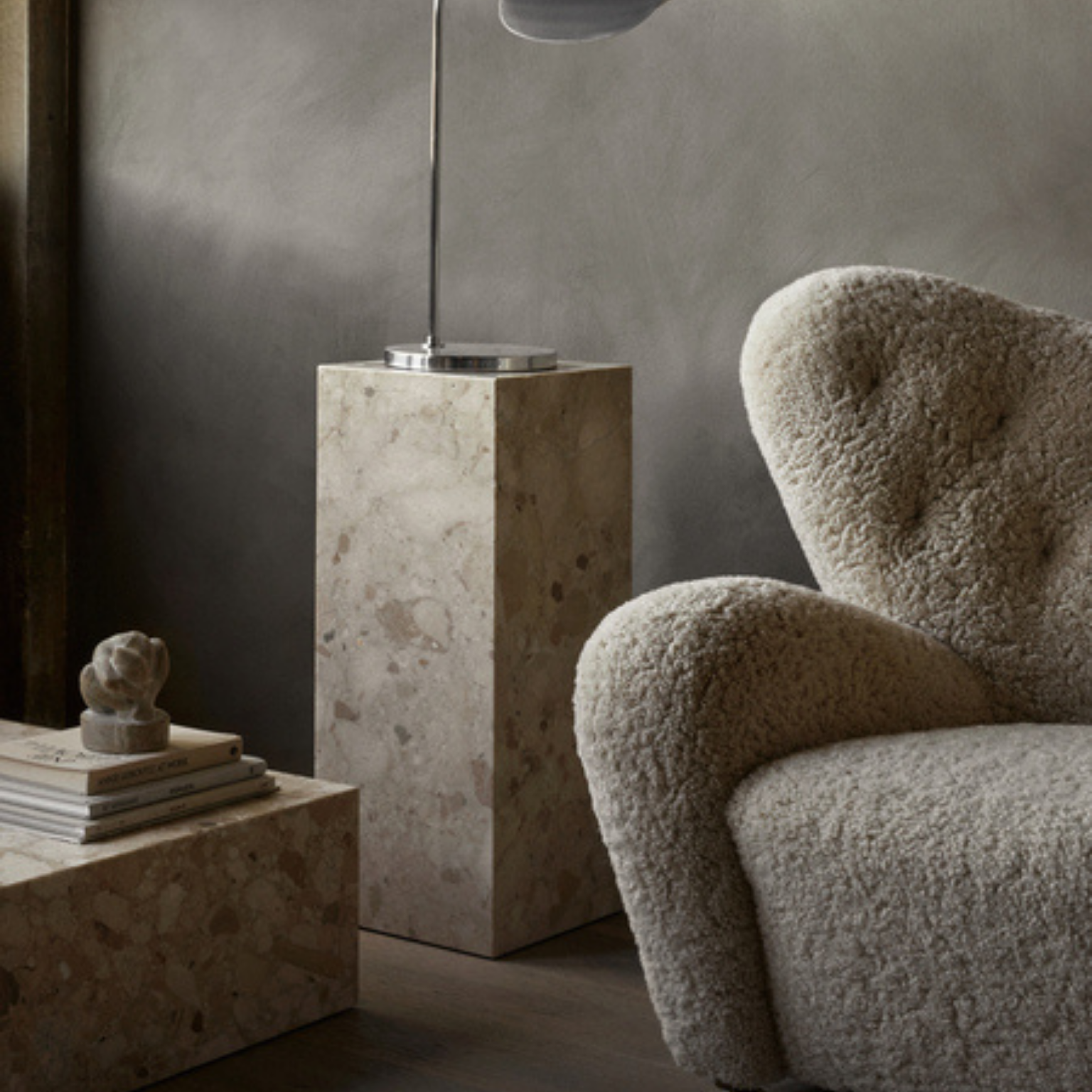
Upholstered in sheepskin or fabric, and supported by solid wood legs, it exudes both playfulness and comfort. Designed during a period when modernism was still finding its voice in Denmark, The Tired Man reflects Lassen’s unique ability to merge sculptural character with human warmth.