
Icons
Fredericia
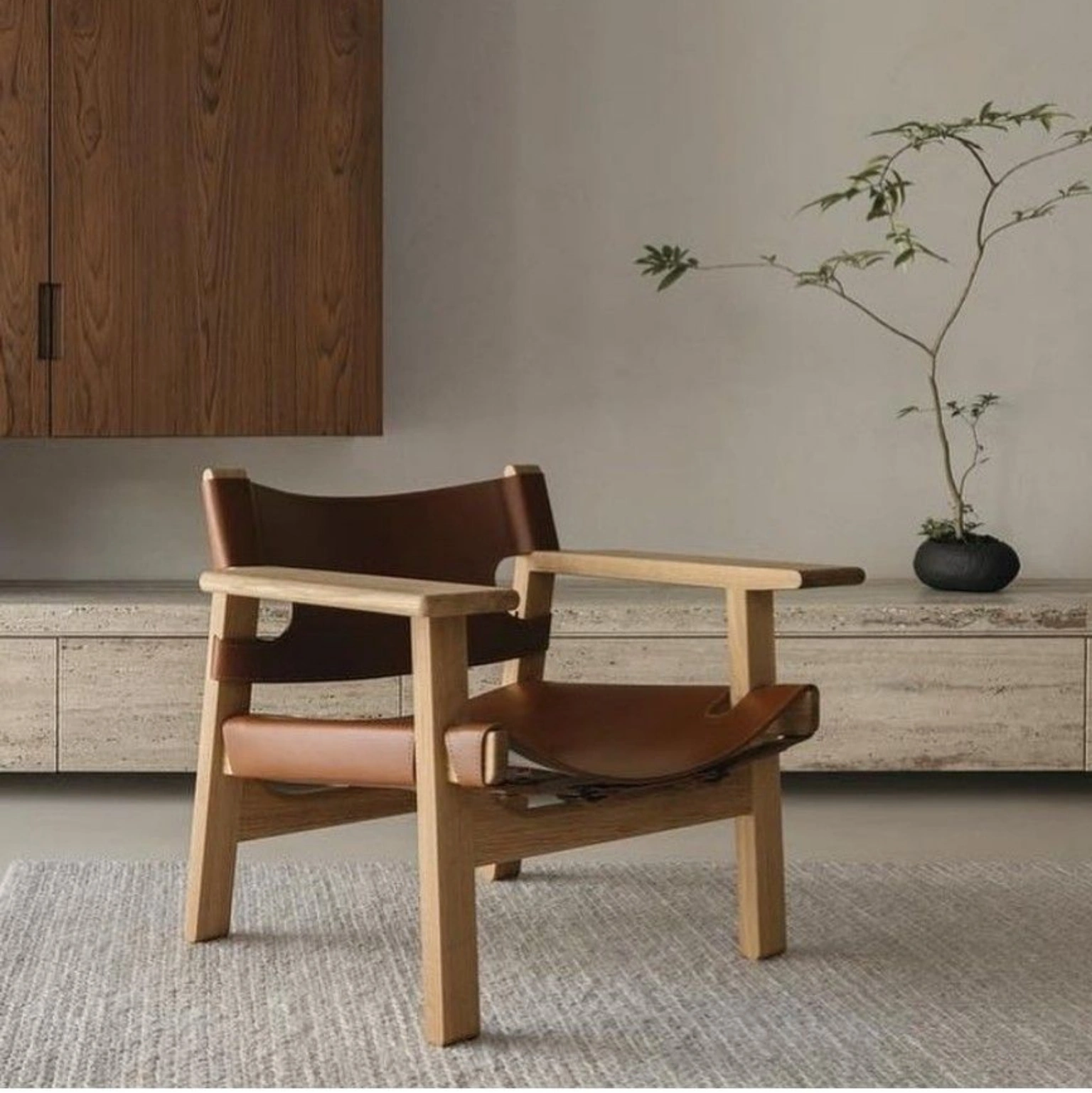
Spanish Chair
Designed in 1958 by Børge Mogensen, the Spanish Chair is an enduring icon of Danish modern design. Inspired by traditional Spanish furniture, the chair combines a solid oak frame with thick, vegetable-tanned saddle leather, creating a piece that is both robust and inviting.
The wide armrests double as practical surfaces for resting books or drinks, while the generous proportions invite relaxed lounging. Over time, the leather develops a rich patina, reflecting the passage of years and usage, making each chair unique.
Its combination of sculptural presence, functional utility, and natural materials has ensured the Spanish Chair’s place as a timeless classic in modern furniture design.
Hunting Chair
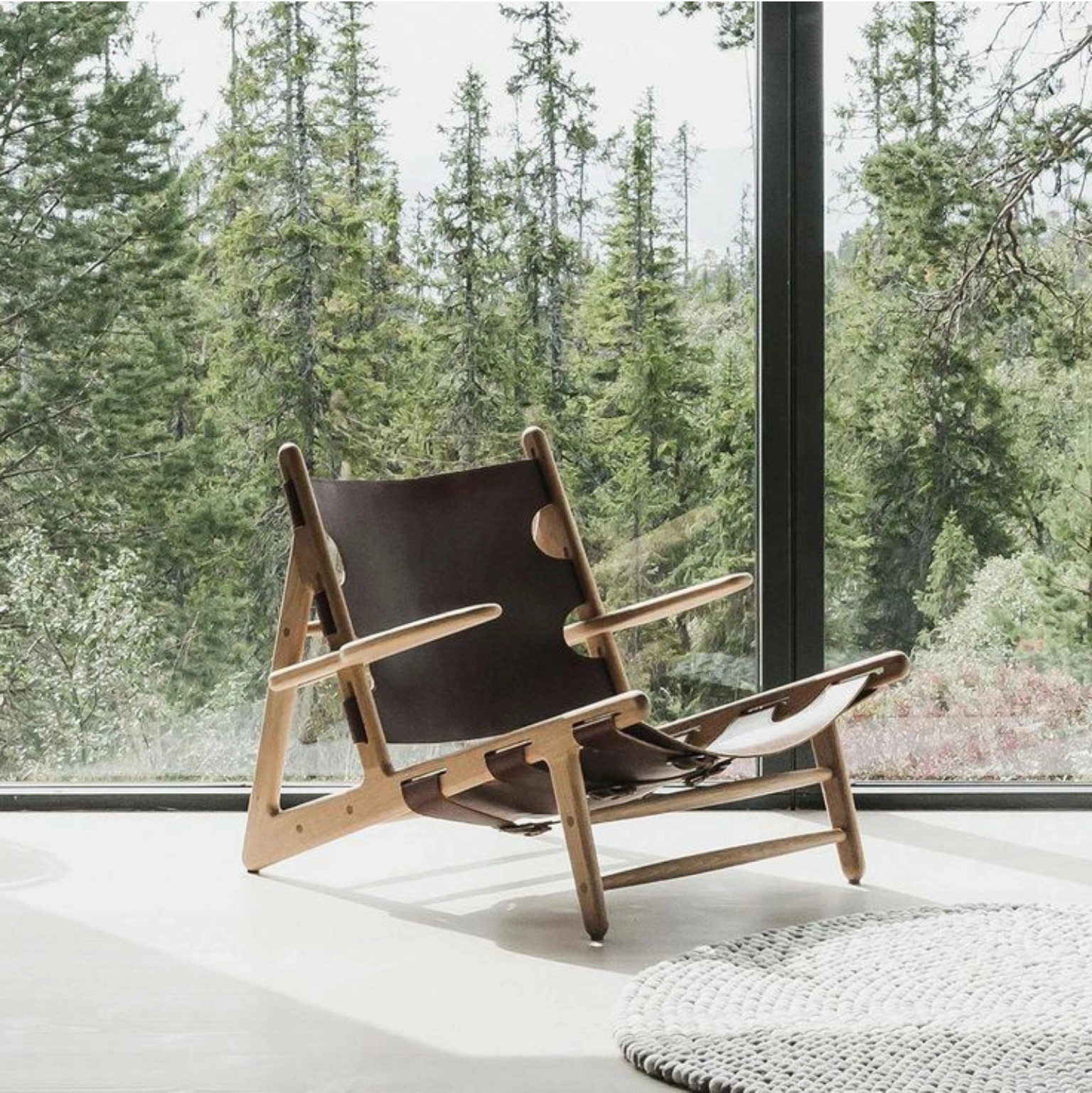
Introduced in 1950 by Børge Mogensen, the Hunting Chair embodies rustic sophistication. Crafted from solid oak with thick leather seating and adjustable straps, it was inspired by traditional hunting chairs and campaign furniture.
The low, informal silhouette and exposed construction highlight the natural beauty of its materials. Its functional design allows for comfort without sacrificing structural integrity, and the simplicity of form emphasizes honest craftsmanship.
Today, the Hunting Chair is celebrated for its enduring strength, tactile warmth, and timeless appeal, reflecting Mogensen’s philosophy of furniture as both practical and lasting.
OX Chair
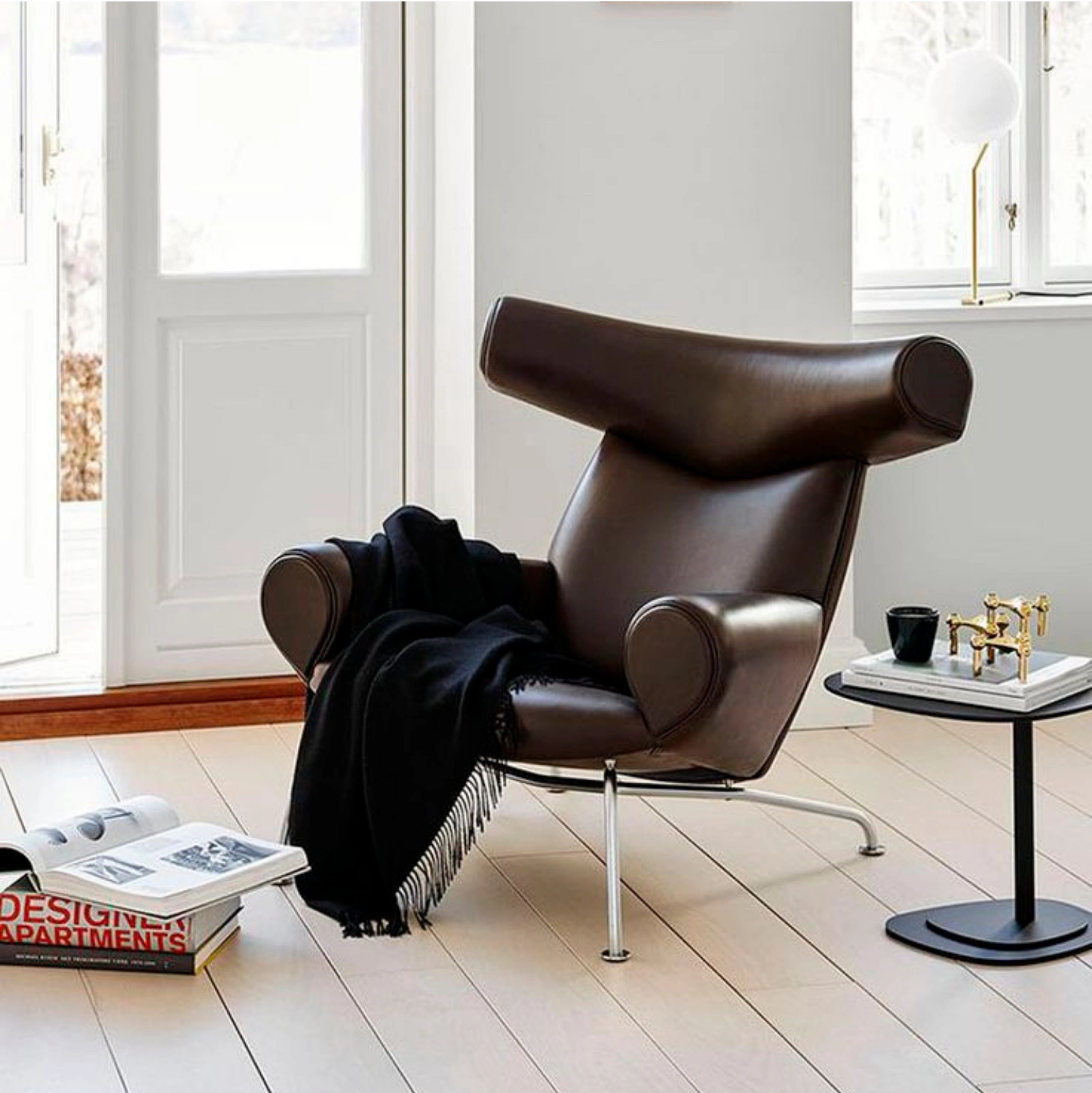
Hans J. Wegner’s OX Chair, unveiled in 1960, is a bold statement of modern design. Its dramatic horn-like headrest, wide armrests, and low lounge proportions convey power and playfulness simultaneously.
Originally considered too avant-garde for mass production, the OX Chair was later embraced as a design icon. Each piece is meticulously handcrafted, balancing the exaggerated form with comfort and durability.
Its sculptural silhouette and commanding presence make the OX Chair not only a seat but also a statement demonstrating Wegner’s talent for merging functionality with daring artistry.
Queen Chair
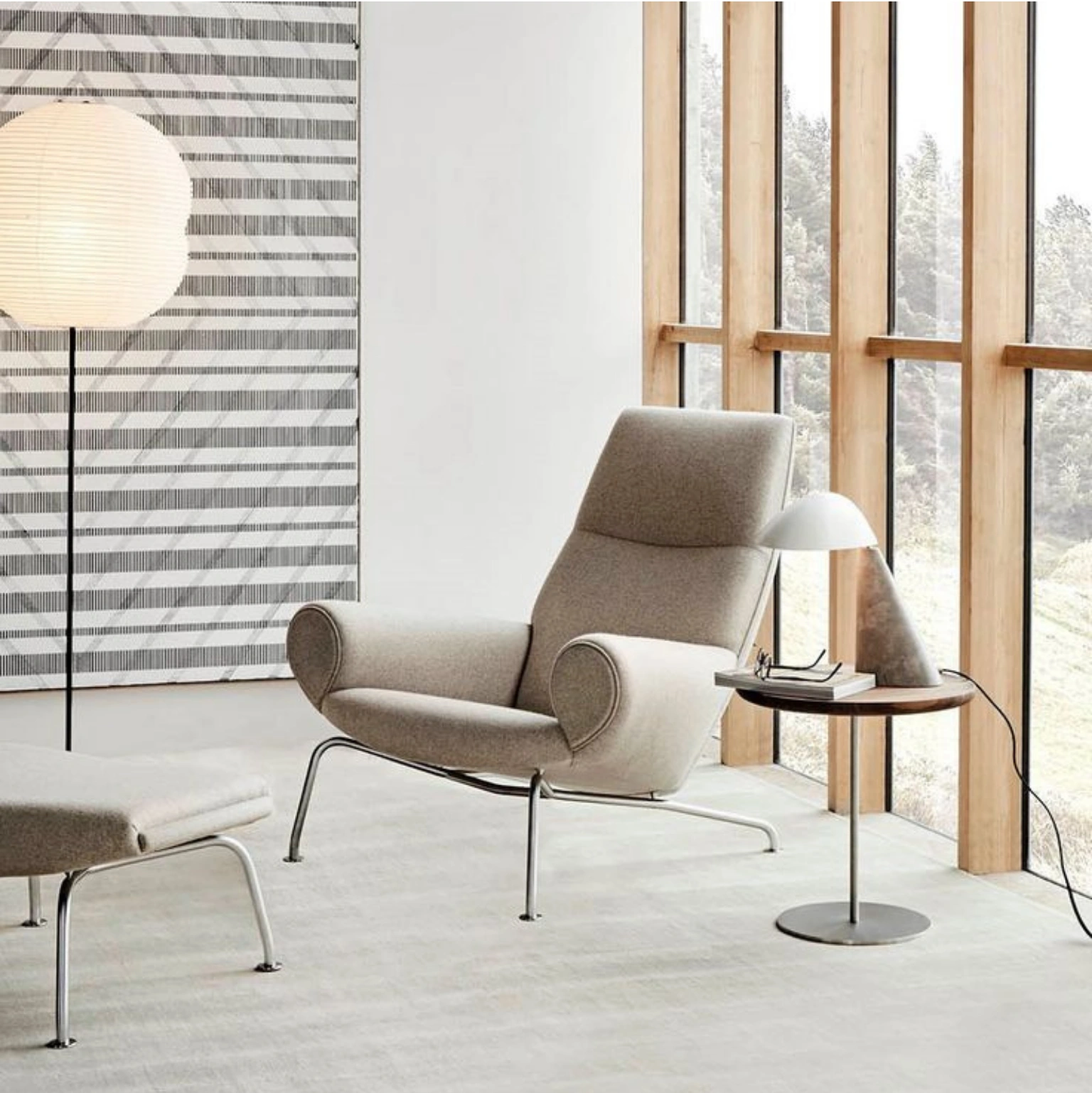
Designed in 1964, the Queen Chair is Wegner’s elegant counterpart to the OX Chair. Its slender frame, high upholstered backrest, and carefully proportioned armrests offer comfort while maintaining a poised, refined appearance.
The chair’s simplicity and balance make it suitable for both formal and casual spaces, reflecting Wegner’s belief that furniture should be both beautiful and functional.
Over time, the Queen Chair has been celebrated for its graceful design and understated sophistication, a testament to the enduring principles of Danish modern design
Corona Chair
Poul M. Volther’s Corona Chair, designed in 1964, is instantly recognizable for its orbiting elliptical cushions. Its form combines futuristic aesthetics with ergonomic precision, providing both comfort and visual intrigue.
Originally experimental, the Corona Chair’s lightweight steel frame and floating cushions required precise craftsmanship to balance elegance with stability. Its unique structure allows the sitter to recline in a relaxed yet supported position, while the sculptural form makes it an object of admiration from every angle.
Today, the Corona Chair is celebrated as a mid-century masterpiece, symbolizing the innovative spirit of Danish modern design.
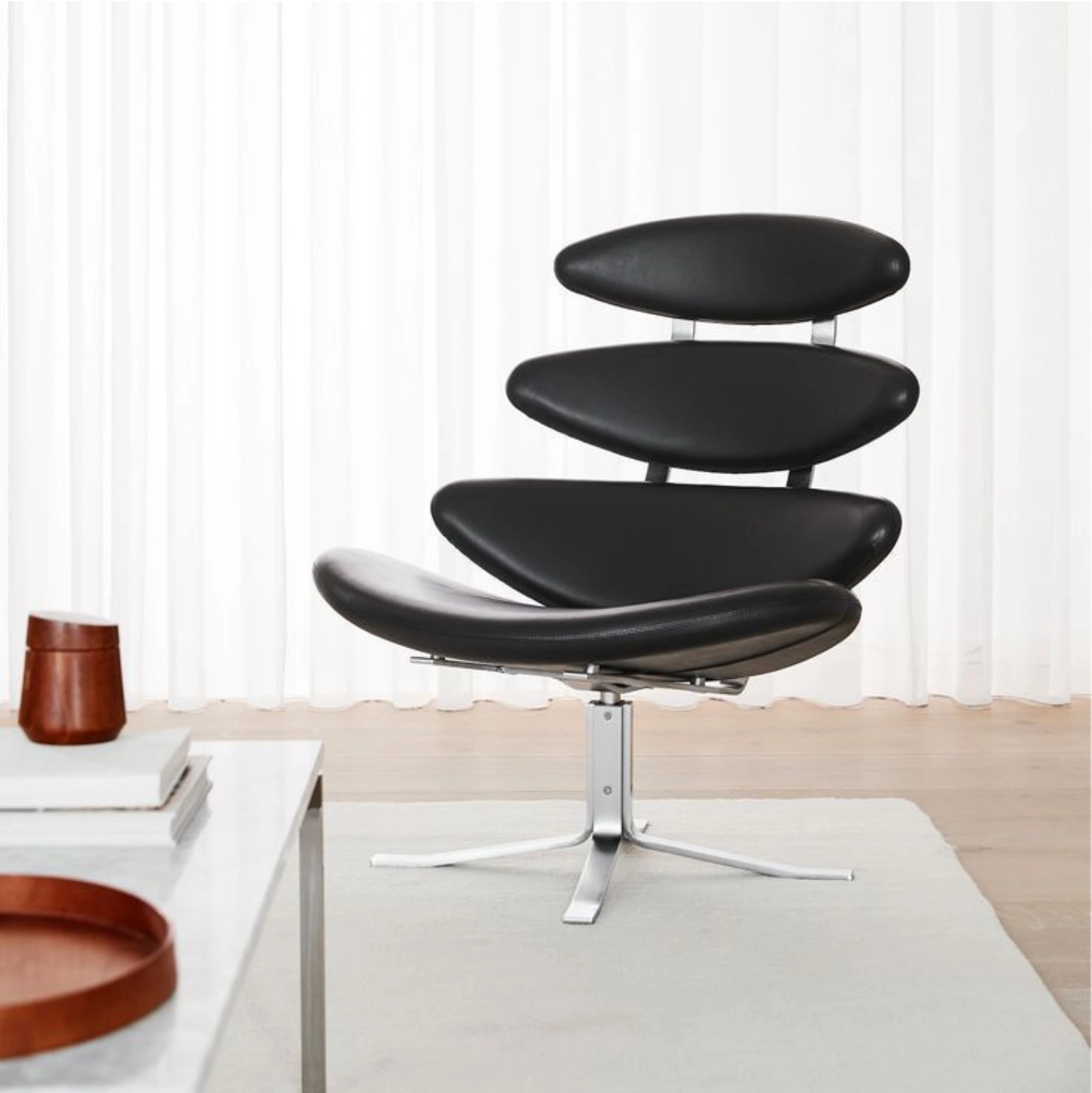
J39 Dining Chair
Børge Mogensen’s J39, designed in 1947, is affectionately known as “The People’s Chair.” Its solid oak frame and hand-woven paper cord seat combine practicality with enduring beauty, making it suitable for any setting.
Mogensen envisioned a chair that was easy to produce, lightweight, and versatile, yet uncompromising in craftsmanship. Its clean lines, tapered legs, and balanced proportions exemplify the principles of Danish design: clarity, function, and understated elegance.
Decades after its creation, the J39 remains a staple of modern interiors, admired for its comfort, durability, and timeless aesthetic.
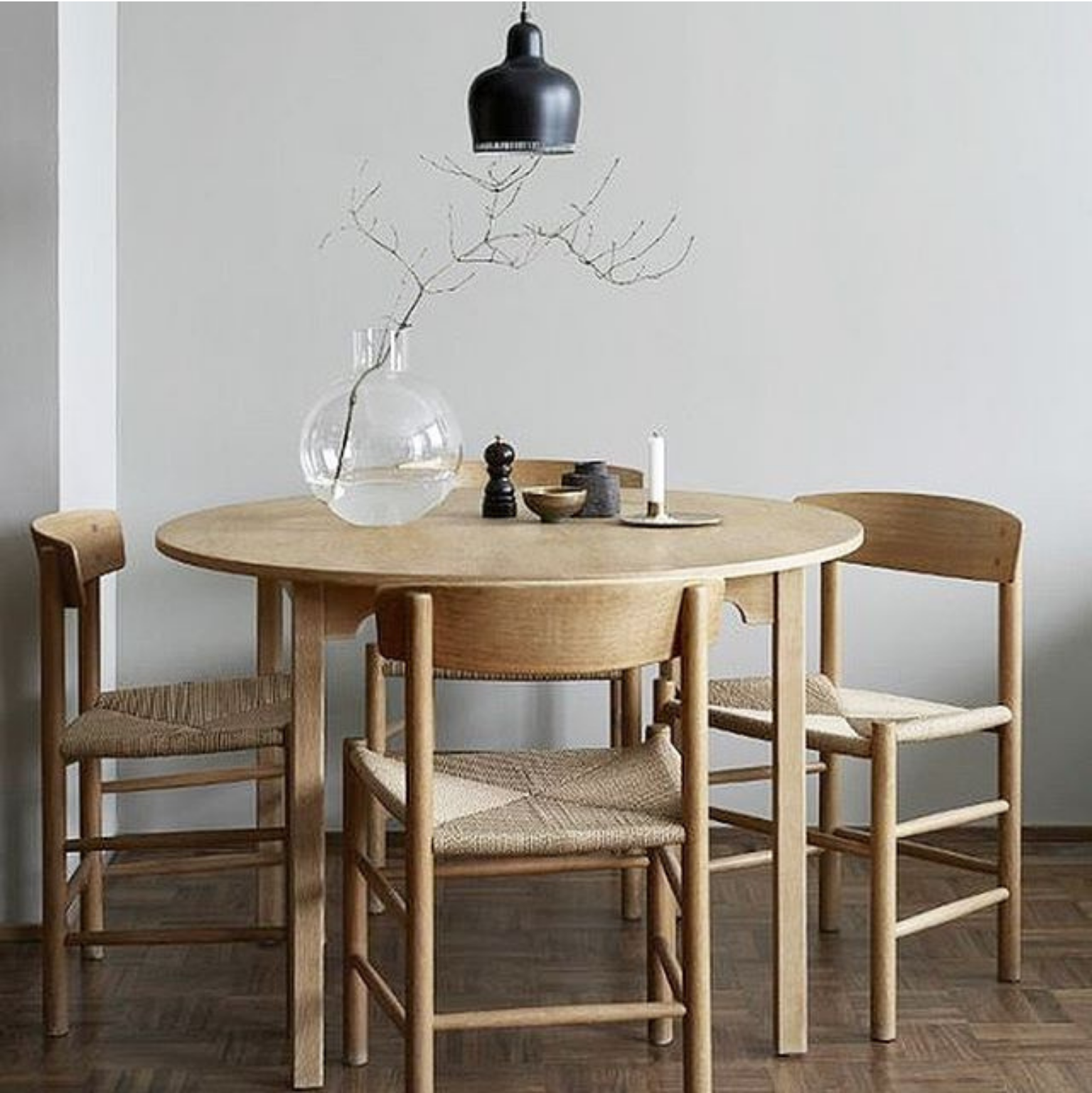
BM62 Wicker Chair
Introduced in 1958, the BM62 Wicker Chair pairs solid wood with a hand-woven wicker seat, celebrating the contrast between structure and texture. Its modest profile allows it to blend seamlessly into both modern and rustic interiors.
The wicker adapts subtly to the sitter’s shape, enhancing comfort while highlighting traditional craftsmanship. The sturdy frame ensures lasting durability, while the light, tactile design adds warmth and character to any space.
Today, the BM62 Wicker Chair is admired for its simplicity, elegance, and thoughtful combination of natural materials.
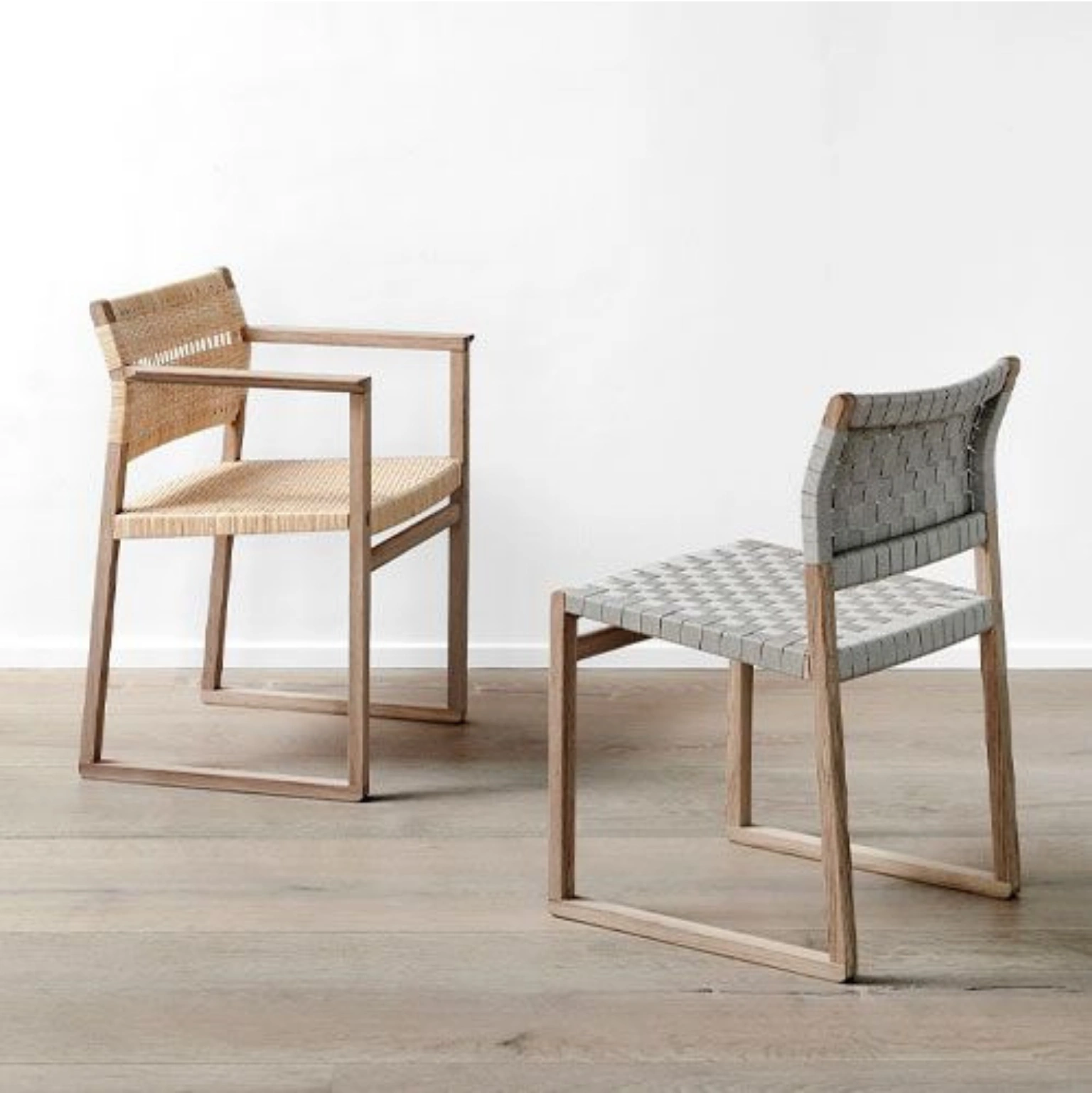
EJ315 Sofa
Børge Mogensen’s EJ315 Sofa, designed in 1963, embodies functional simplicity and human-centered design. Its clean lines, firm cushions, and generously proportioned wooden frame offer both comfort and visual clarity.
The sofa was conceived with modularity in mind, allowing it to adapt to a variety of spaces—from living rooms to libraries—without compromising on structure or style. Each piece is meticulously crafted to ensure longevity and enduring aesthetic appeal.
The EJ315 remains a testament to Mogensen’s philosophy: furniture should respond to everyday life while celebrating craftsmanship and subtle elegance.
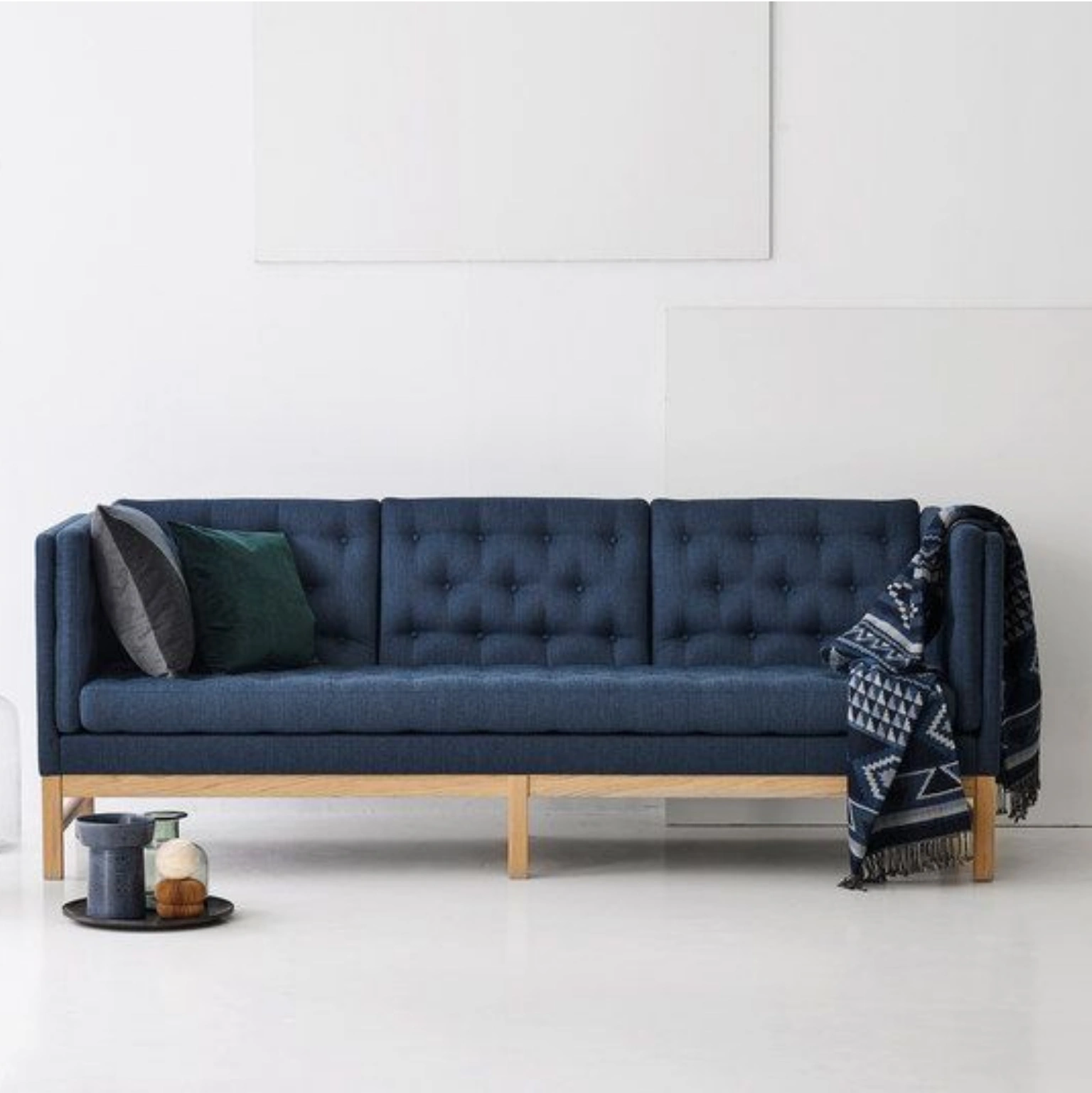
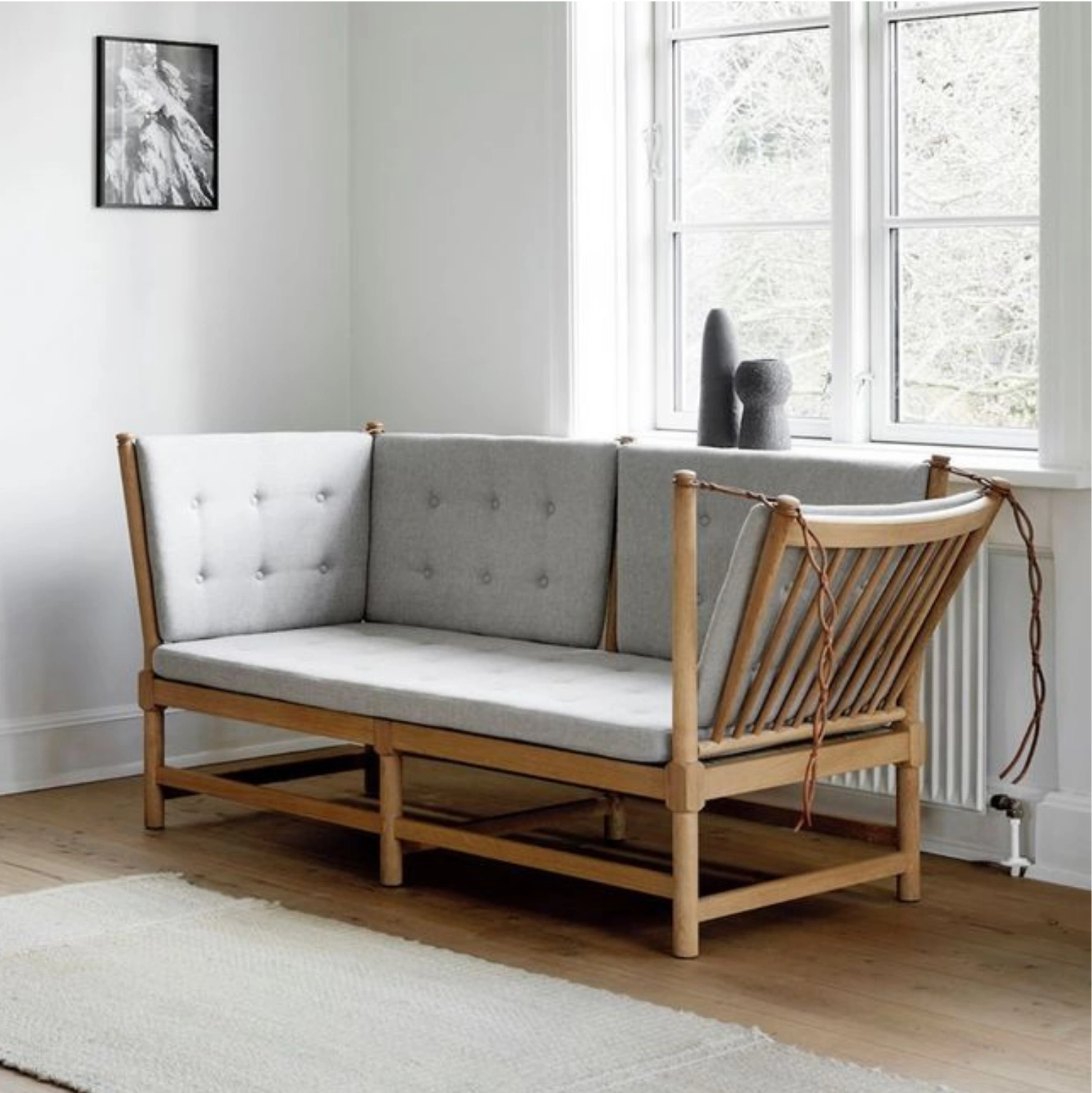
Spoke Back Sofa
The Spoke Back Sofa, designed in 1945, showcases innovation and refined simplicity. Its distinctive spindle backrest and adjustable side panels provide both comfort and versatility, allowing it to transition from upright seating to a more relaxed lounge position.
The solid wood frame and upholstered cushions emphasize durability, proportion, and tactile warmth, while the open structure maintains a sense of lightness in the interior.
Celebrated as a pioneering example of Danish modern design, the Spoke Back Sofa balances practicality, comfort, and elegance in perfect harmony.
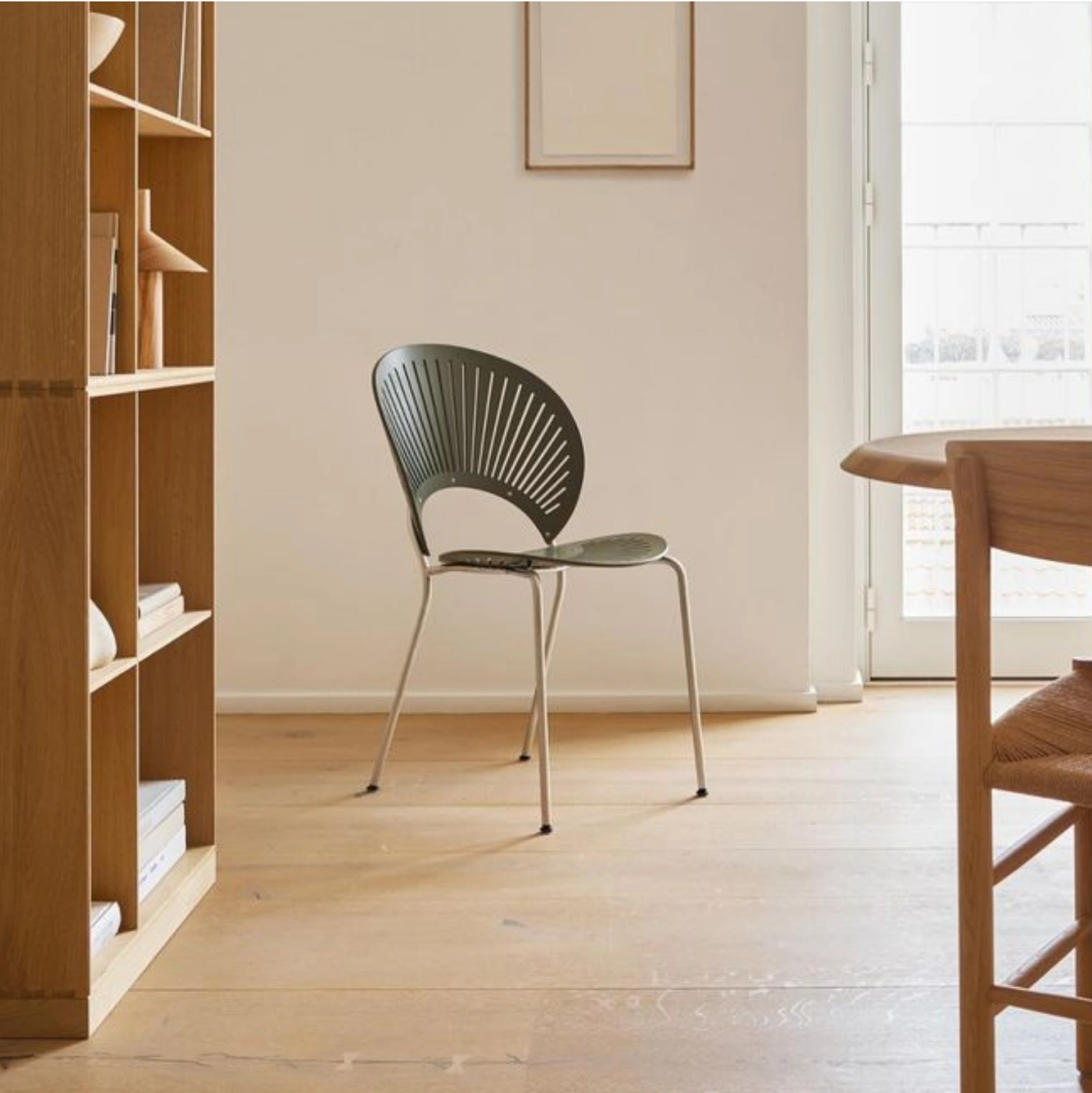
Trinidad Dining Chair
Nanna Ditzel’s Trinidad Chair, designed in 1993, is inspired by architectural motifs and acoustic principles. Its vertical back slats create visual lightness while subtly improving room acoustics, and the curved form adapts ergonomically to the sitter.
Crafted from solid wood with meticulous attention to proportion and detail, the Trinidad balances sculptural presence with practical functionality. Its elegant silhouette complements contemporary dining spaces without overwhelming them.
The Trinidad Chair has since become a celebrated piece, admired for its innovative design, refined craftsmanship, and enduring aesthetic appeal.
Carl Hansen and Son
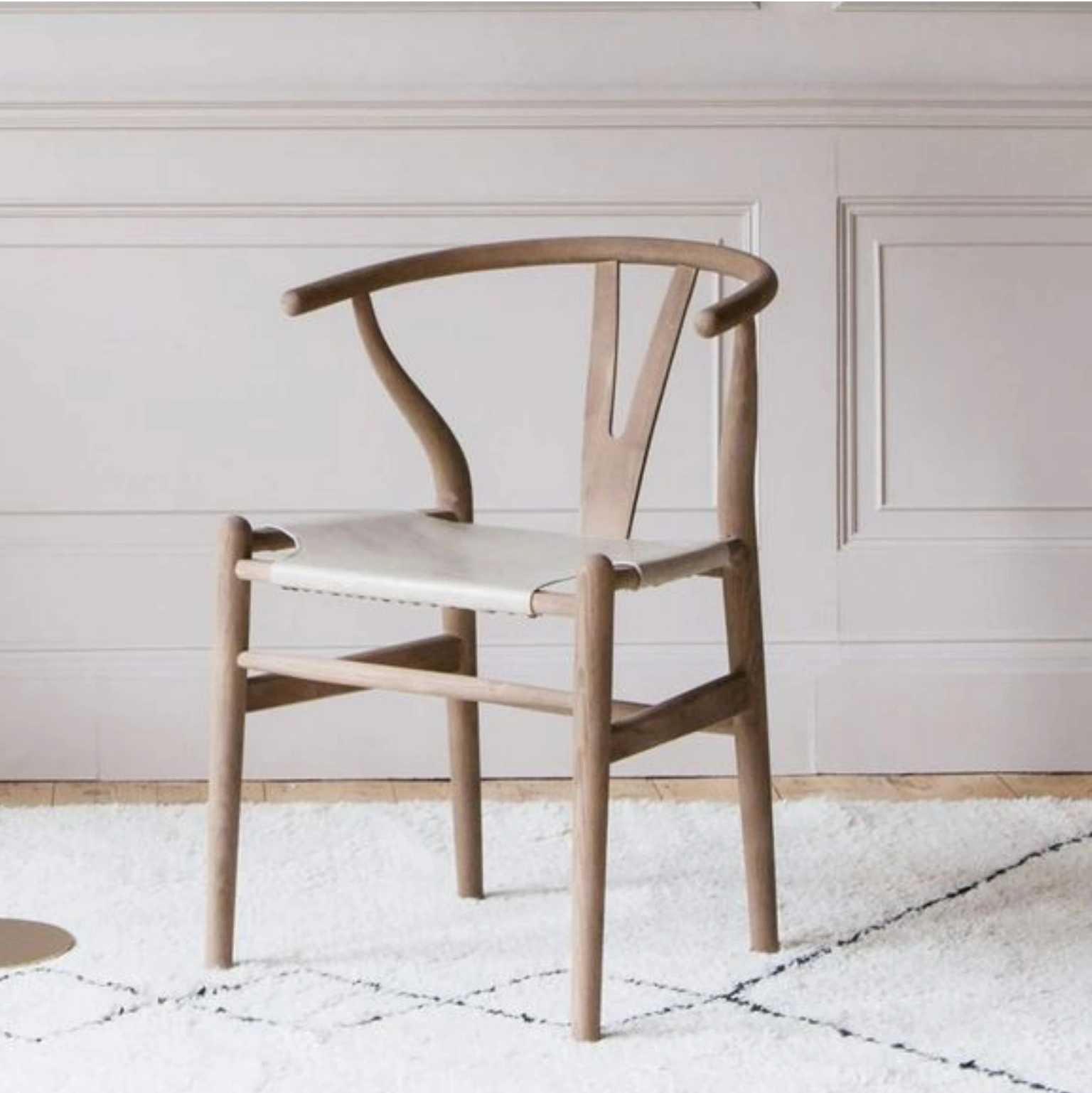
Wishbone Chair CH24
With a form uniquely its own, the iconic CH24 Wishbone Chair by Hans J. Wegner is celebrated worldwide as a hallmark of Danish modern design. Designed in 1949, Wegner combined the back- and armrest into a single, fluid piece, creating the characteristic Y-shaped back that gives the chair its name.
Each Wishbone Chair is handcrafted, with more than 100 steps involved in its production. The hand-woven seat alone takes a skilled artisan about an hour and uses roughly 120 meters of paper cord, producing a seat that is strong, durable, and surprisingly comfortable.
The chair’s light, sculptural silhouette, coupled with the tactile quality of its materials, makes it both functional and aesthetically compelling. Over time, the CH24 has become synonymous with timeless elegance, embodying Wegner’s philosophy that chairs should serve as both tools and works of art.
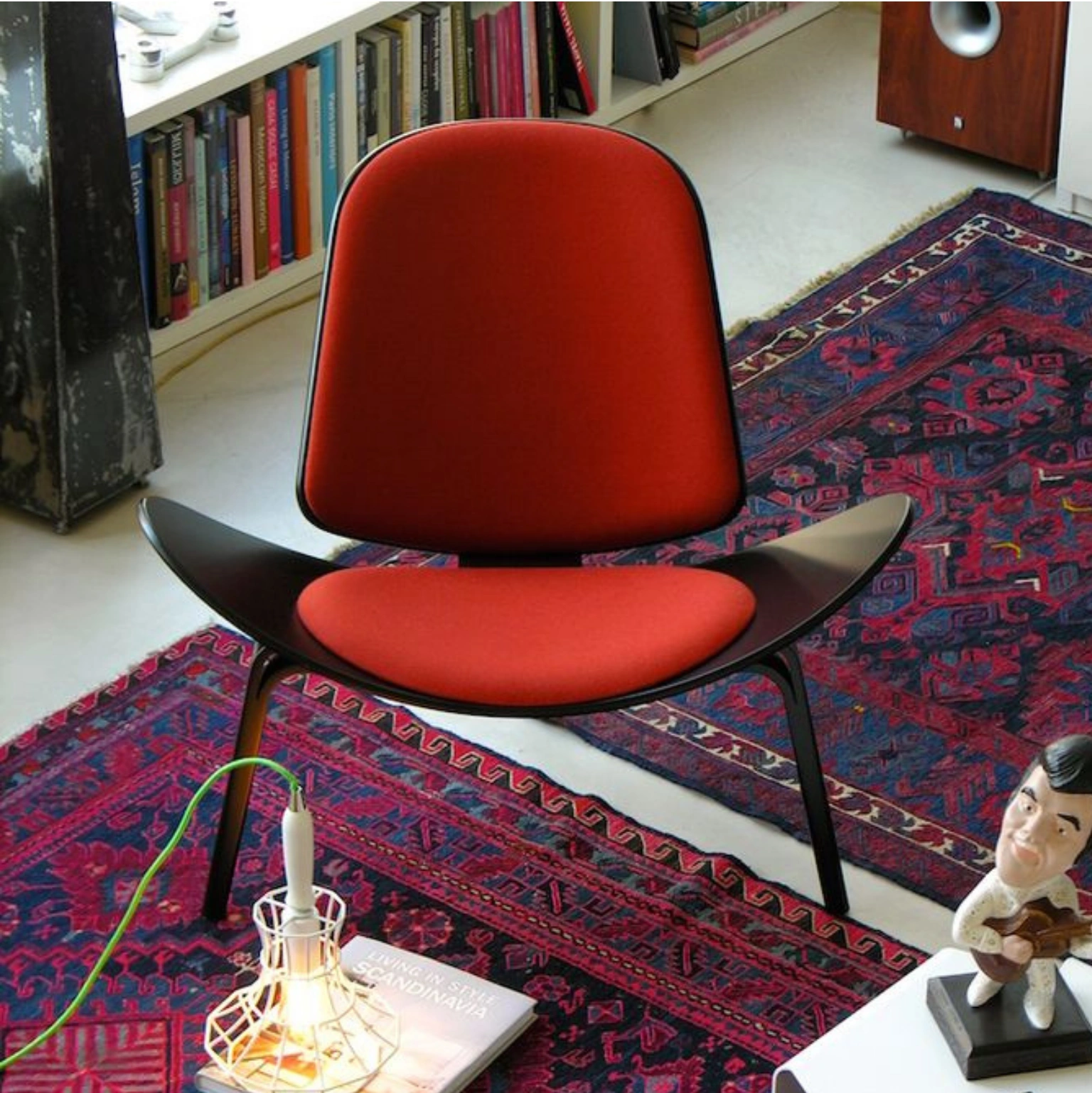
CH07 Shell Chair
Unveiled in 1963, the CH07 Shell Chair is one of Wegner’s most daring and celebrated designs. Nicknamed the “Smiling Chair”, it is distinguished by its floating, wing-like seat and three-legged structure, combining sculptural beauty with engineering precision.
Originally considered too avant-garde for mass production, the chair was reintroduced in the 1990s and quickly gained international acclaim. The curved laminated veneer shell and padded seat provide both comfort and visual lightness, while the arched legs ensure remarkable stability.
Every CH07 requires meticulous craftsmanship to balance its delicate, hovering form with durability.
Today, it is regarded as a masterpiece of Danish modern design, proof of Wegner’s vision that furniture can be both functional and artful.
CH25 Lounge Chair
Introduced in 1950, the CH25 Lounge Chair demonstrates Wegner’s commitment to comfort and simplicity. Its hand-woven paper cord seat and back provide resilience and flexibility, while the solid wood frame ensures structural strength and longevity.
The lounge chair’s open, airy design allows it to fit seamlessly into both domestic and professional interiors, offering relaxation without dominating the space. Each chair is painstakingly handcrafted, highlighting the grain of the wood and the meticulous tension of the cord seat.
The CH25 remains a quintessential example of Danish lounge design, combining elegance, comfort, and understated craftsmanship that continues to inspire designers and collectors alike.
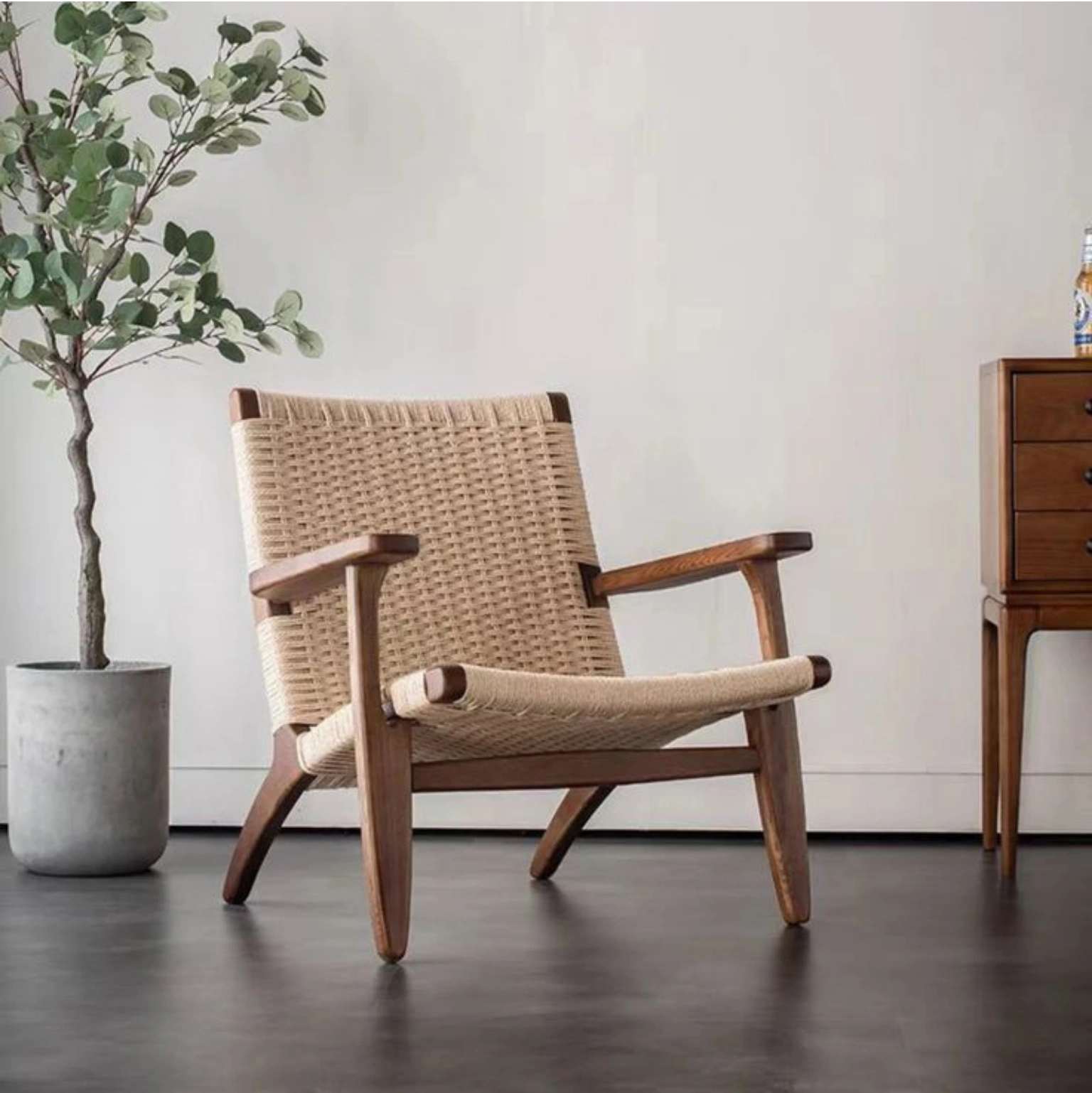
CH78 Mama Bear Chair
Wegner’s CH78 Mama Bear Chair, designed in 1954, is a compact and inviting counterpart to the more imposing Papa Bear Chair. Its sculpted arms, enveloping backrest, and upholstered seat create a sense of warmth and embrace, while maintaining a distinctive sculptural form.
The chair is meticulously upholstered to enhance both comfort and visual appeal, with proportions designed to cradle the sitter naturally. Its subtle curves and gentle presence reflect Wegner’s ability to blend functionality with expressive design.
Today, the CH78 Mama Bear is celebrated as a cozy yet iconic piece of Danish modern design, exemplifying Wegner’s mastery of proportion, form, and human-centered comfort.
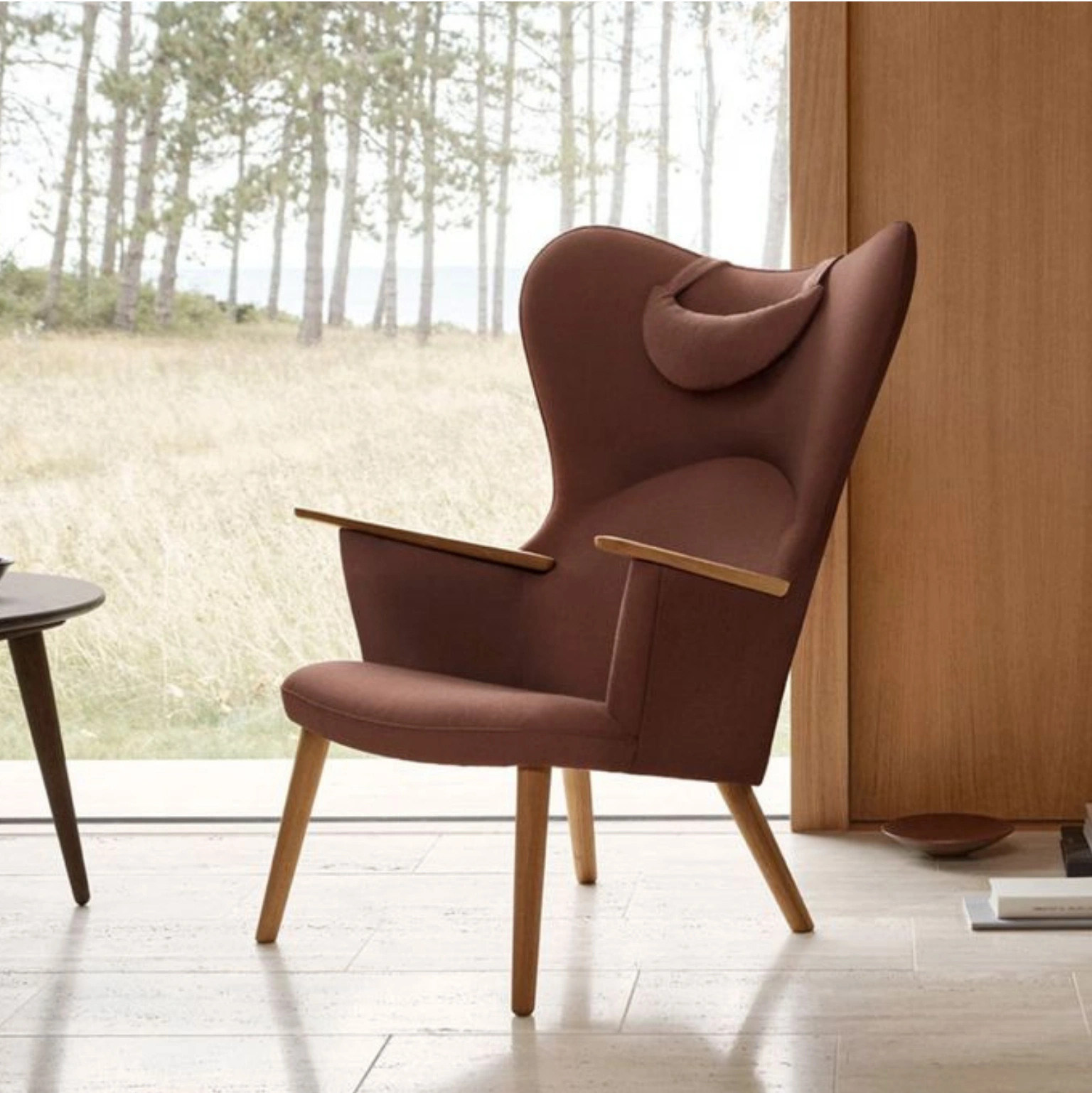
BM1106 Huntsman Chair
Børge Mogensen’s BM1106 Huntsman Chair, created in 1950, is a testament to strength, simplicity, and craftsmanship. Constructed from solid oak and saddle leather, the chair evokes traditional hunting seats while embodying modern design principles.
The generous proportions, robust frame, and tactile leather ensure both comfort and longevity. Every chair is handcrafted, with attention to detail that emphasizes natural materials and honest construction.
The Huntsman Chair remains a classic example of Danish modern furniture, blending utilitarian functionality with sculptural elegance that stands the test of time.
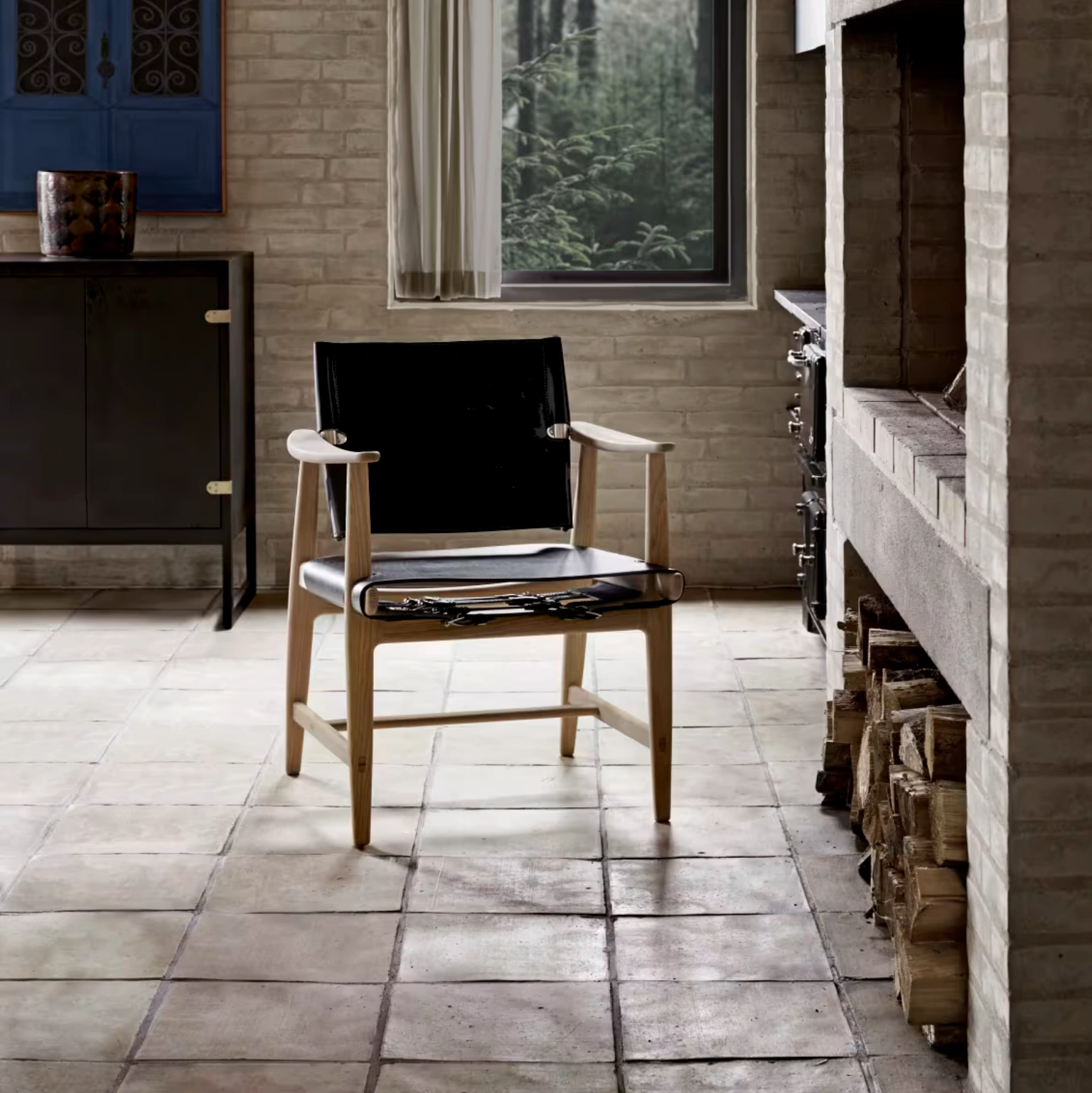
KK96620 Faaborg Chair
Designed by Kaare Klint in 1936, the Faaborg Chair is a masterful study of proportion, simplicity, and functional elegance. Inspired by traditional Danish seating, Klint refined the forms to create a chair that is light yet structurally precise.
Its slender oak frame and gently curved backrest provide comfort while maintaining a clean, balanced silhouette. Every joint and contour is carefully crafted to emphasize clarity of form and craftsmanship, hallmarks of Klint’s design philosophy.
Over time, the Faaborg Chair has become celebrated for its timeless aesthetic and adaptability, a perfect example of Danish design where function, comfort, and beauty converge seamlessly.
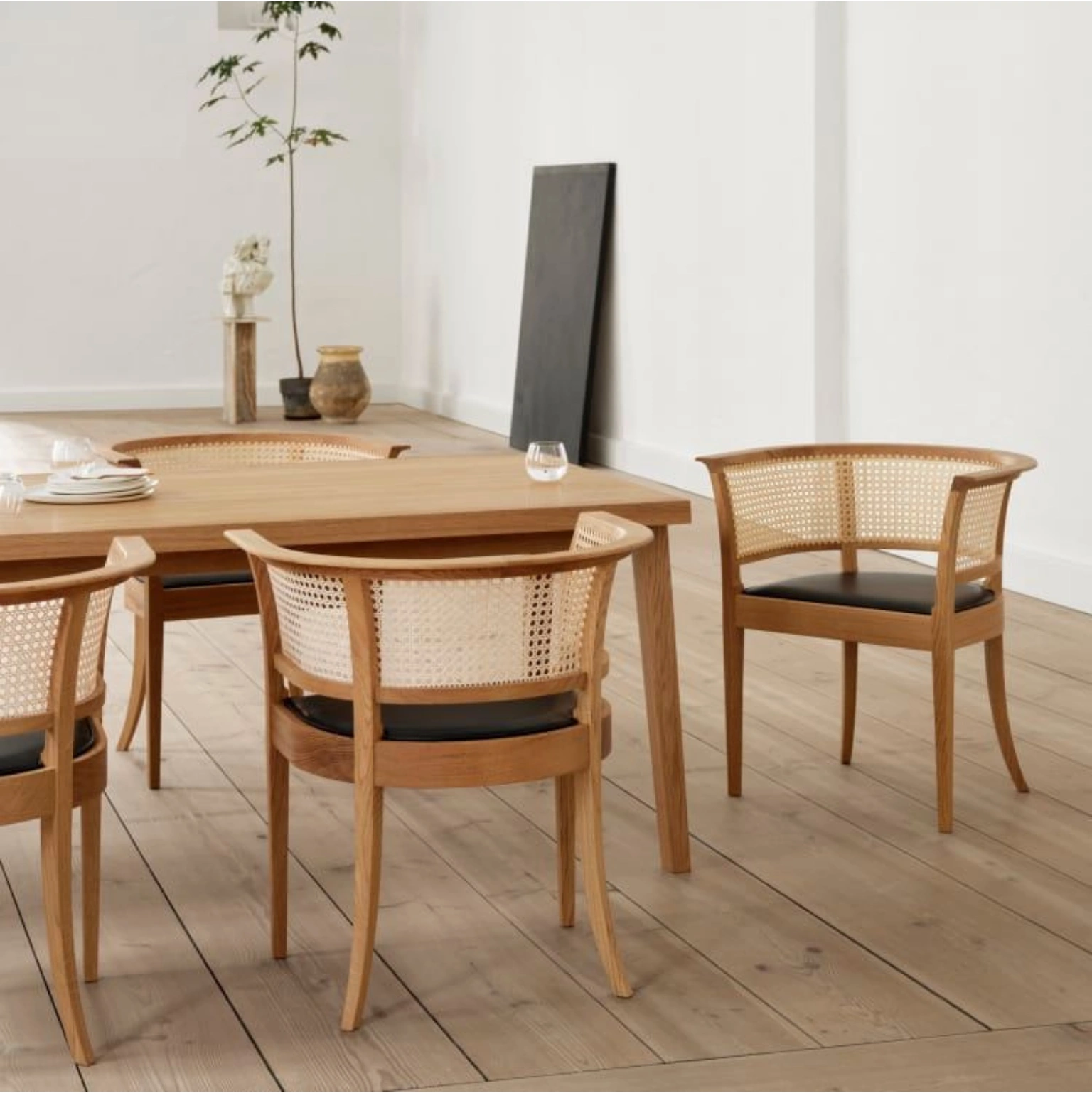
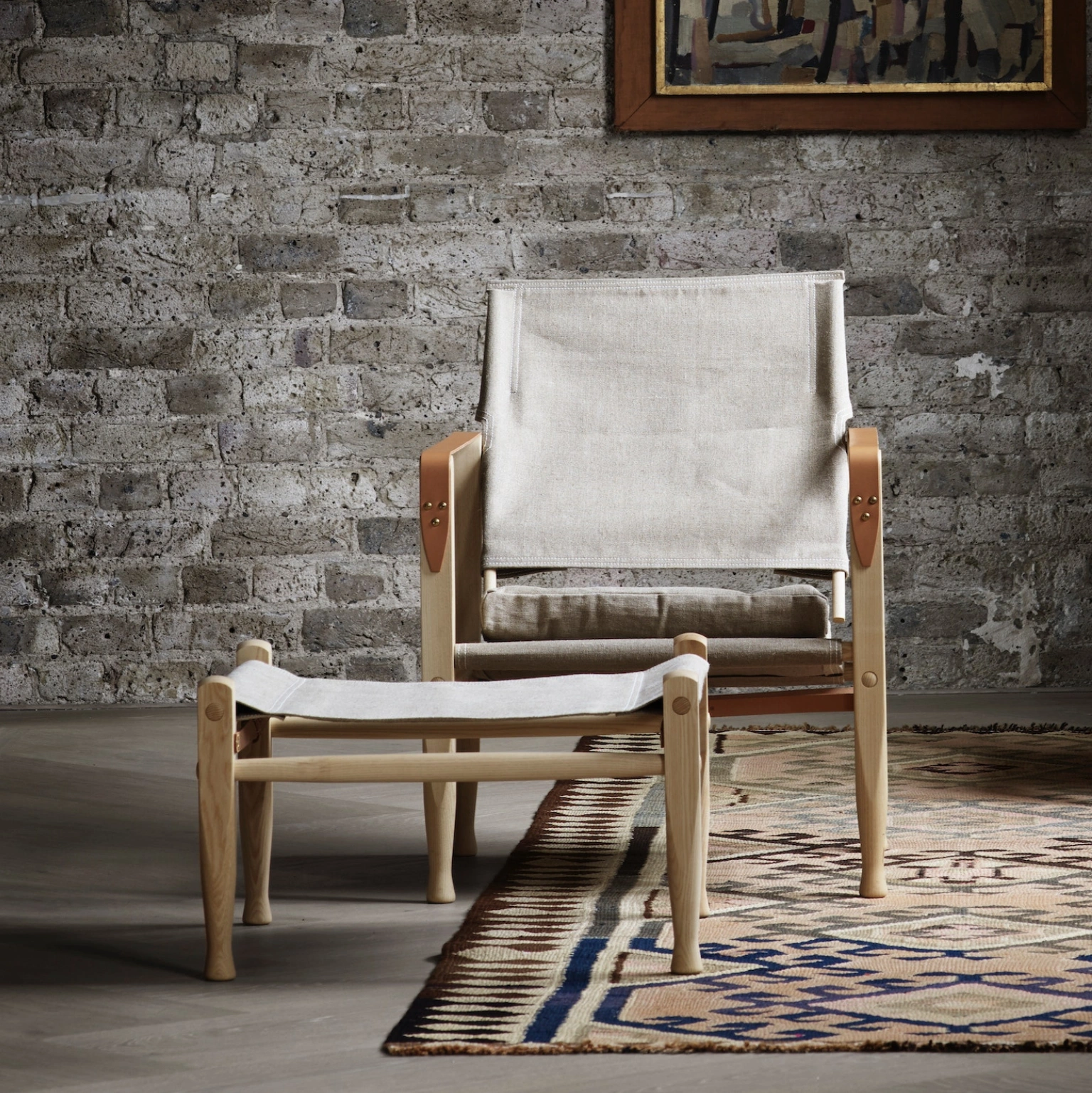
KK47000 Safari Chair
Introduced in 1950 by Kaare Klint, the Safari Chair is an exercise in simplicity, portability, and elegance. Constructed with a solid wood frame and taut canvas seat and back, the chair draws inspiration from colonial campaign furniture, combining minimalism with practicality.
The open design allows for breathability and lightweight portability, while the exposed joinery emphasizes the honesty of materials and construction. Each piece is hand-finished to ensure durability and lasting aesthetic appeal.
Today, the Safari Chair remains a benchmark of restrained modern design—functional, adaptable, and visually striking, reflecting Klint’s meticulous approach to proportion and craftsmanship.
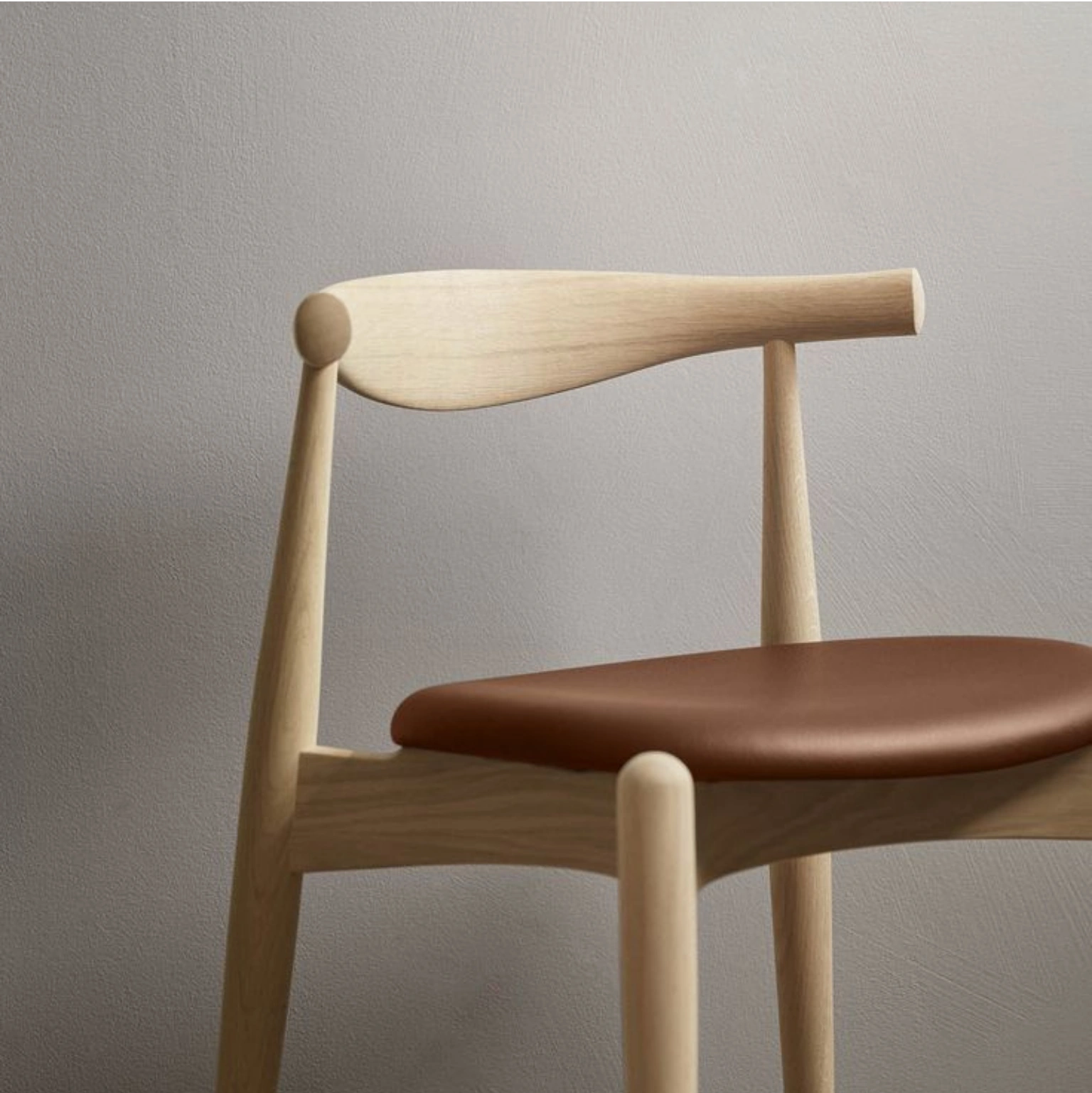
CH20 Elbow Chair
Designed in 1956 by Hans J. Wegner, the CH20 Elbow Chair embodies simplicity, comfort, and refined craftsmanship. Although conceived in the mid-20th century, it was not produced until 2005 when modern techniques enabled its construction.
The chair features a single-piece steam-bent wooden backrest, elegantly curved to provide both support and flexibility, gently cradling the sitter. Its low, horizontal profile makes it ideal for dining spaces, offering comfort without visual clutter.
Hand-upholstered in fabric or leather over a molded veneer seat, the CH20 balances practicality and beauty. Its timeless design remains a testament to Wegner’s genius in uniting form, function, and understated elegance.
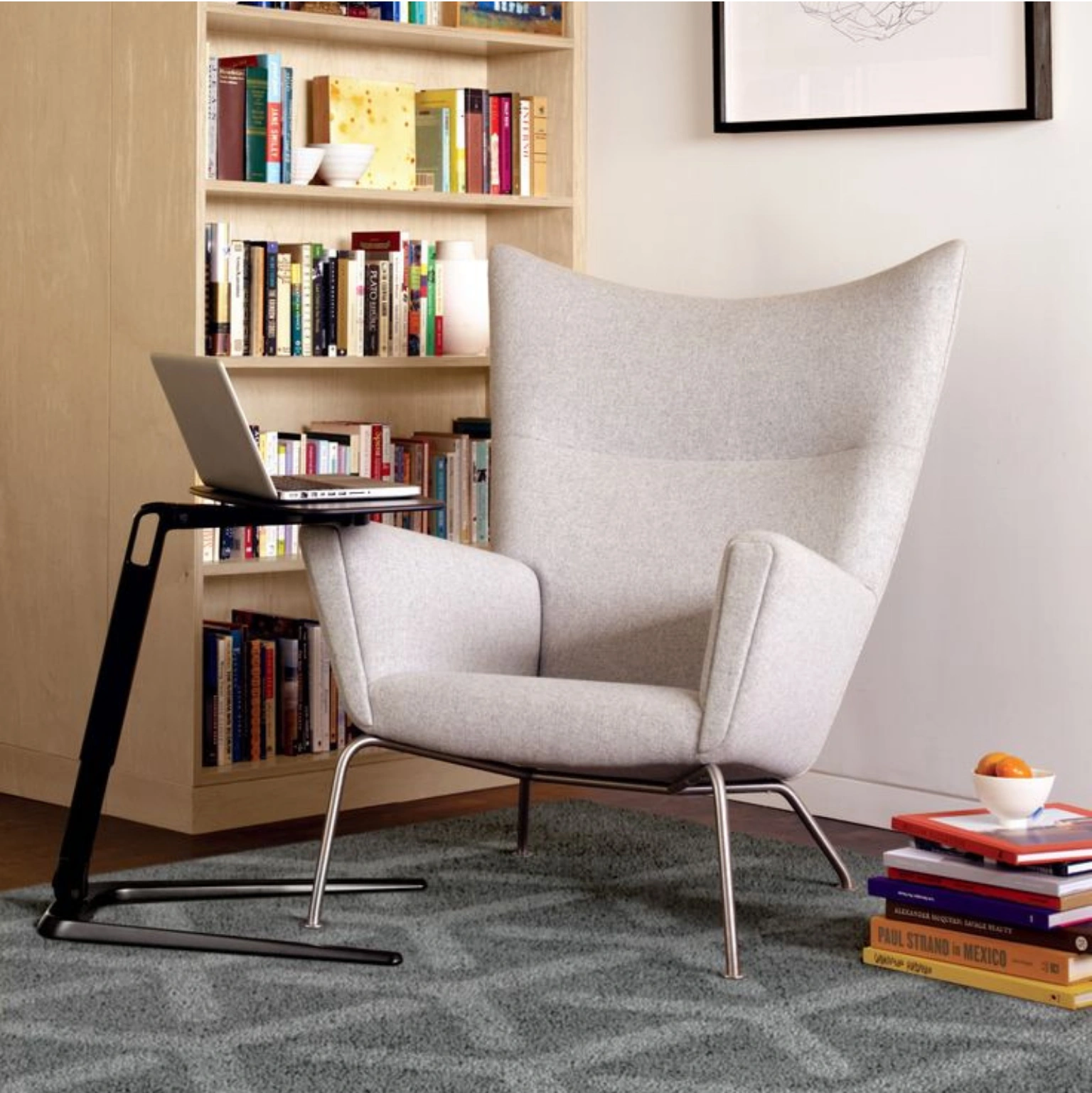
CH445 Wing Chair
Introduced in 1960, the CH445 Wing Chair is a testament to Wegner’s mastery of sculptural seating. Its tall, winged backrest and gently angled arms offer both visual drama and enveloping comfort, making it a distinctive lounge piece.
The chair’s solid wood frame, combined with precise upholstery, ensures durability while maintaining a light, refined silhouette. Every angle is carefully considered, demonstrating Wegner’s commitment to ergonomics, craftsmanship, and proportion.
Today, the CH445 Wing Chair is recognized as an iconic piece of Noridc modern design-functional, elegant, and expressive, perfectly balancing artistic presence with human-centered comfort.
PP Møbler
Flag Halyard Chair
One of Hans J. Wegner’s most daring experiments, the Flag Halyard Chair blends industrial rigour with organic warmth. Its stainless steel frame forms a precise skeleton, meticulously wrapped in hundreds of meters of hand-tied flag line, creating a tension that feels both strong and delicate. A long-haired sheepskin draped across the seat softens the structure, inviting the sitter to linger. The chair balances weight and airiness, functionality and sculptural presence, making it a bold statement of Nordic modernism where craftsmanship meets invention.
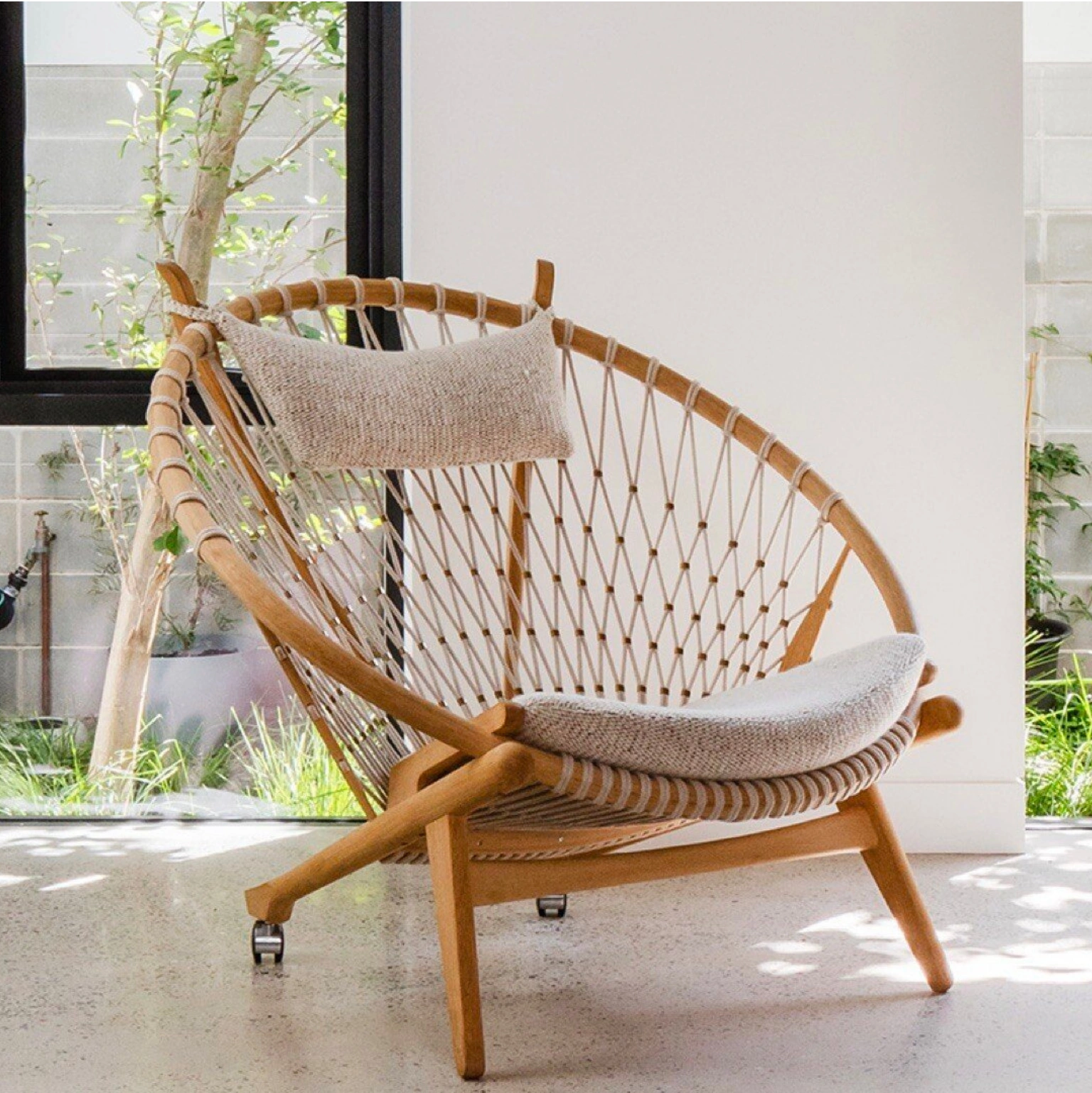
Circle Chair
The Circle Chair is a late-career masterpiece that defies gravity and convention. Its generous circular frame, suspended in hand-woven cord, appears to float while enveloping the sitter in a gentle embrace. Every element, from the polished wooden frame to the meticulously woven seat, reflects supreme craftsmanship. The chair is simultaneously playful, airy, and serene — a rare creation that functions both as comfort and sculpture, capturing Wegner’s genius for marrying form and experience.
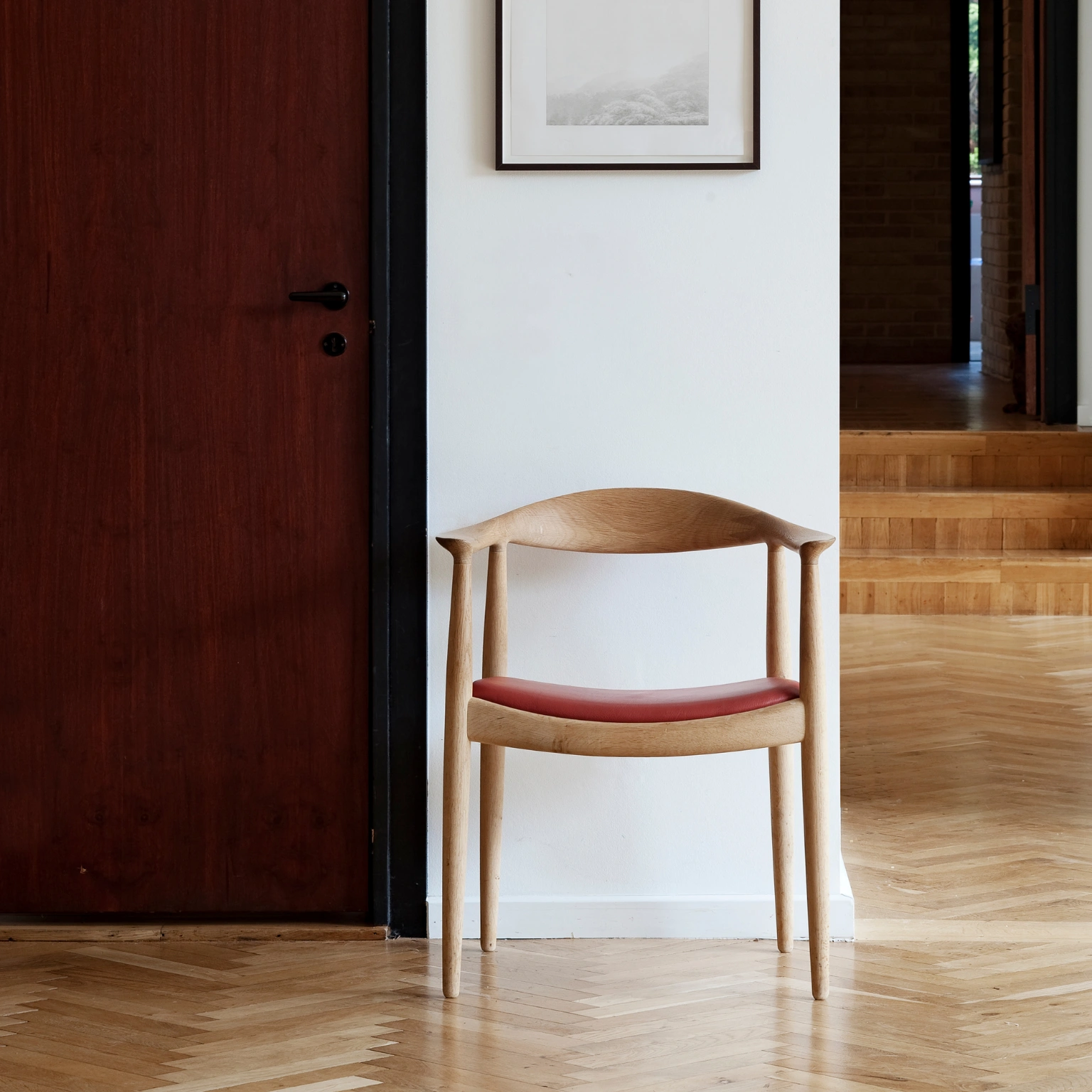
Kennedy Chair
A chair that exudes elegance and intimacy, the Kennedy Chair combines continuous, flowing armrests with a hand-woven cane seat to create a sense of seamless harmony. Its proportions are refined yet inviting, offering both visual poise and physical comfort. The chair’s reputation as “one of the most beautiful chairs in the world” speaks to its perfect balance of artistry and utility — a timeless emblem of Nordic design’s global influence
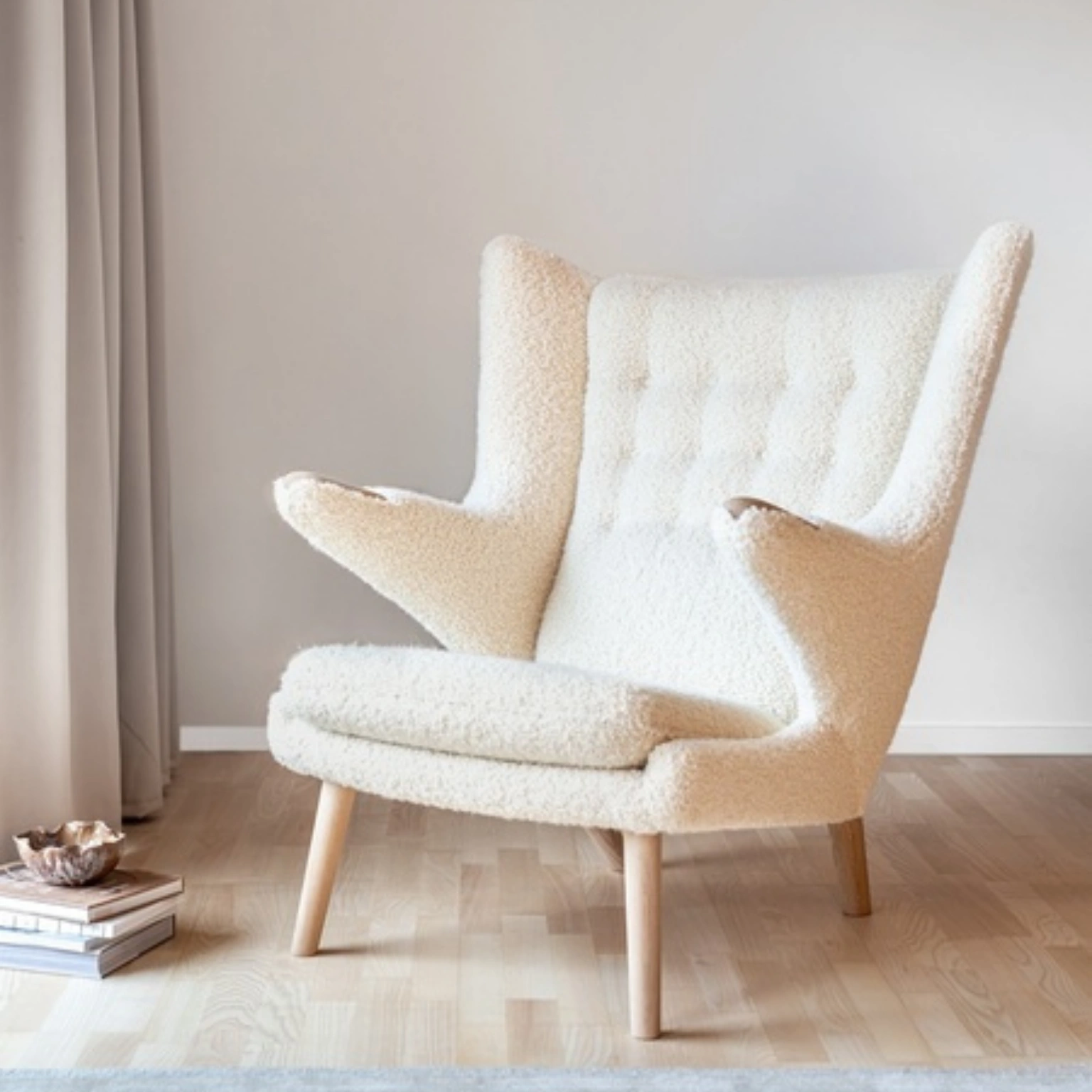
Papa Bear Chair
The Papa Bear Chair is bold, playful, and embracing. Its generously upholstered body is paired with wide, sculpted wooden arms, earning its nickname for the way it seems to hold the sitter like a protective bear. Beneath its warm and inviting appearance lies precise joinery and meticulous craftsmanship. The chair’s sculptural presence and enveloping comfort make it both a statement piece and a functional haven, exemplifying the thoughtful intelligence of Wegner’s furniture design.
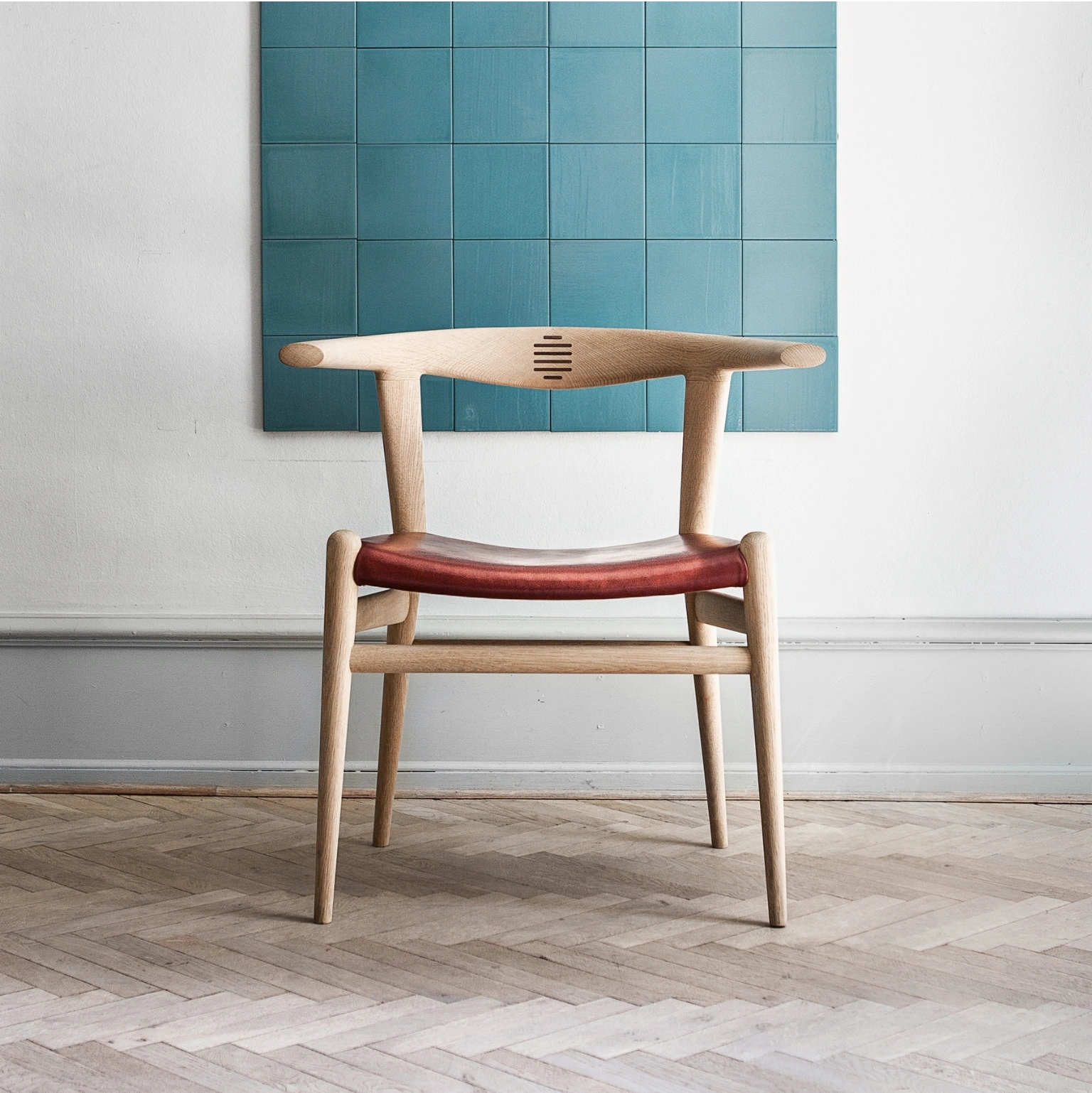
Bull Chair
Named for its distinctive horn-like armrests, the Bull Chair is one of Wegner’s most expressive creations. Its strong, angular forms convey power and confidence, while careful attention to balance ensures comfort and stability. Crafted with polished wood and meticulous detailing, the chair is simultaneously sculptural and functional — a bold centerpiece that transforms any room into a gallery of form and strength.
Valet Chair
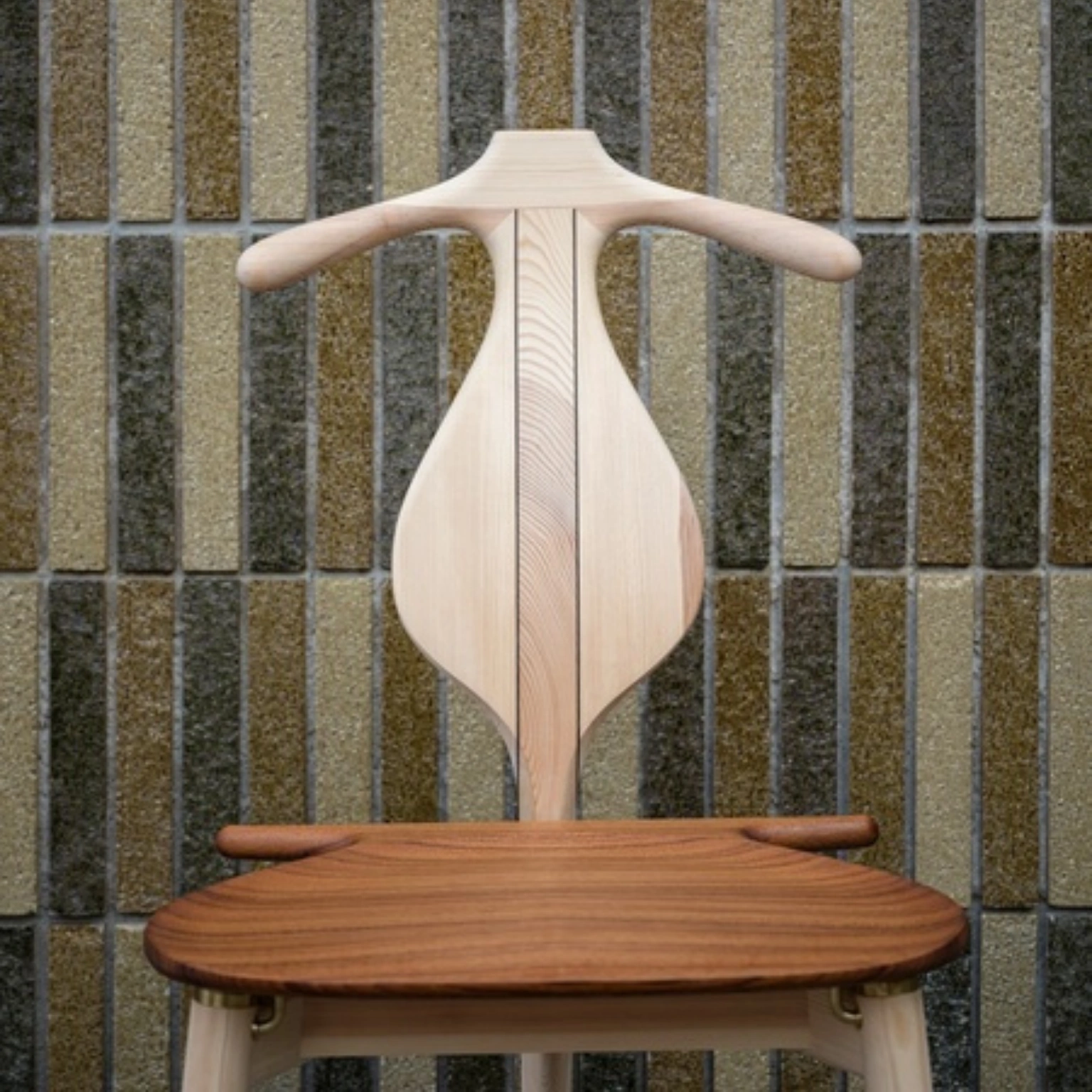
Wegner’s Valet Chair is part furniture, part sculpture. Its multifunctional design integrates a backrest that doubles as a coat hanger, a seat that lifts to reveal storage, and a graceful, minimal frame that is both practical and elegant. This ingenious combination of utility and artistry embodies Wegner’s belief that furniture should be witty, personal, and deeply functional, a subtle expression of how design can enhance everyday life.
Audo Copenhagen
Seal Chair
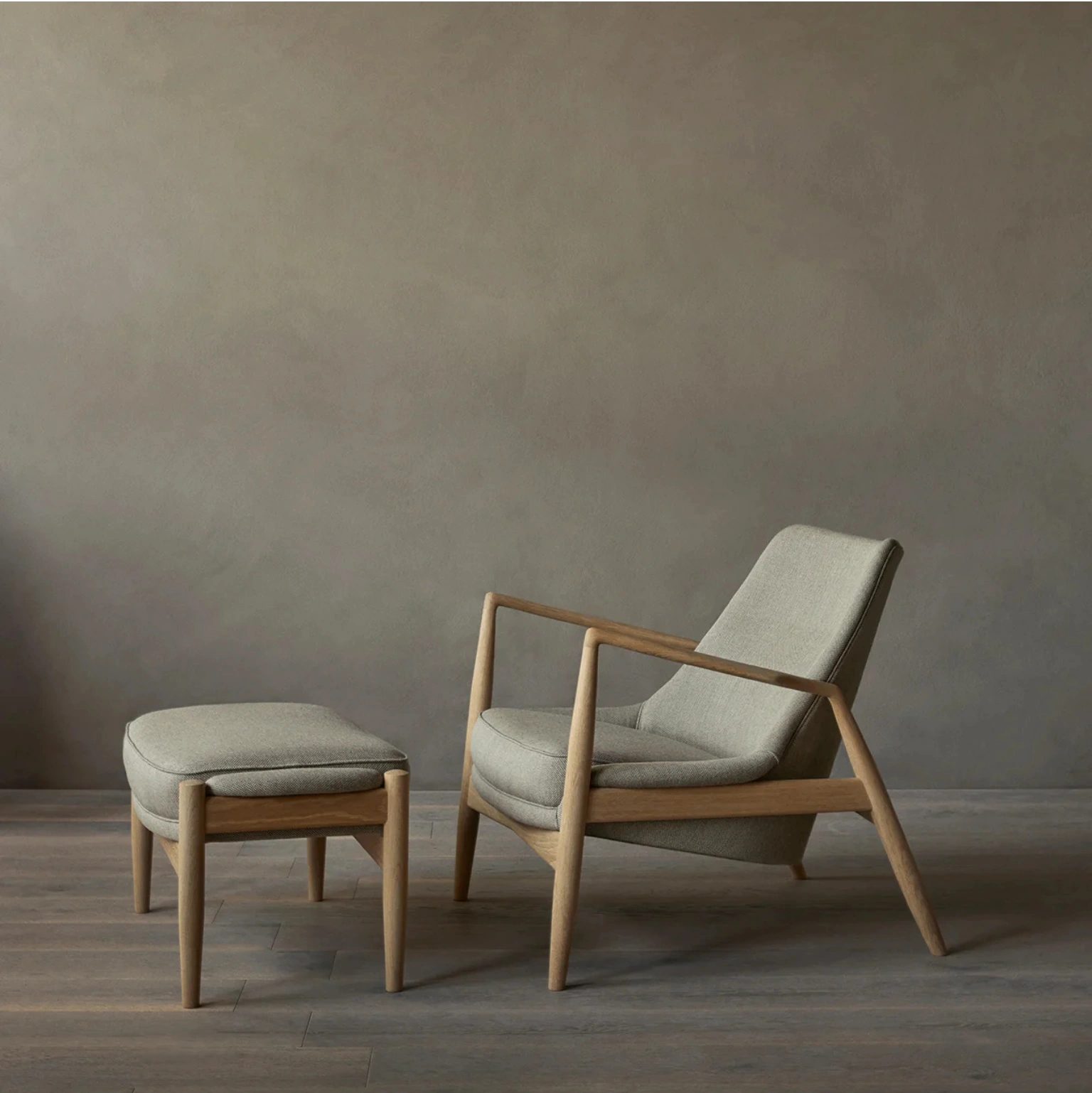
The Seal Chair, also designed by Ib Kofod-Larsen in the 1950s, is a mid-century classic celebrated for its lightness and elegance. Defined by a sculptural teak or oak frame and low-slung proportions, the chair conveys openness while maintaining ergonomic comfort.
Its refined details – the gently curved armrests, angled legs, and upholstered seat and back demonstrate Kofod-Larsen’s mastery of form. Named for its graceful, almost fluid stance, the Seal Chair embodies the effortless sophistication of Danish modern design.
The Tired Man Chair
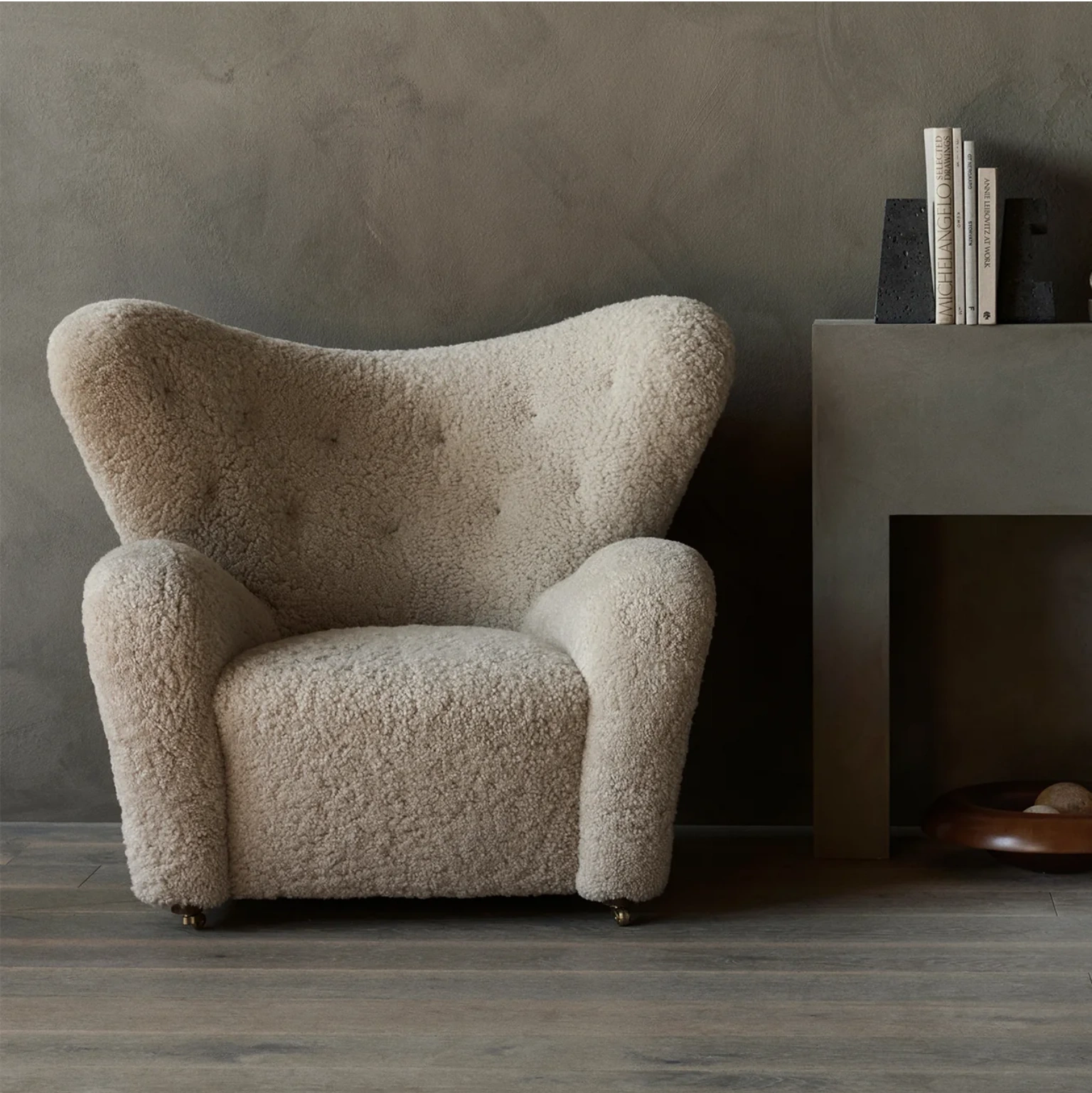
Unveiled in 1935 by Flemming Lassen, The Tired Man chair is one of the most beloved icons of Danish functionalism. With its enveloping form, oversized armrests, and deep seat, the chair was described by Lassen himself as “like a polar bear cub embracing you.”
Upholstered in sheepskin or fabric, and supported by solid wood legs, it exudes both playfulness and comfort. Designed during a period when modernism was still finding its voice in Denmark, The Tired Man reflects Lassen’s unique ability to merge sculptural character with human warmth.
Elizabeth Chair
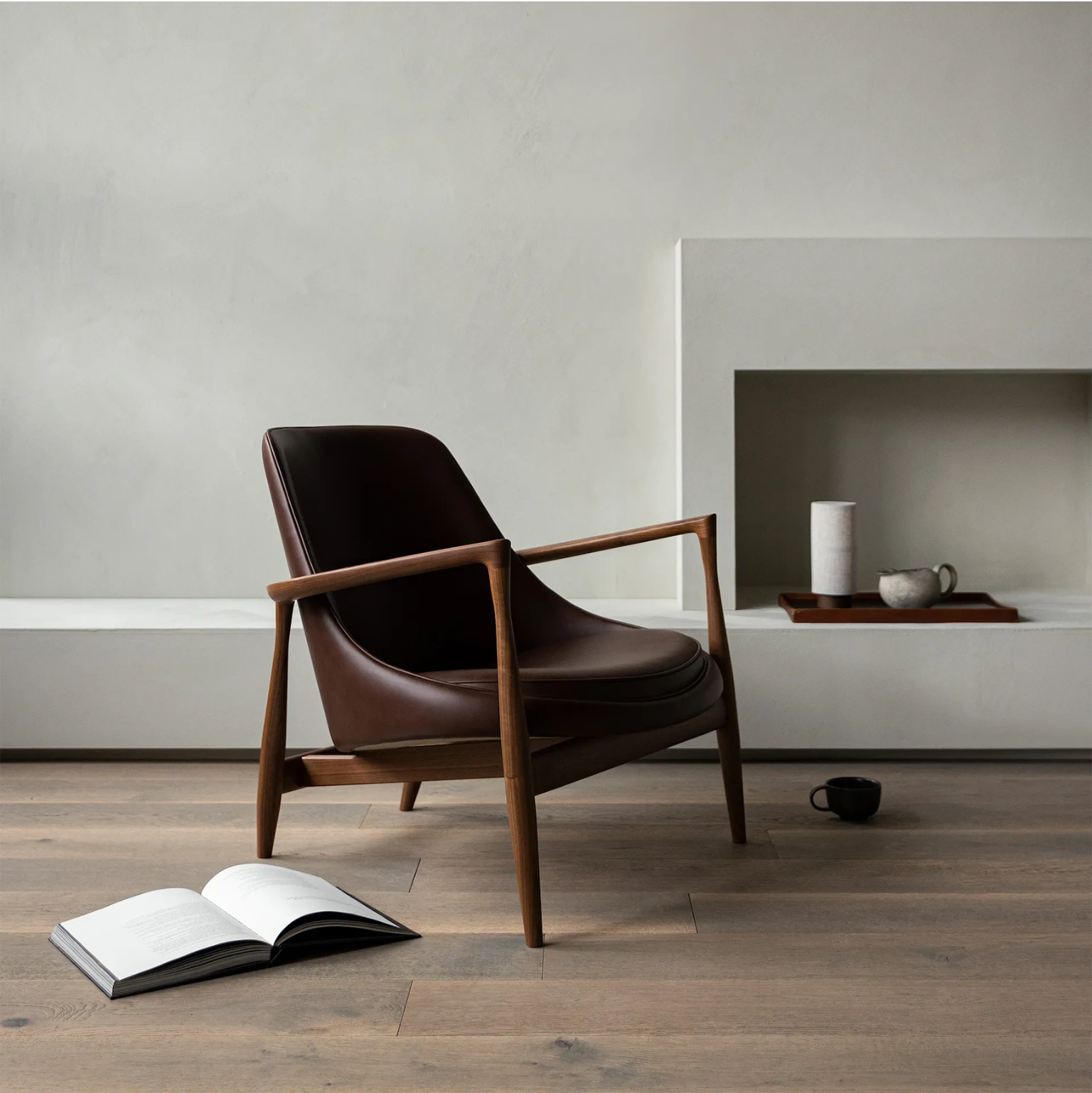
Created in 1956 by Ib Kofod-Larsen, the Elizabeth Chair earned its regal nickname after Queen Elizabeth II purchased two on a visit to Copenhagen. The chair’s generous proportions, angled back, and tapered armrests create a silhouette that is both commanding and elegant.
Crafted in oak or walnut with luxurious upholstery, the Elizabeth balances strength with softness, embodying a sense of understated grandeur. Today, it remains one of Kofod-Larsen’s most iconic works an enduring statement of Danish design’s quiet authority.
My Own Chair
Designed in 1938 by Flemming Lassen, My Own Chair reflects the designer’s search for intimacy, comfort, and sculptural softness. With its rounded, enveloping form, the chair feels almost like a protective embrace, making it a true retreat within the home.
Originally created as a personal piece for Lassen’s own use, the chair was later put into production, quickly gaining recognition for its organic silhouette and plush comfort. Upholstered in rich textiles or sheepskin, it invites relaxation while standing as a poetic expression of Scandinavian modernism.
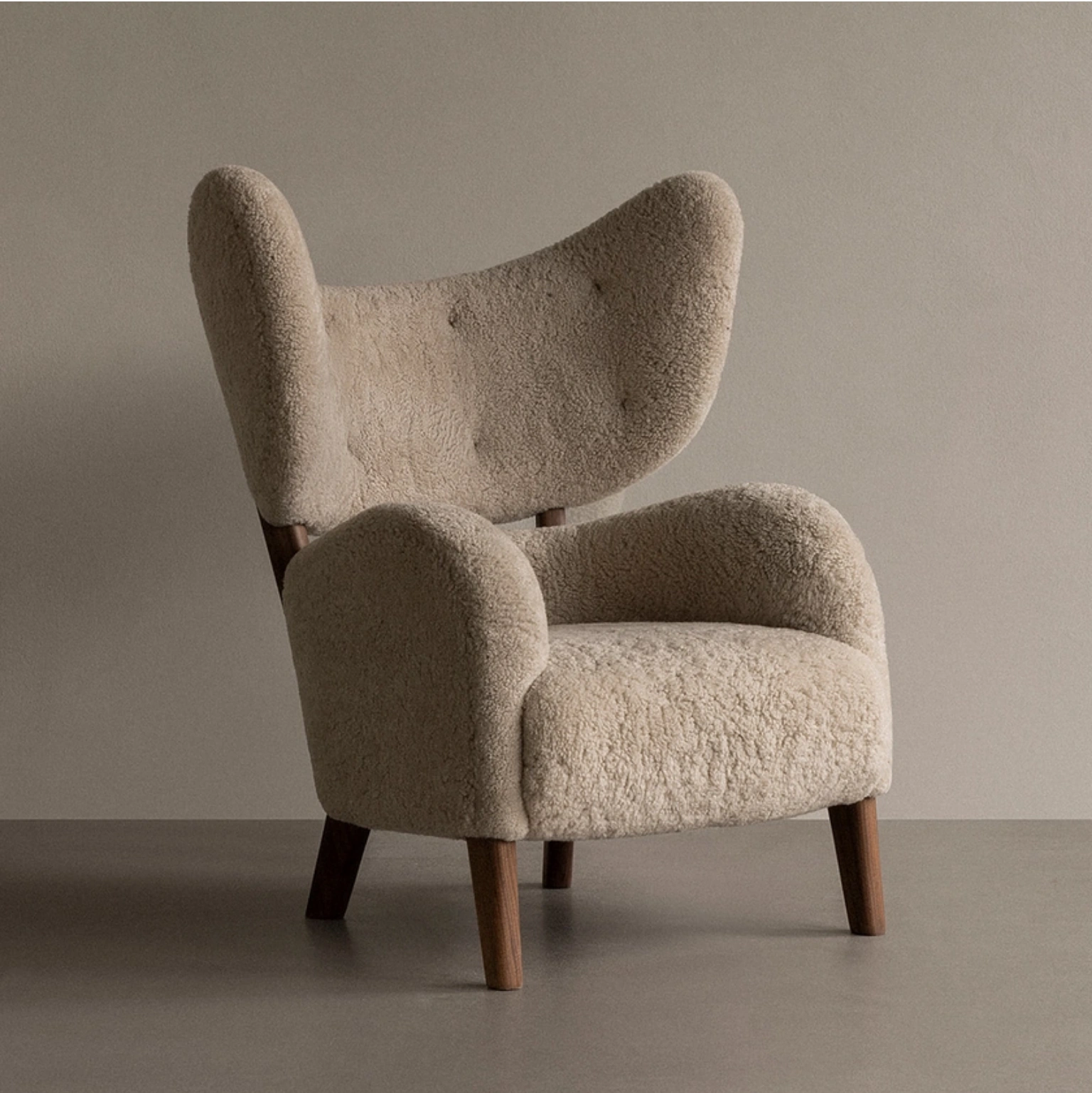
Pagoda Sofa
Inspired by Asian architecture and minimalism, the Pagoda Sofa interprets the layered elegance of pagodas through Danish restraint. Kofod-Larsen aimed to craft a sofa that was not only functional but also a quiet dialogue between cultures. Its low profile and subtly angled arms make it both sculptural and inviting. The Pagoda Sofa is iconic for showing that furniture can be a story — an experience where inspiration, craft, and comfort converge seamlessly.
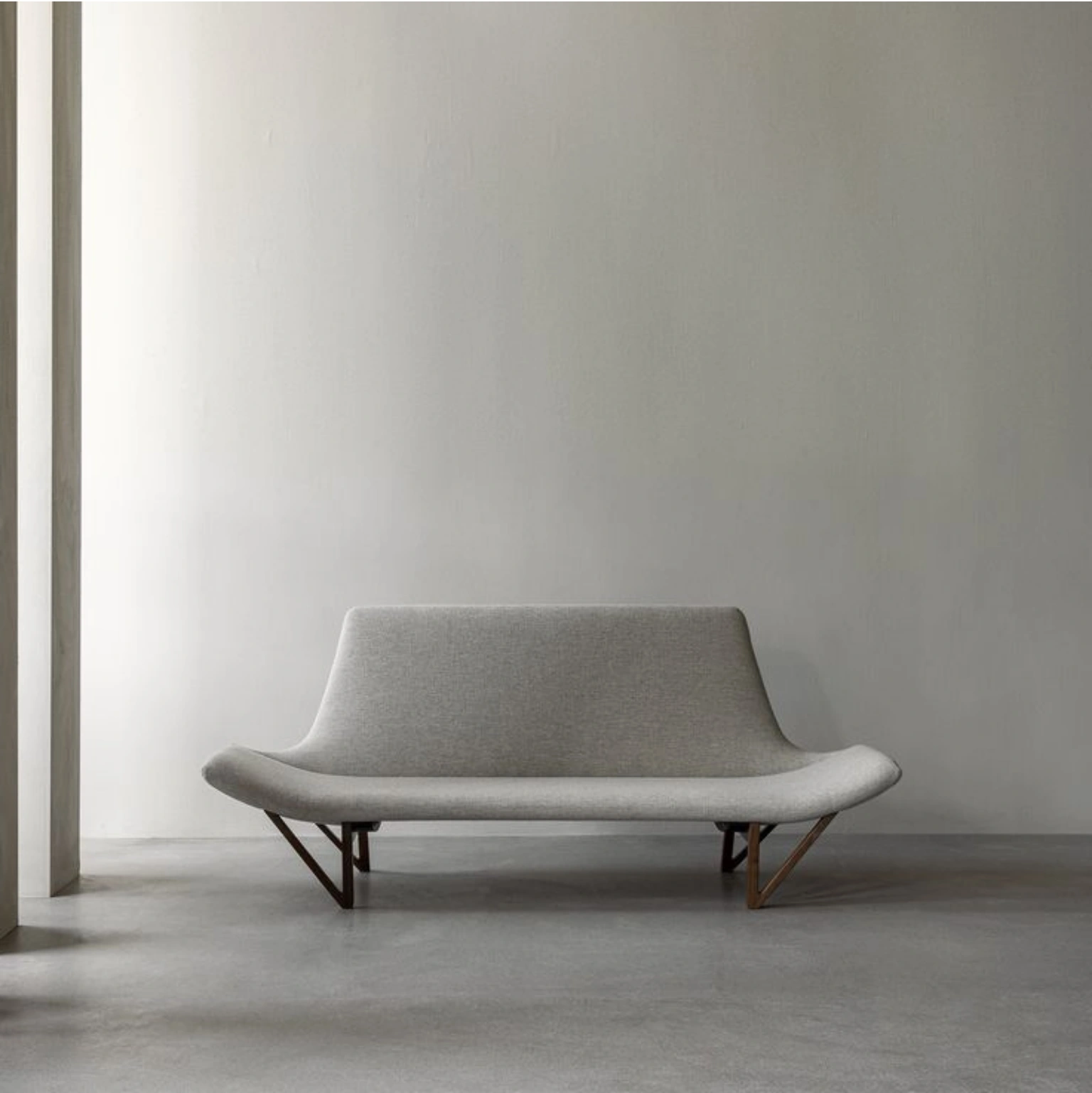
The Jager Table
The Jager Table is a masterclass in merging tradition, innovation, and functional elegance. Inspired by the classic trestle tables used in workshops and hunting lodges, Peter Kofod-Larsen reimagined the form for contemporary interiors. Its folding trestle legs allow versatility without sacrificing visual poise, while the solid wooden top exudes warmth and presence. What makes the Jäger Table iconic is its ability to transform a utilitarian object into a centerpiece of craftsmanship and design narrative. Every angle, joint, and proportion reflects Audo Copenhagen’s ethos: furniture that responds to daily life, celebrates thoughtful construction, and tells a story — of heritage, adaptability, and timeless design.
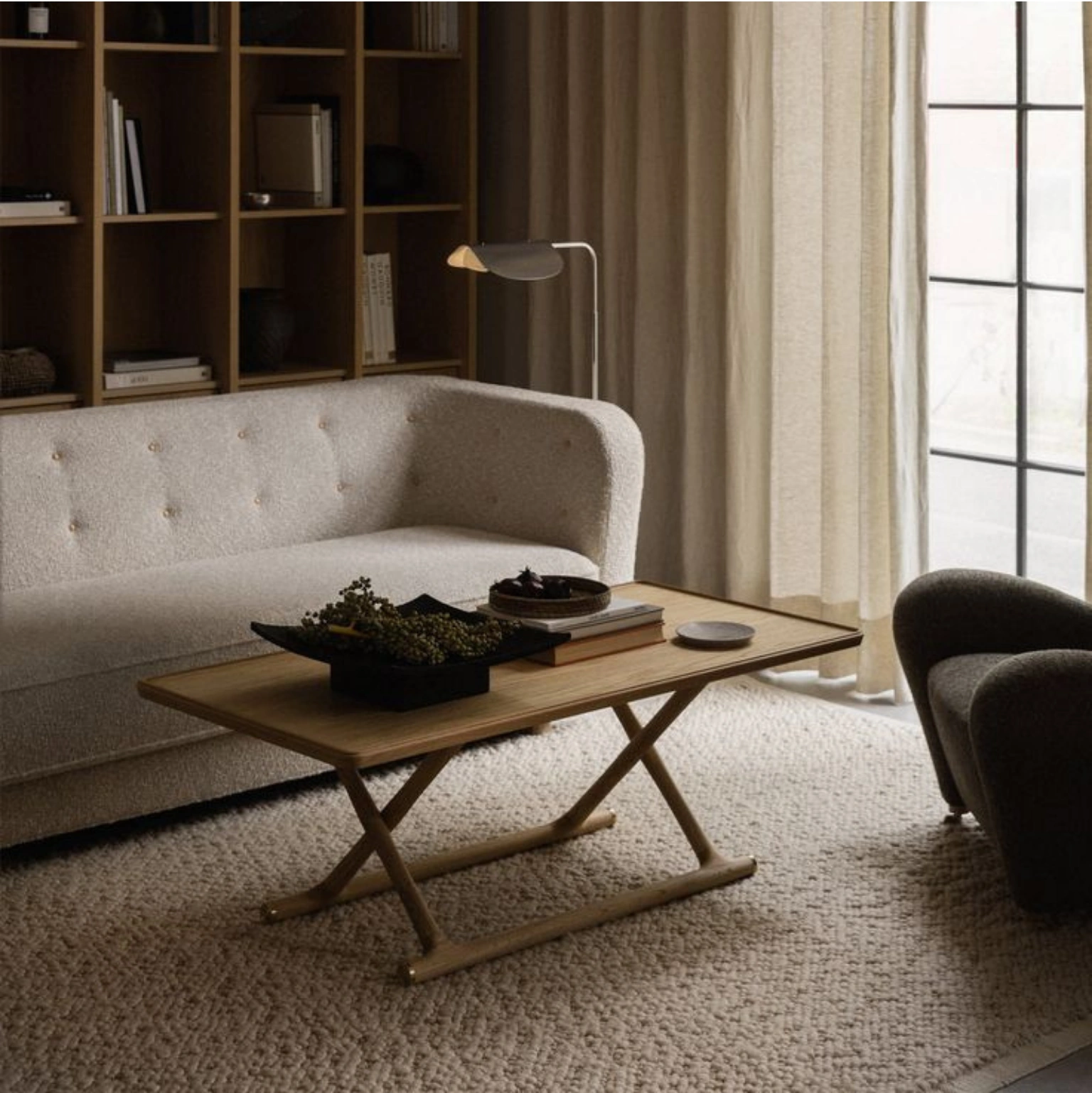
Knitting Chair
The Knitting Chair celebrates ritual, focus, and quiet moments. Inspired by the simple joy of sitting down to create, Peter Kofod-Larsen designed a chair that supports the sitter in posture, comfort, and presence. Its enveloping form gently cradles the body, while the carefully angled arms and supportive back allow hours of work or contemplation without strain. The hand-finished wooden frame and sculpted proportions reflect meticulous craftsmanship, while its aesthetic presence elevates it beyond a mere tool. Iconic for its blend of utility, elegance, and storytelling, the Knitting Chair embodies Audo Copenhagen’s philosophy that furniture should honor human activity, turning everyday tasks into moments of beauty and intention.
Design By US
Trip Lamp Series
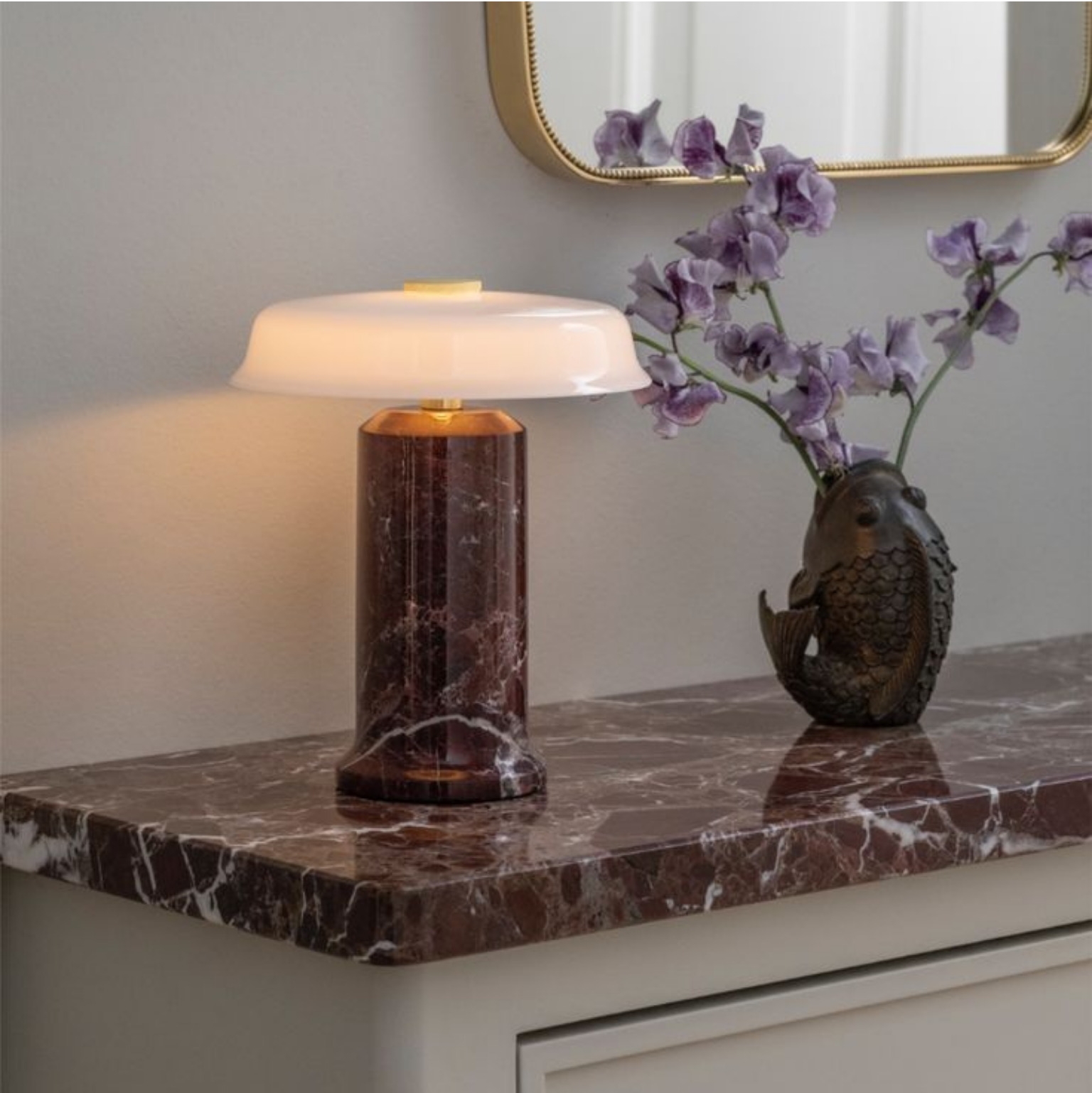
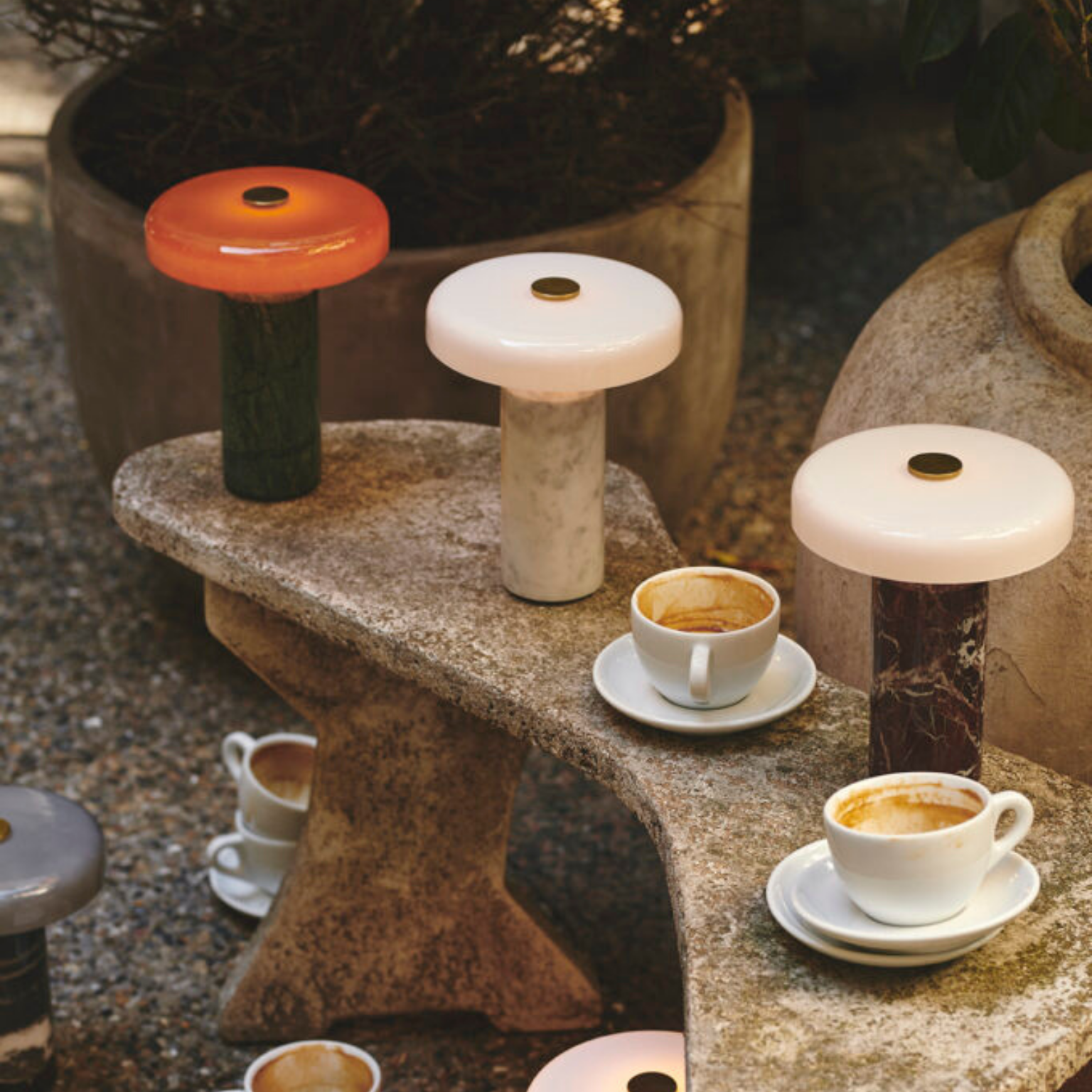
The Trip Lamp is a sculptural statement that fuses bold geometry with playful elegance. Its stacked, angular base and strong presence make it both a functional light and a work of art. Balancing humor with architectural precision, it transforms any space into a point of interest while casting a warm, inviting glow. Iconic for its combination of character, functionality, and sculptural expression, the Trip Lamp exemplifies Design By Us’ ethos of lighting as both art and utility.
New Wave Series
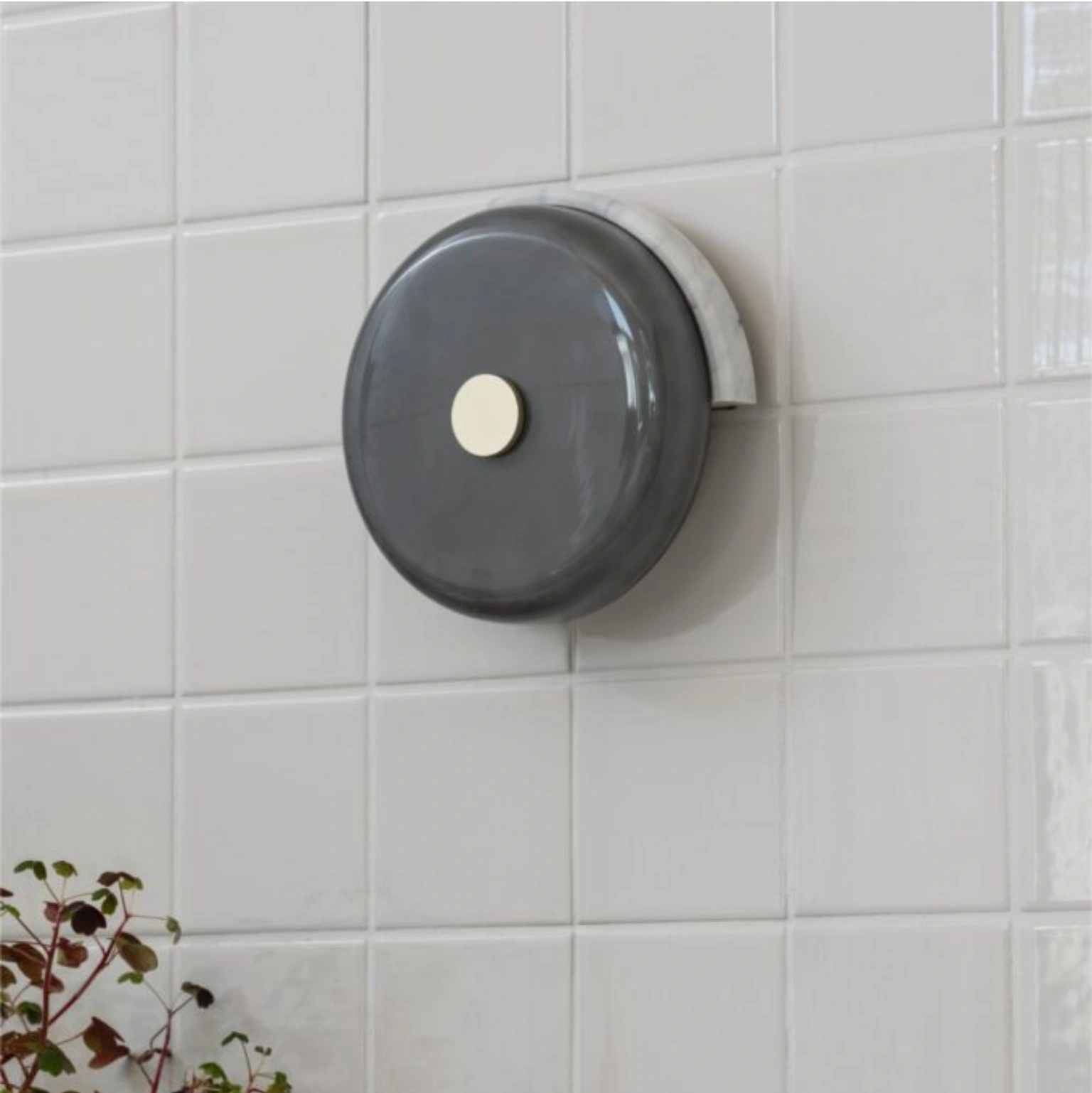
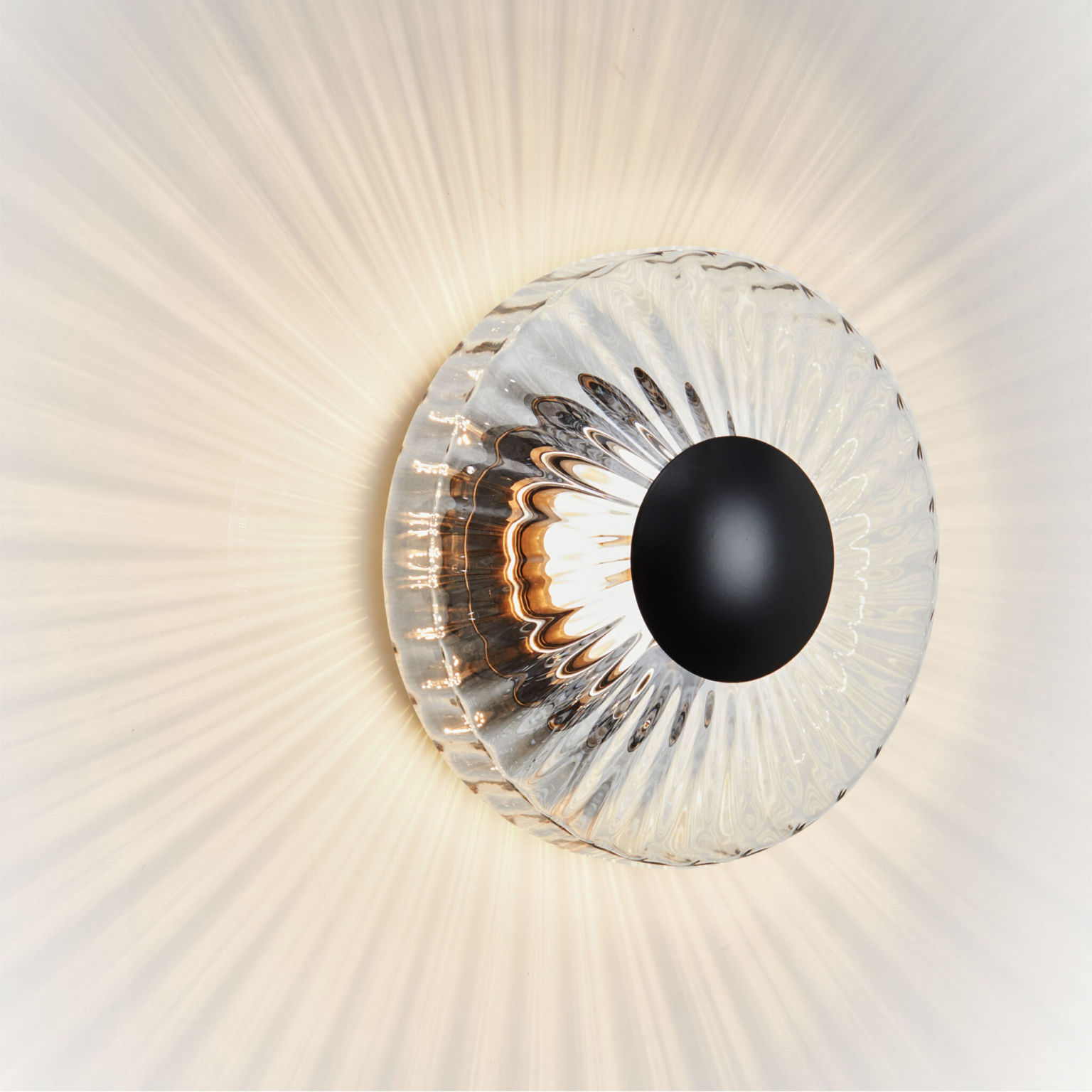
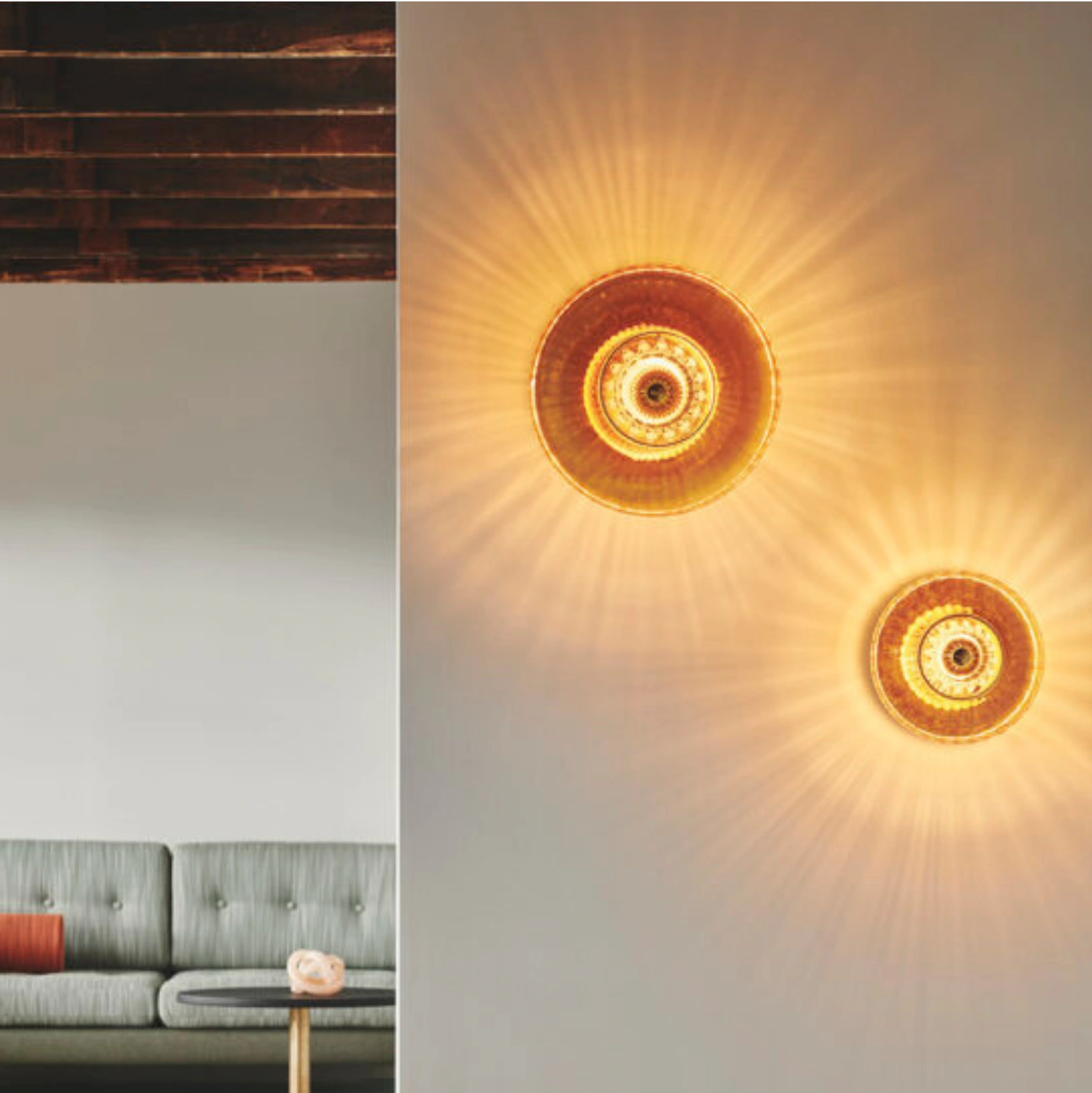
The New Wave Series is inspired by the movement of water and the fluidity of organic form. Its mouth-blown, wavy glass shades create a dynamic interplay of shadows and reflections, softly diffusing light throughout the space. Handcrafted details ensure that each piece is unique, while polished metal accents lend refinement and precision. Iconic for turning illumination into a sculptural experience, the series includes pendant, wall, and outdoor versions, making it versatile and visually captivating across any environment.
Micro Vintage Series
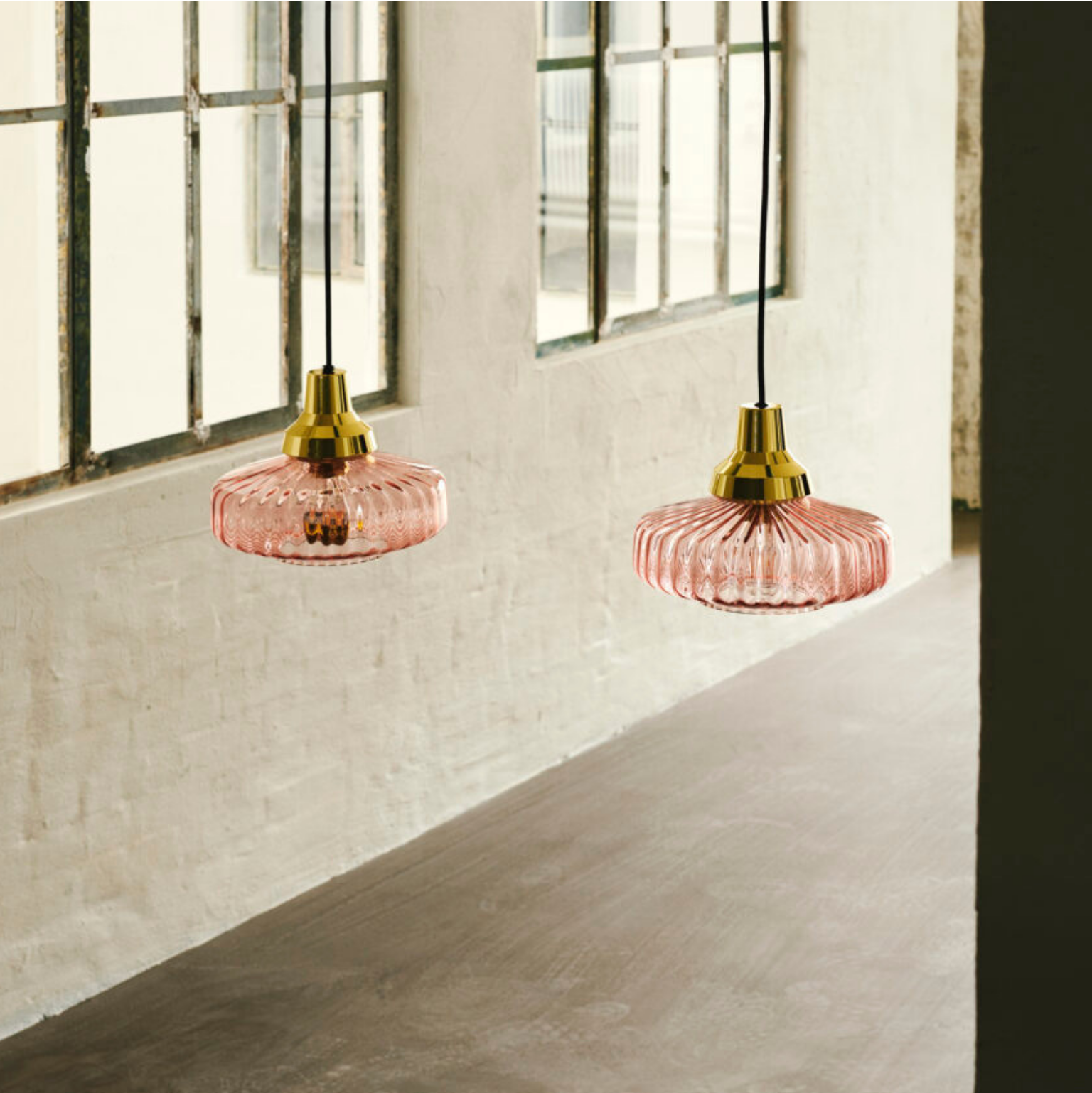
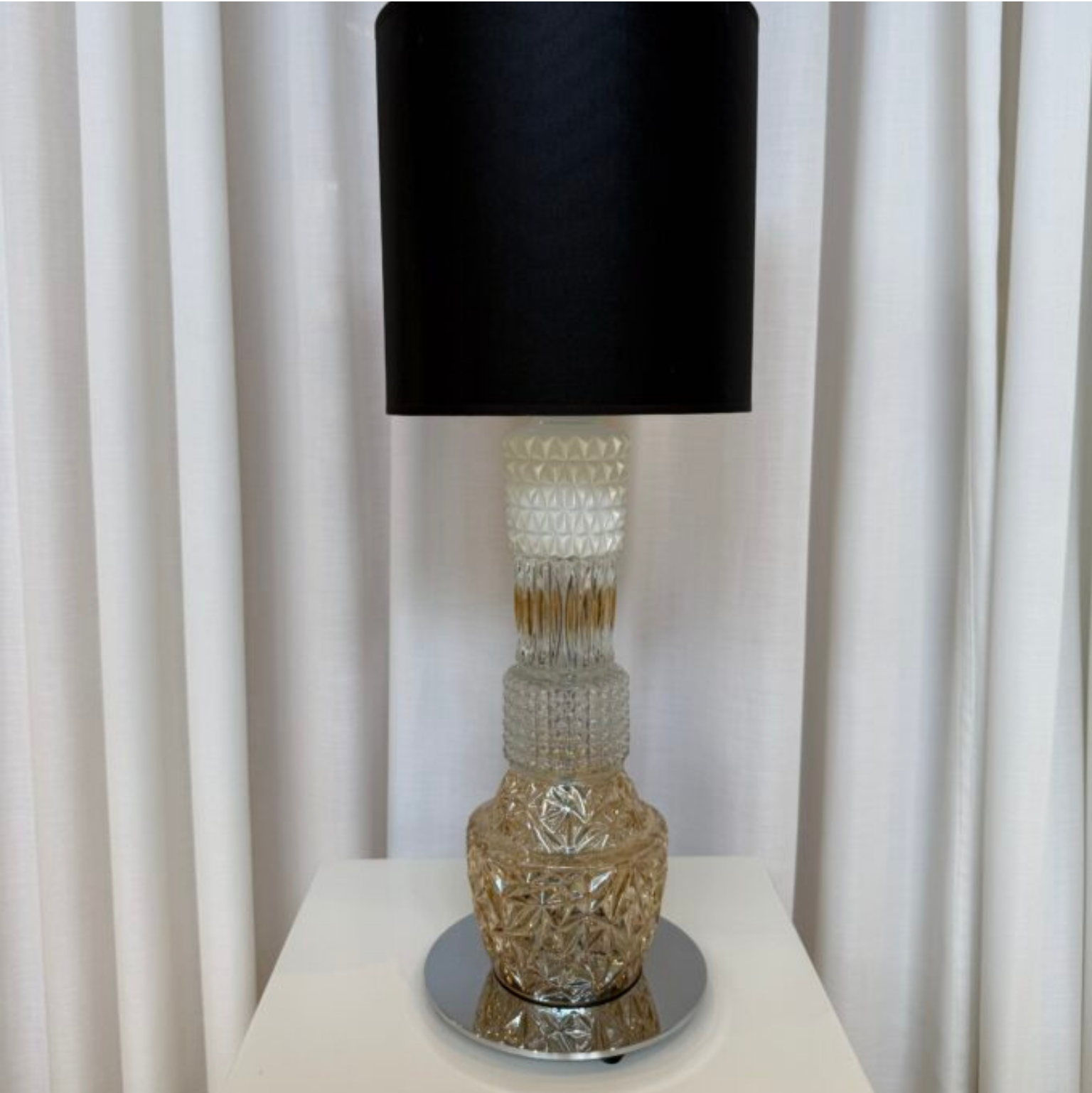
The Vintage Series reimagines mid-century design for modern interiors, combining nostalgia with contemporary sensibilities. Its mouth-blown glass shades and finely crafted metallic finishes evoke warmth, while bold proportions and subtle playful details give each lamp a distinctive personality. Each piece is handcrafted, creating small variations that enhance its uniqueness. Iconic for bridging past and present, the Vintage Series brings timeless elegance and approachable charm to any space.
Shahin Series
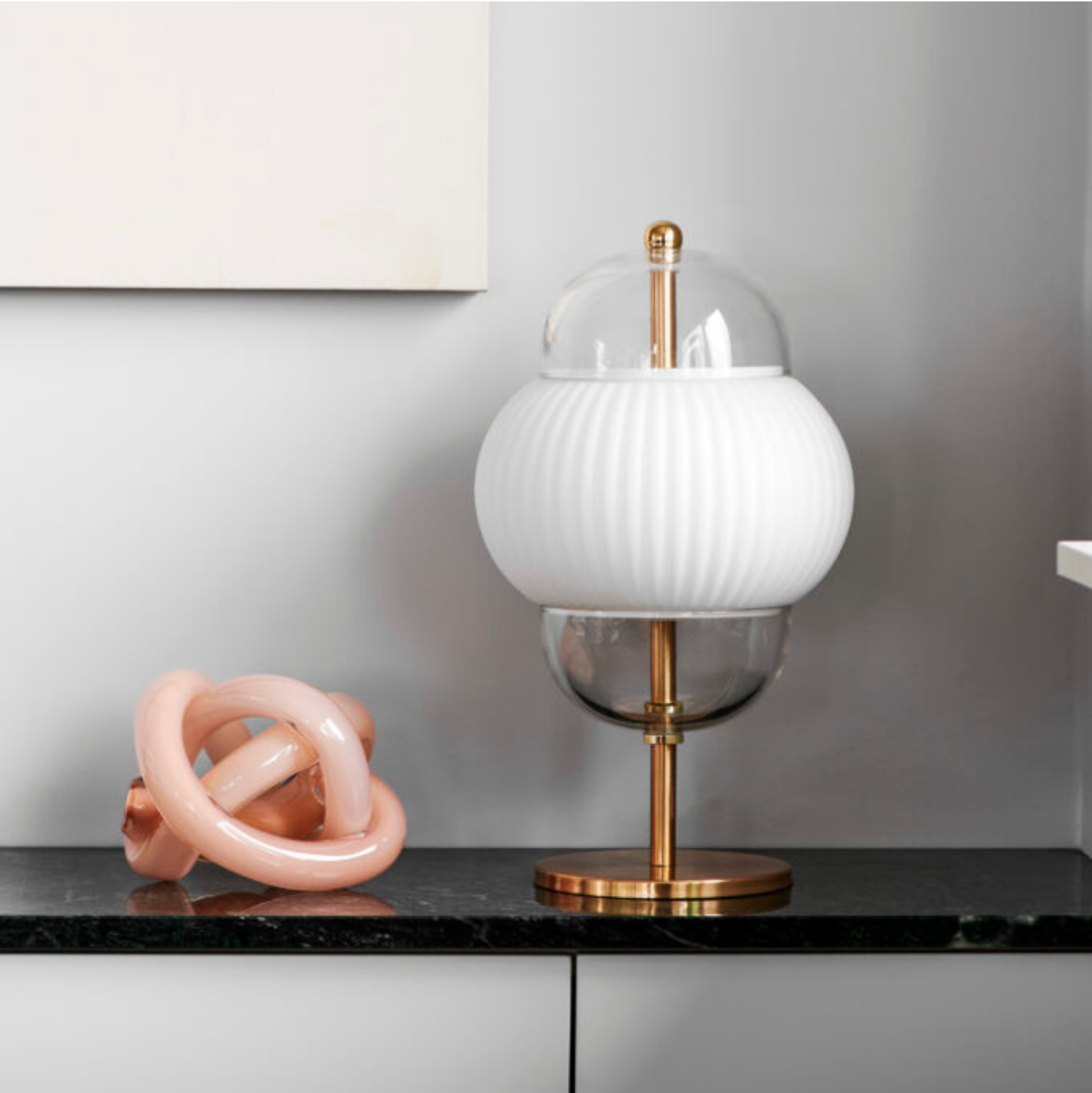
The Shahin Series embodies drama and sophistication. Its layered glass and metallic details create a commanding presence, while the warm glow softens its sculptural silhouette. Inspired by contemporary architecture and artful form, each lamp is handcrafted to highlight subtle nuances, making it unique. Iconic for melding expressive design with functional lighting, the Shahin Series transforms interiors into elegant, visually striking spaces.
Night Rider Series
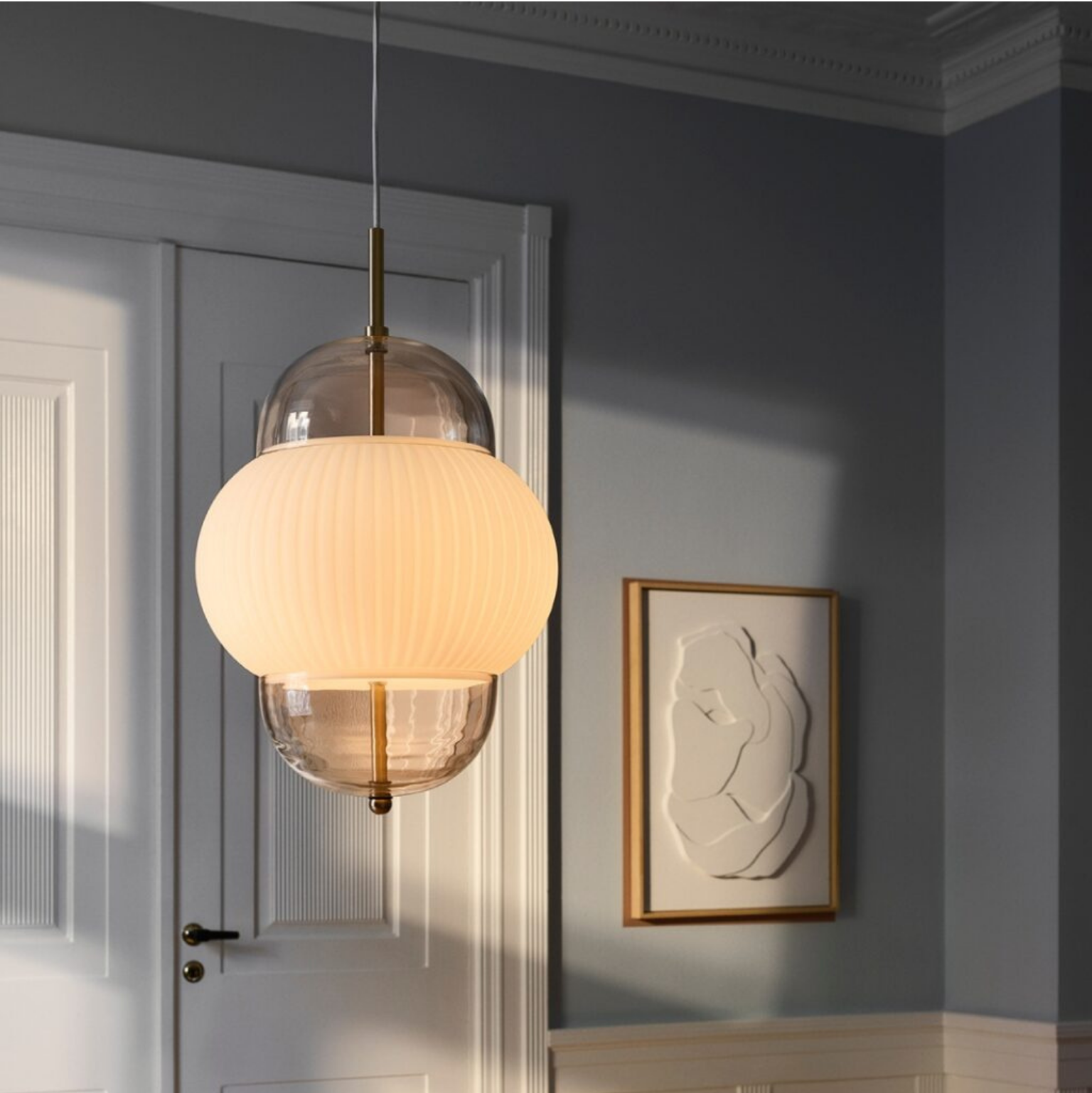
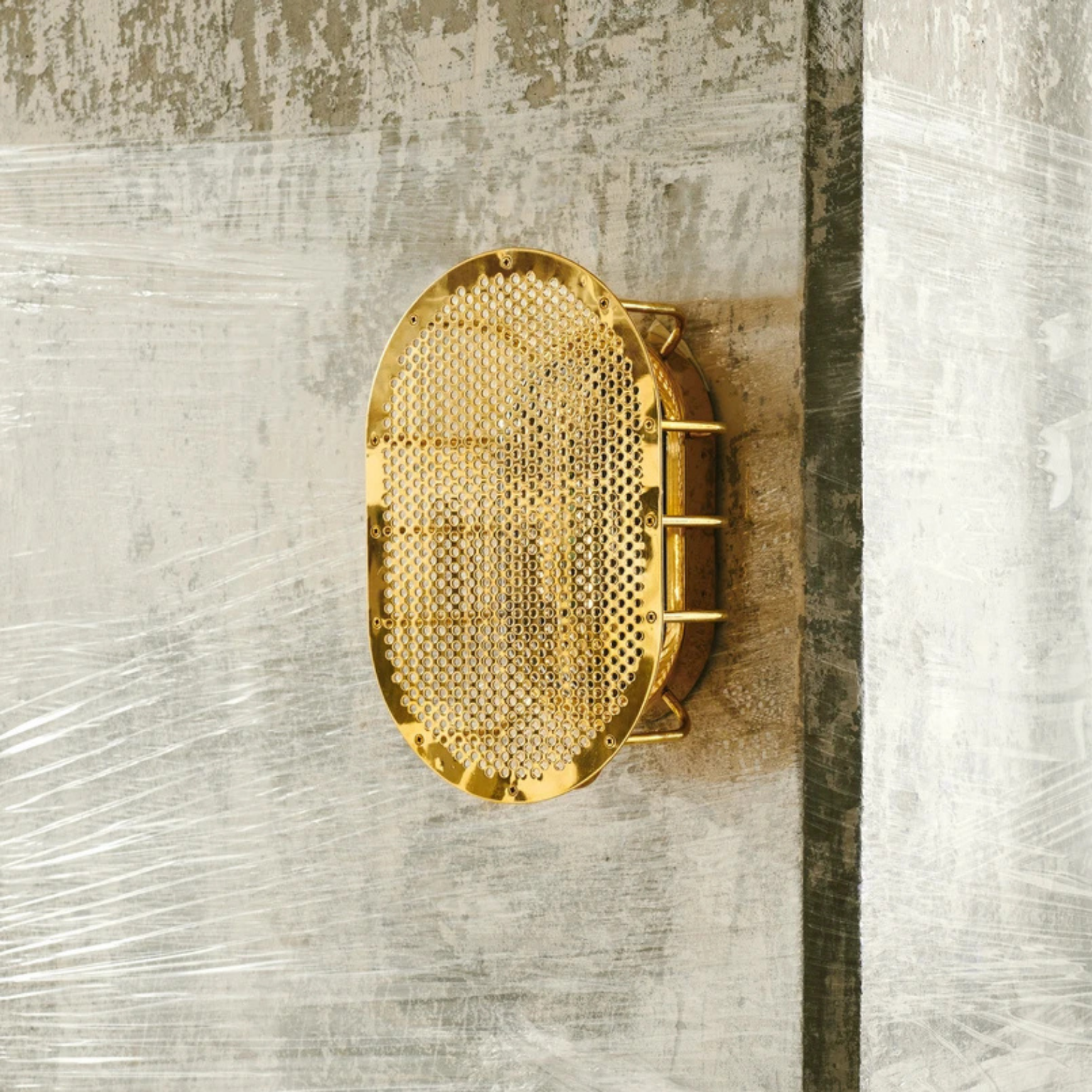
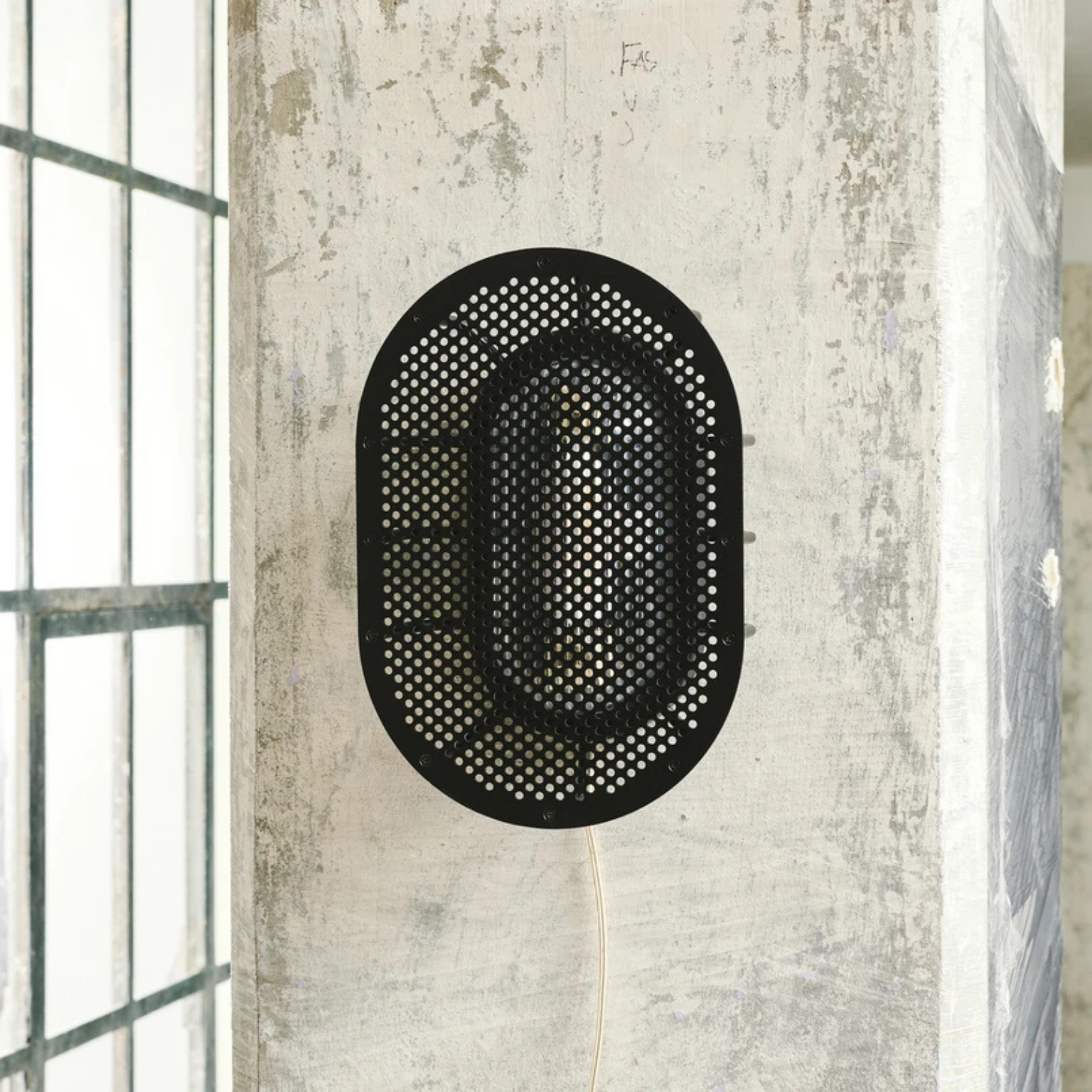
The Night Rider Series emphasizes mood, narrative, and sculptural presence. Its smoked glass shades, sleek frames, and balanced proportions create subtle drama, casting soft, atmospheric light. Designed to intrigue visually while remaining functional, it is iconic for its cinematic aesthetic and sculptural elegance, demonstrating how lighting can transform both the look and the experience of a space.
Louis Poulsen
PH5 Pendant
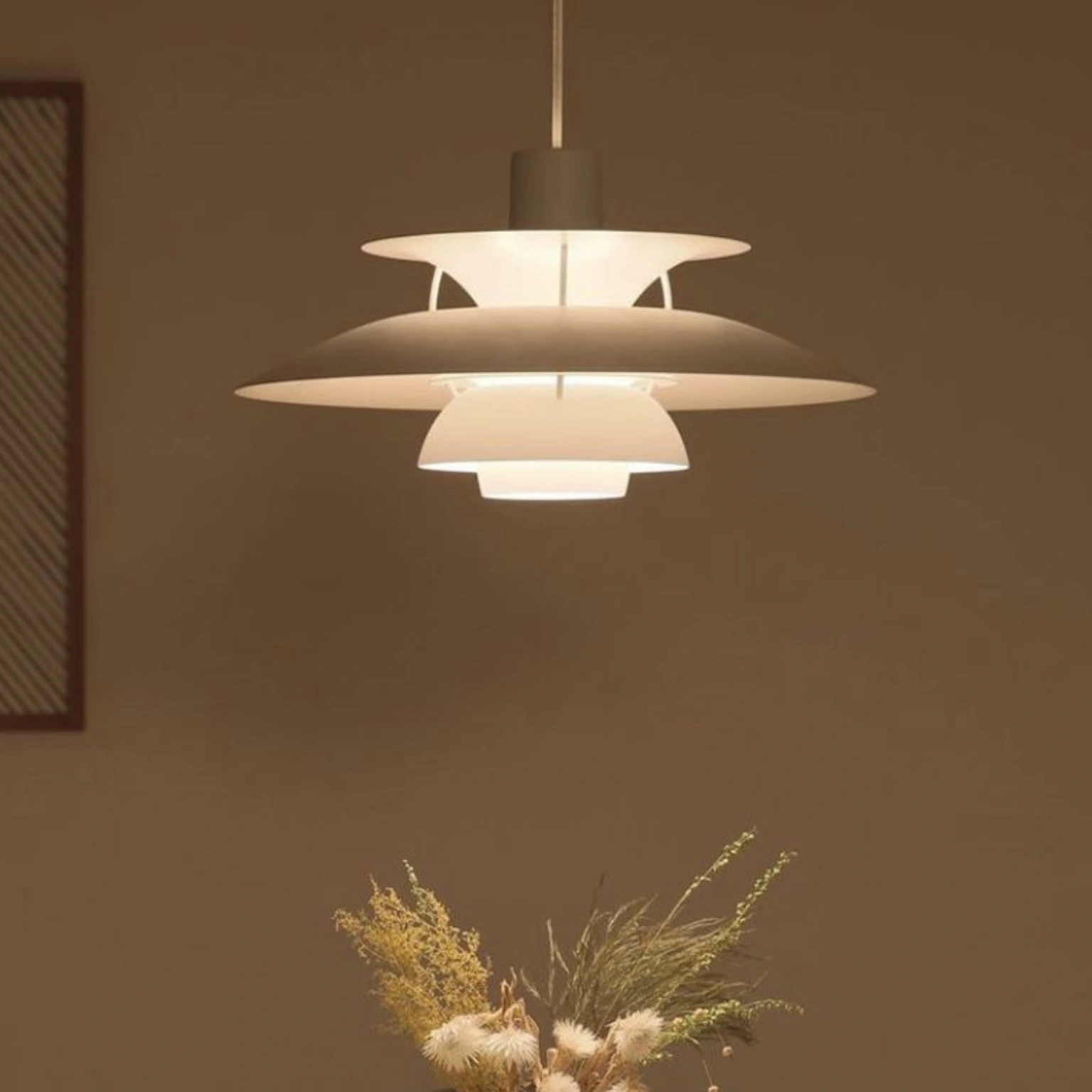
The PH5 Pendant, designed by Poul Henningsen, was created to solve the problem of harsh glare while providing soft, even illumination. Its layered shades direct light precisely where needed, creating a warm, comfortable glow that transforms any space. Inspired by Henningsen’s belief that light should enhance human experience, the PH5 combines technical innovation with timeless elegance. Iconic for its clever engineering and enduring beauty, it remains a cornerstone of Danish modern lighting.
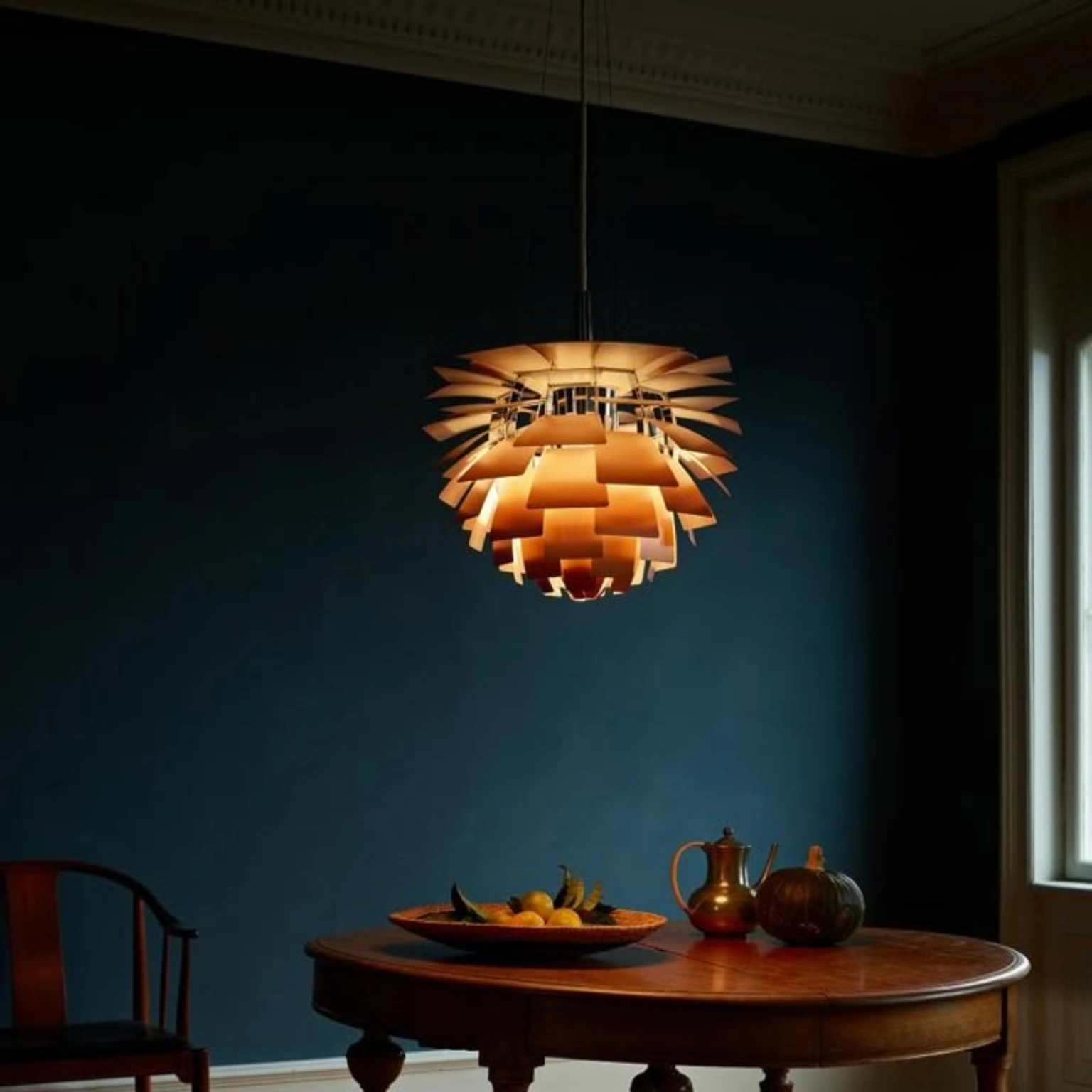
Artichoke
The Artichoke Lamp is a sculptural masterpiece by Poul Henningsen, inspired by the layered geometry of natural forms. Its overlapping metal “leaves” diffuse light evenly, producing a soft, ambient glow while remaining visually striking. Each lamp is meticulously handcrafted, blending precision, artistry, and functional elegance. Iconic for transforming technical brilliance into visual poetry, the Artichoke is celebrated as one of Louis Poulsen’s most recognizable and enduring designs.
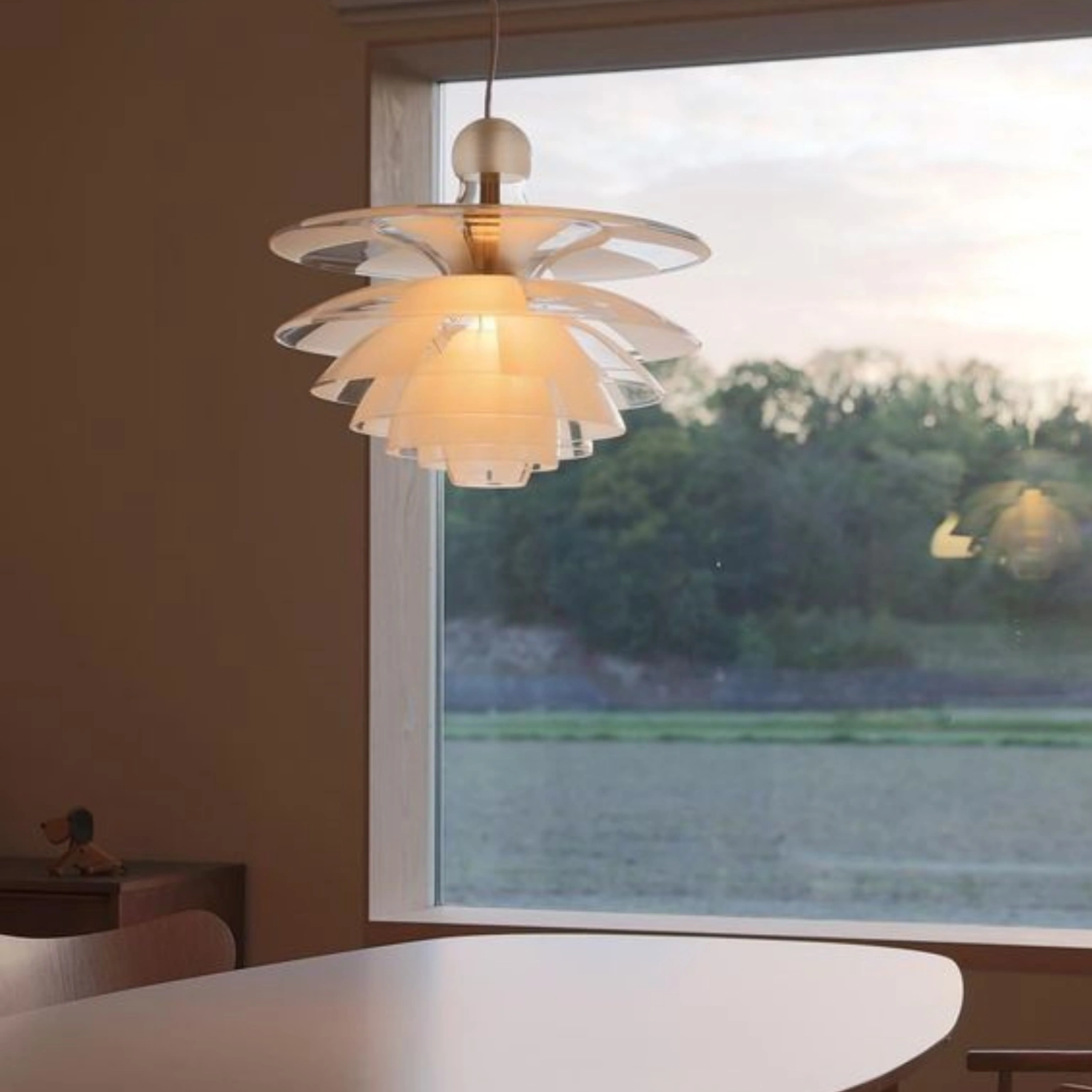
Septima
Septima is inspired by harmony and proportion, with layered shades that control glare while producing soft, even illumination. Its carefully considered curves create a sense of calm and balance in any interior. Iconic for its understated elegance and meticulous craftsmanship, Septima exemplifies Louis Poulsen’s dedication to designing lighting that is both functional and emotionally resonant.
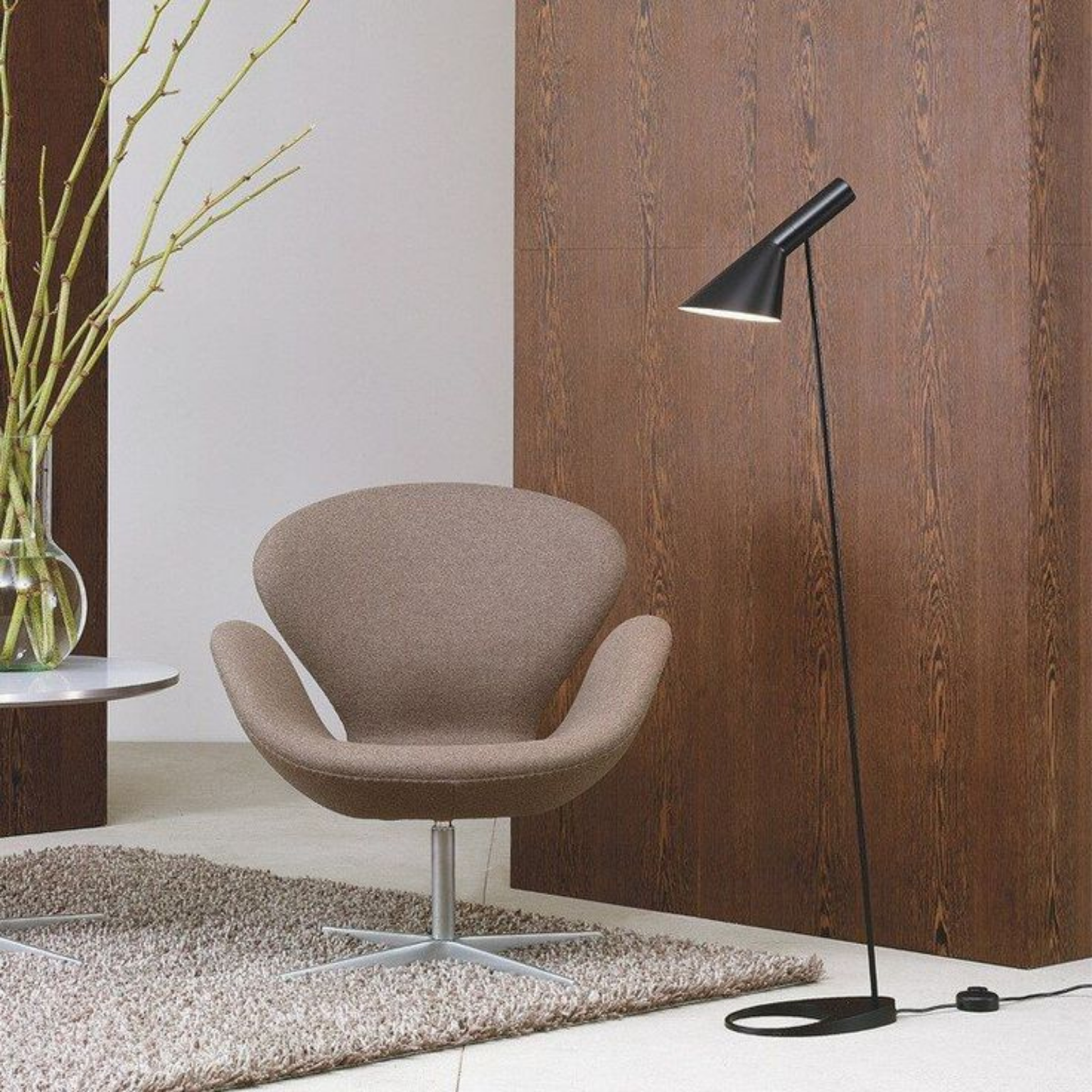
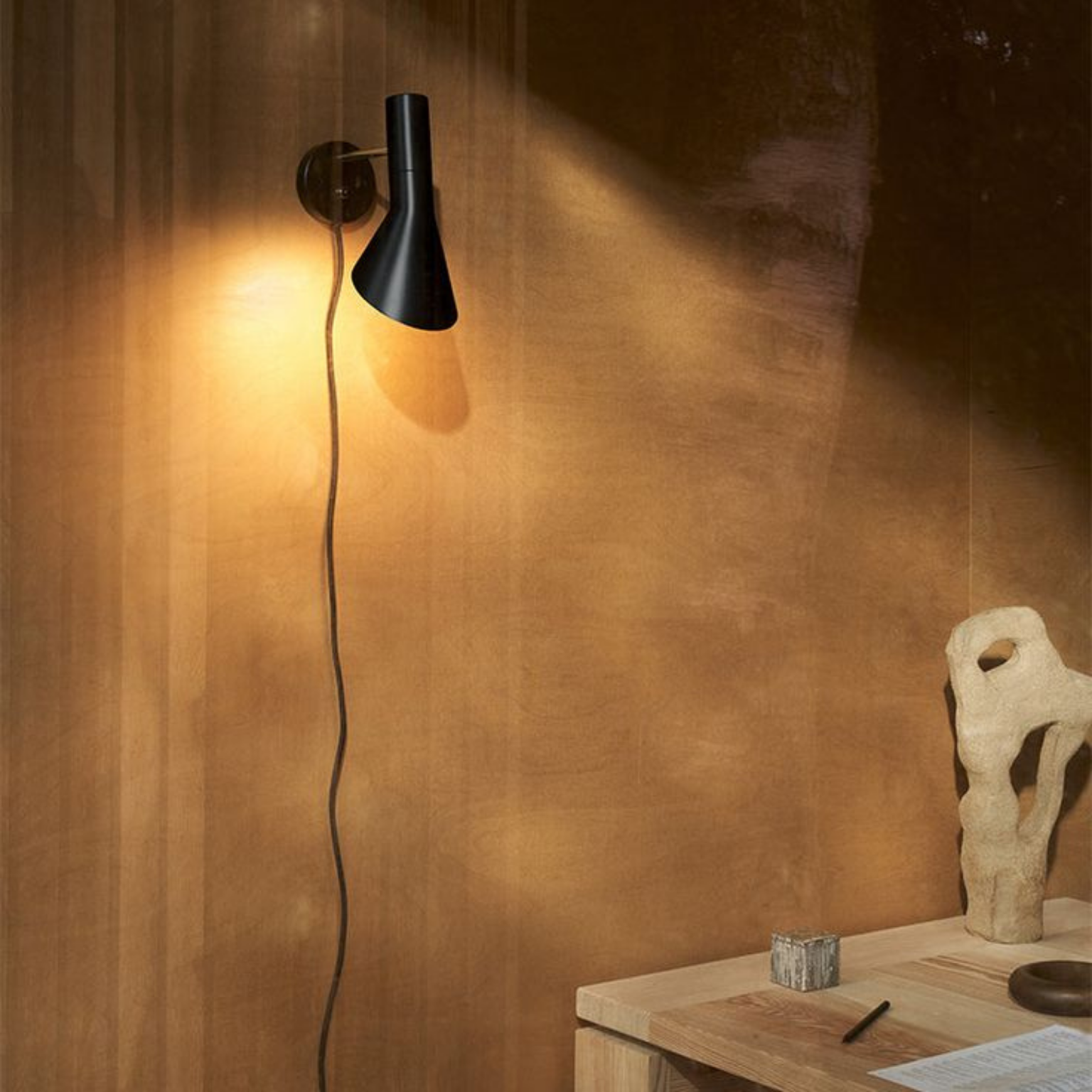
AJ Series
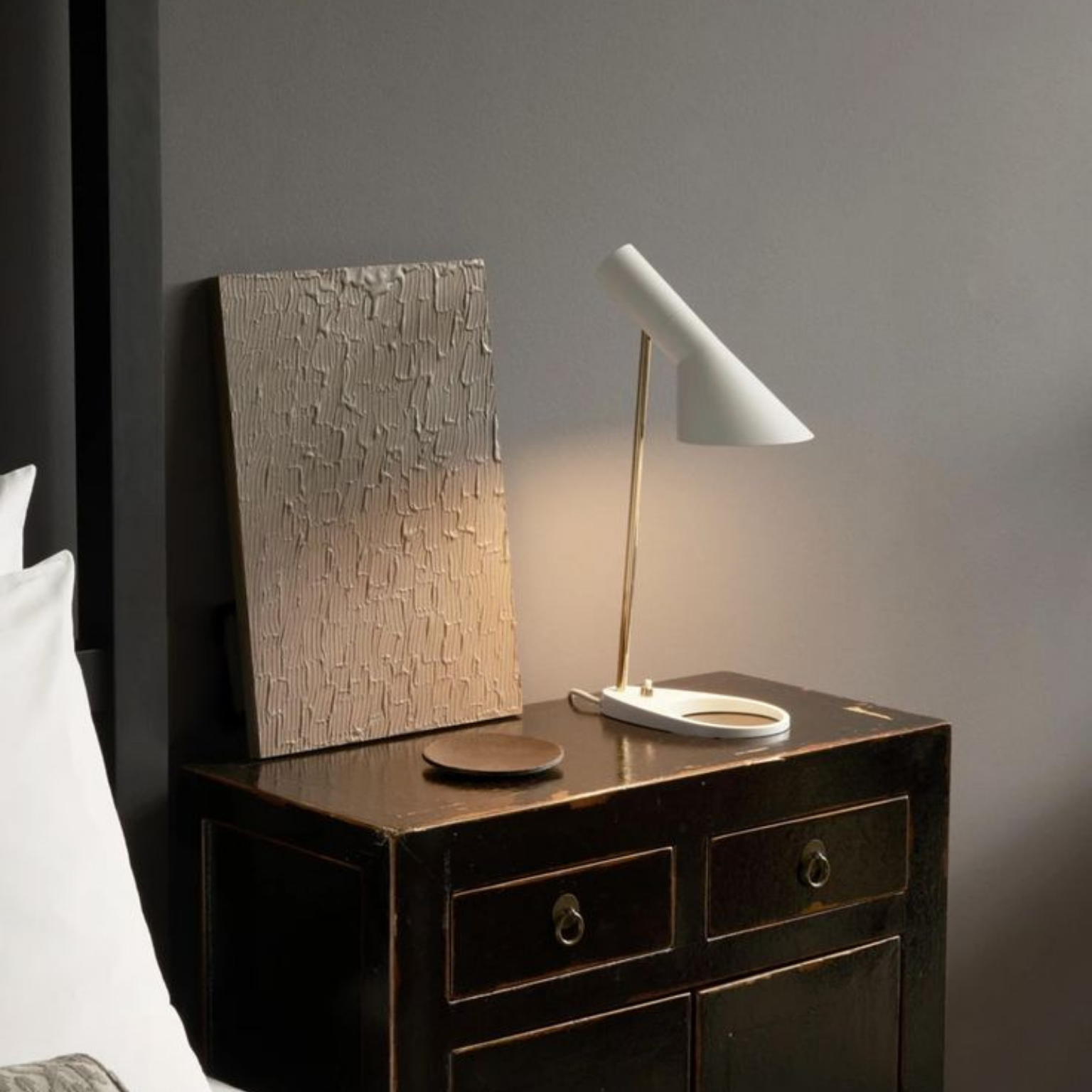
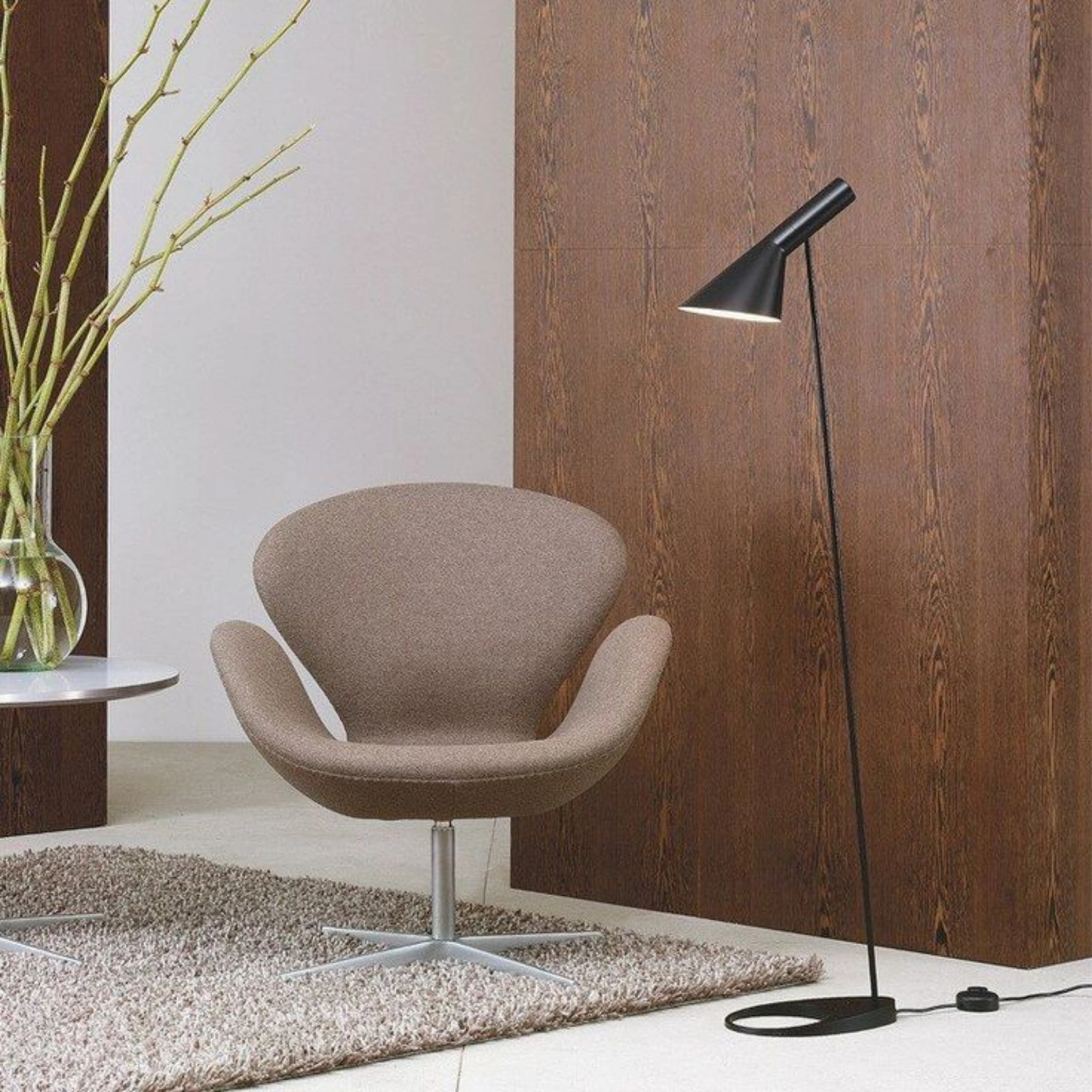
Arne Jacobsen’s AJ Series combines clean lines, modernist clarity, and precision engineering. Its asymmetric shade directs light exactly where it’s needed, reflecting Jacobsen’s belief that practicality and beauty should coexist. Iconic for its sculptural form and timeless versatility, the AJ Series remains an essential symbol of mid-century Danish lighting.
Panthella Series
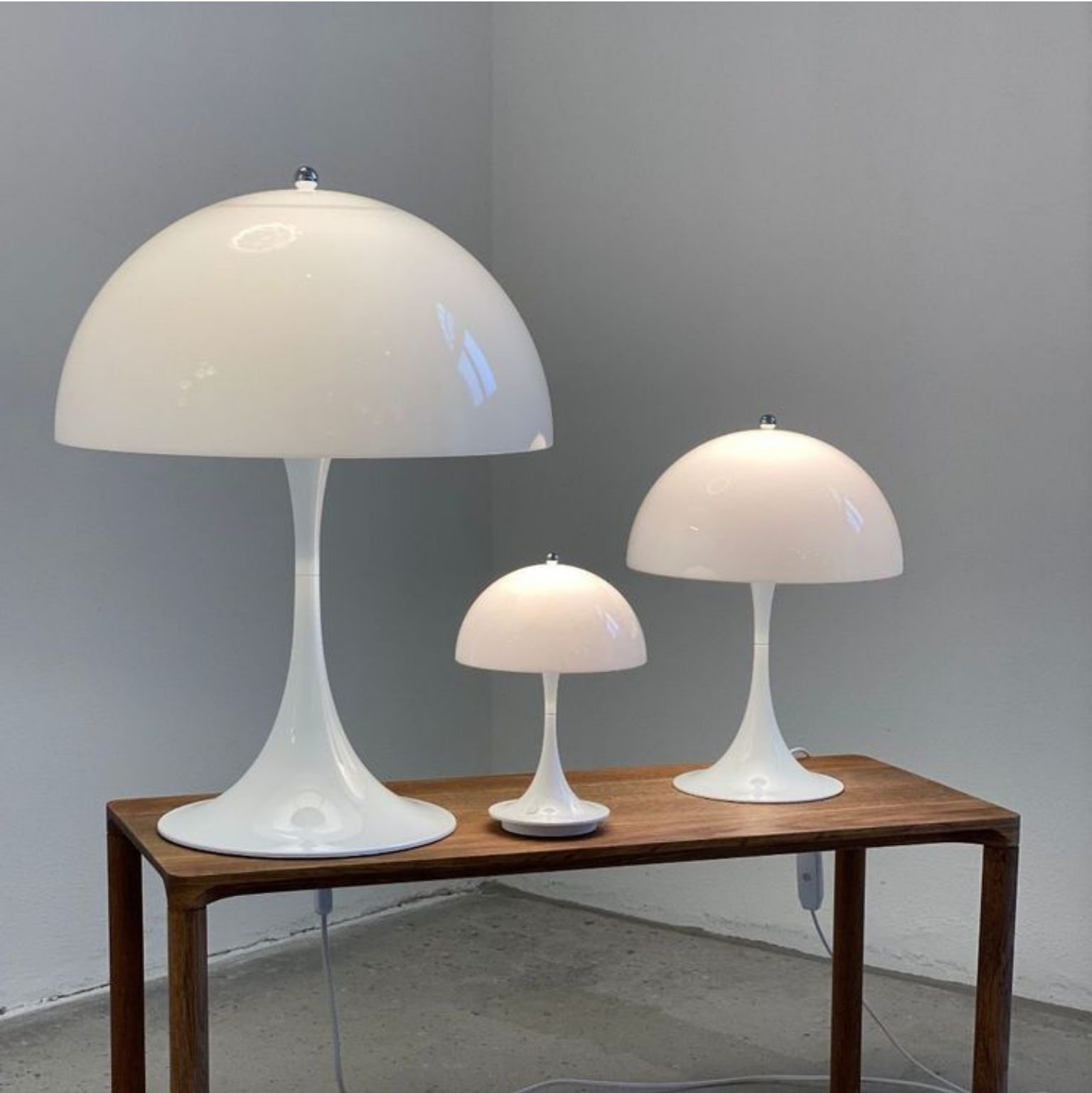
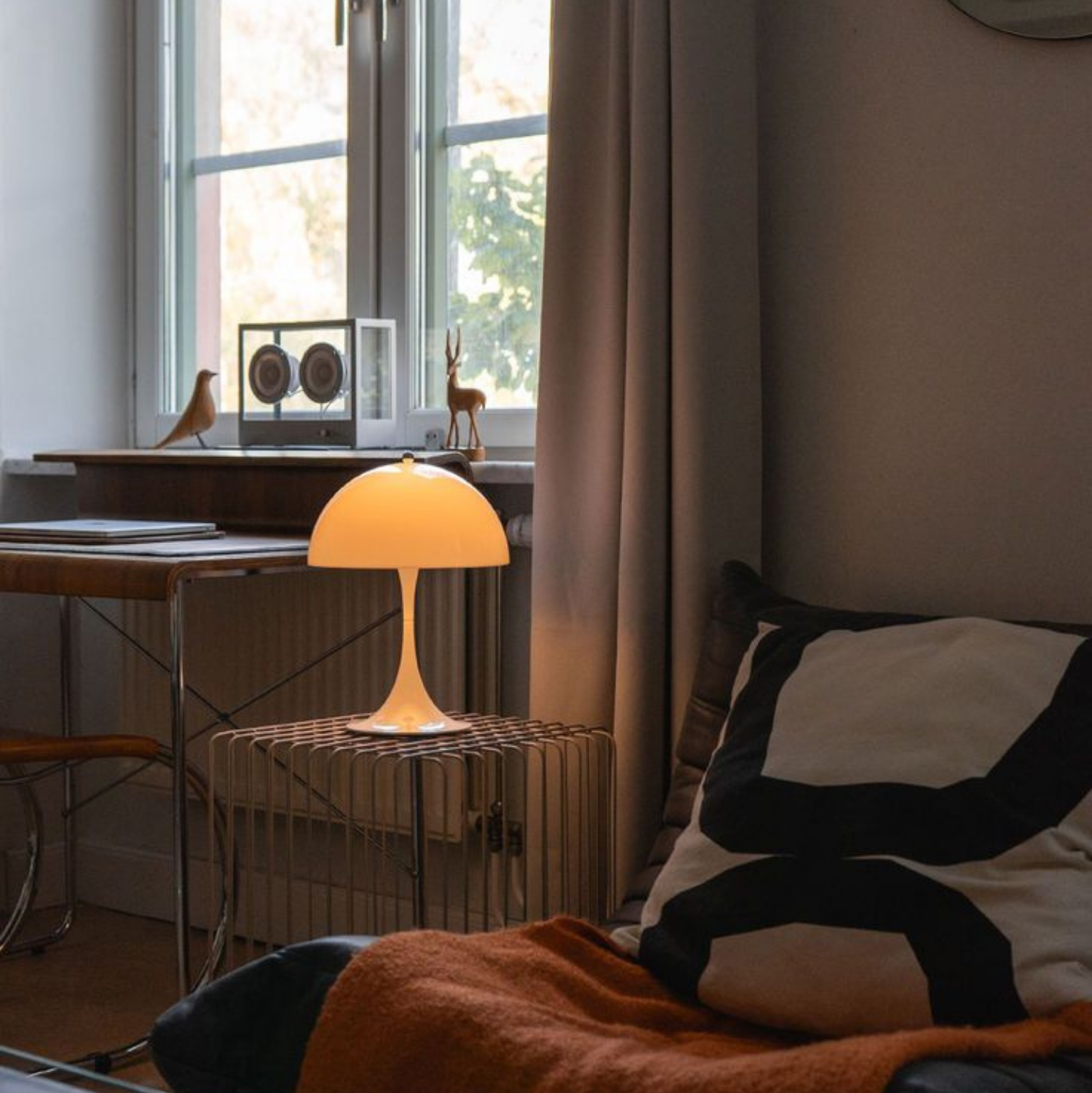
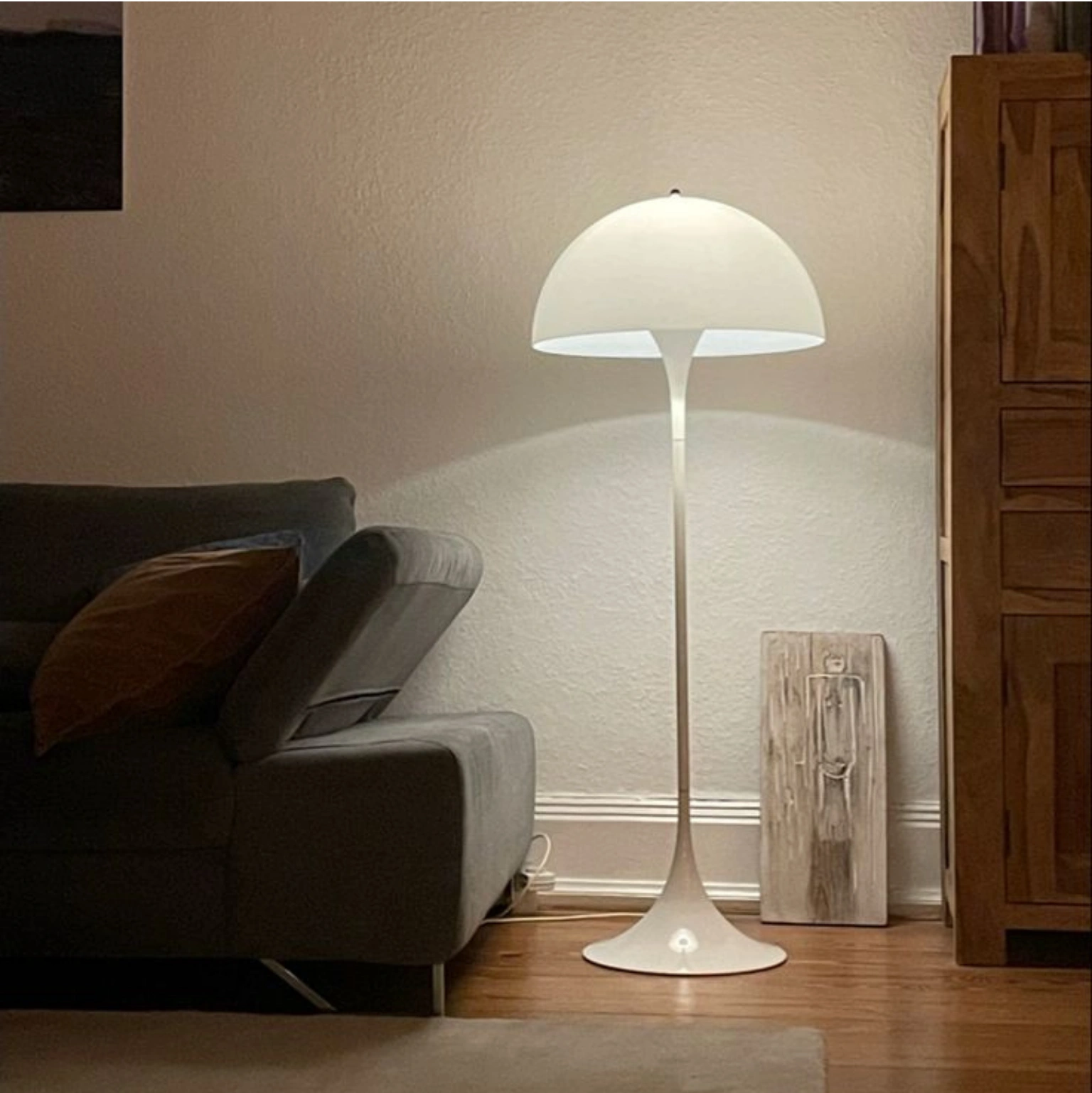
The Panthella Series transforms functional lighting into sculptural expression. Inspired by organic forms and Scandinavian minimalism, its dome-shaped shade and trumpet-like base provide soft, diffused illumination while creating a visually striking presence. Iconic for balancing playfulness, warmth, and refined design, Panthella shows how lighting can be both poetic and practical.
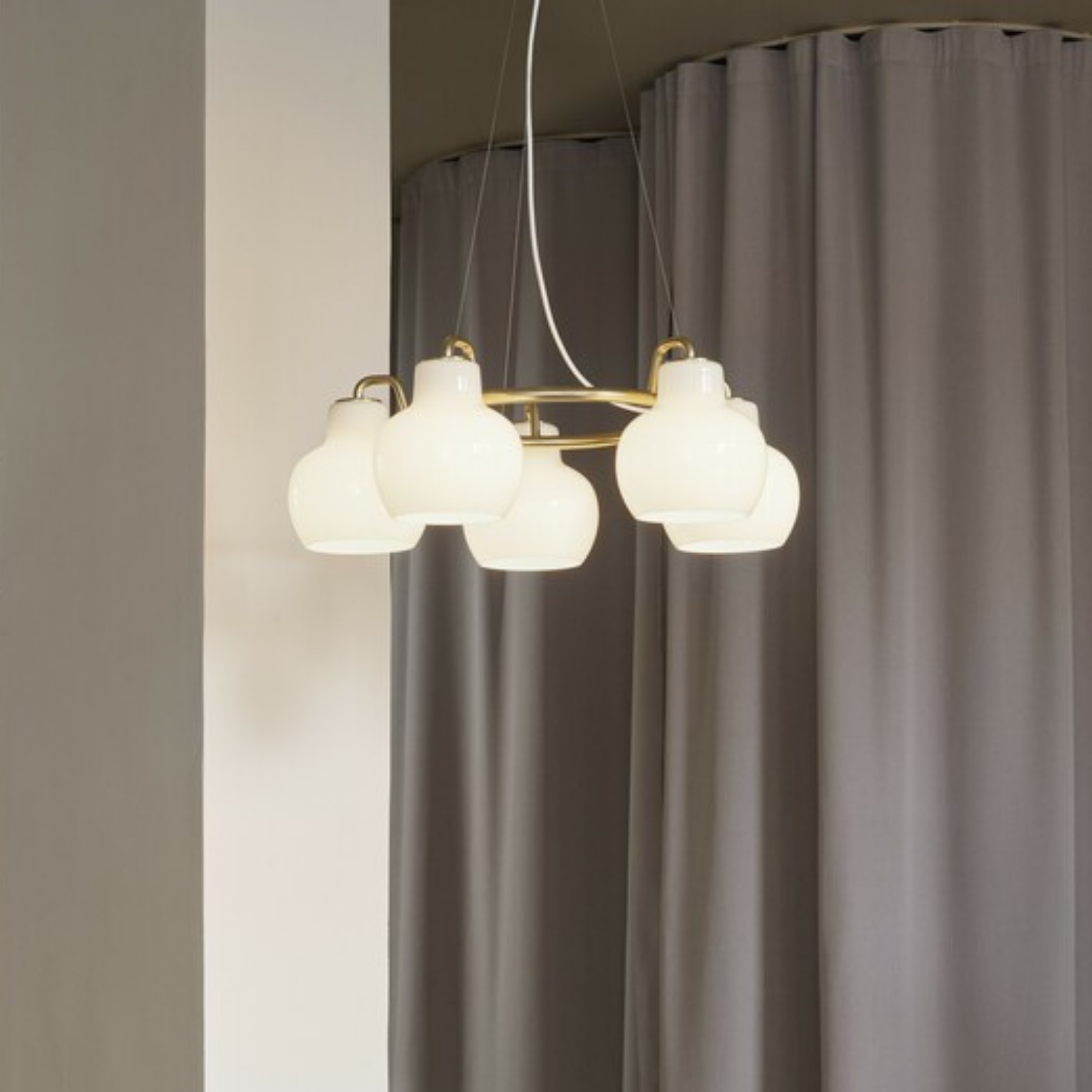
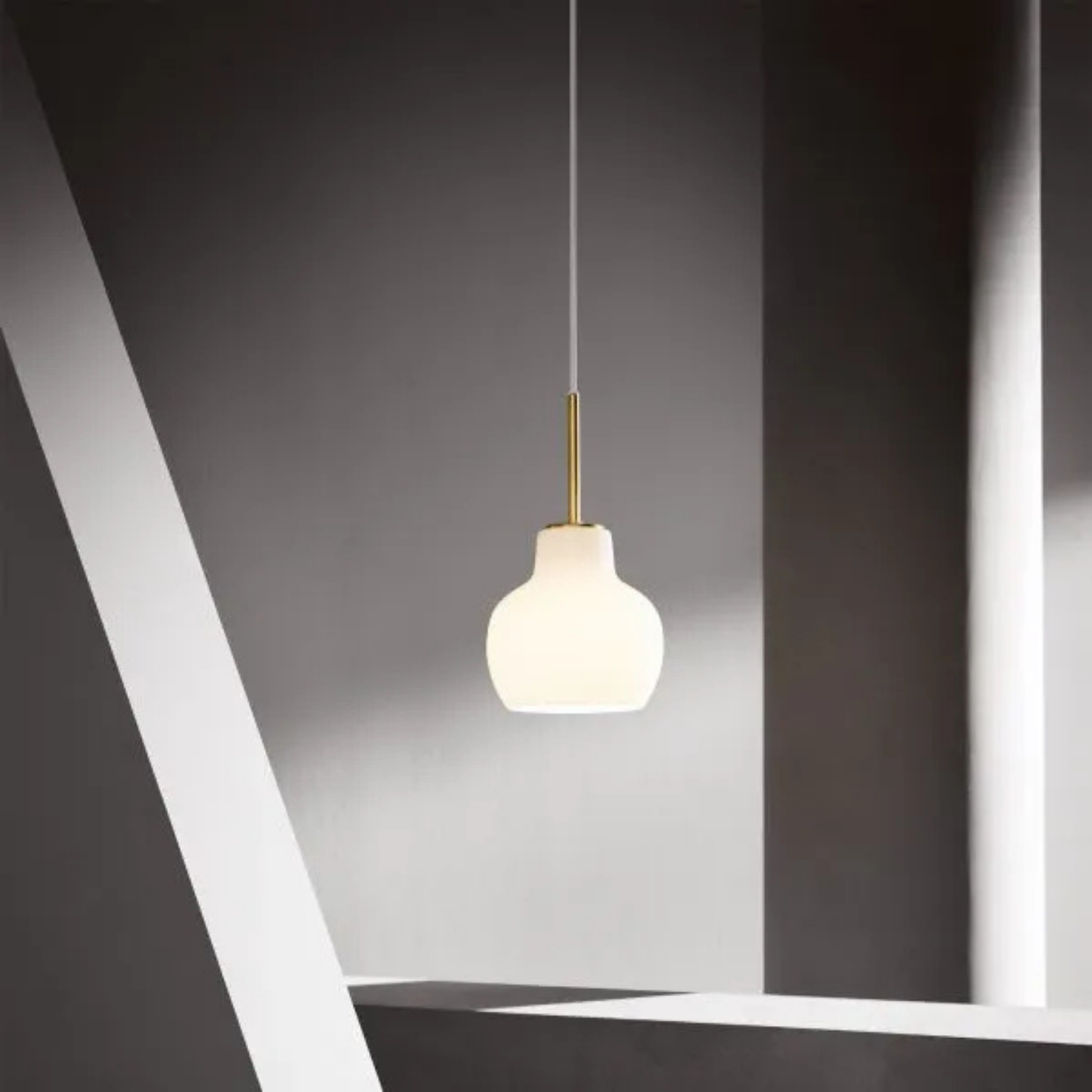
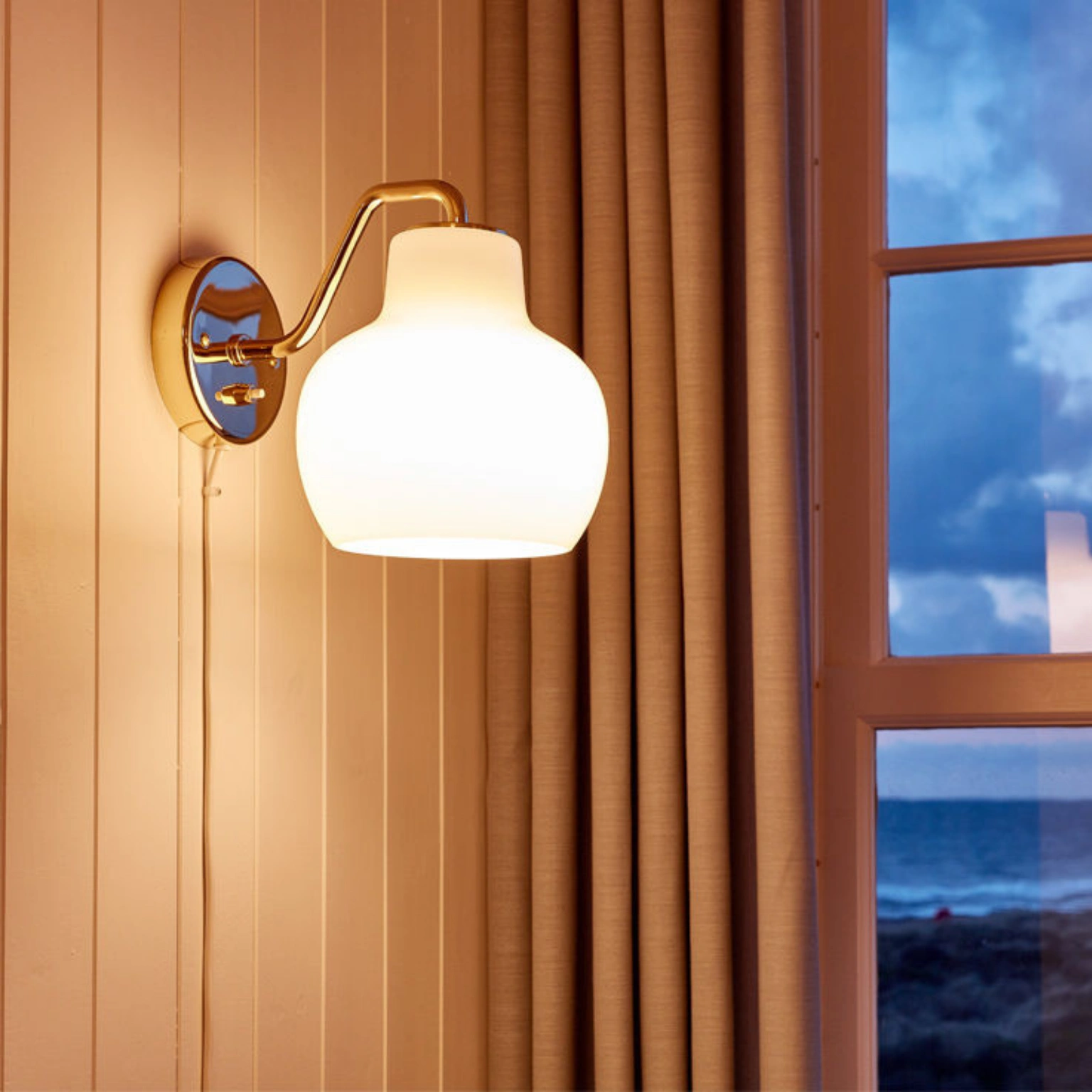
VL Ring Crown Series
The VL Ring Crown features opal glass rings that produce even, diffused light, creating a serene and balanced atmosphere. Designed for both public and private spaces, it exemplifies structural simplicity, visual harmony, and understated elegance. Iconic for its clarity and sophisticated presence, it showcases Louis Poulsen’s mastery of form and function in lighting
Snowball
The Snowball lamp uses layered opal glass to cast a soft, ethereal glow. Inspired by geometric simplicity and minimalism, it merges warmth with sculptural elegance. Iconic for turning a simple sphere into a timeless design object, Snowball embodies Louis Poulsen’s ability to make lighting both atmospheric and visually poetic.
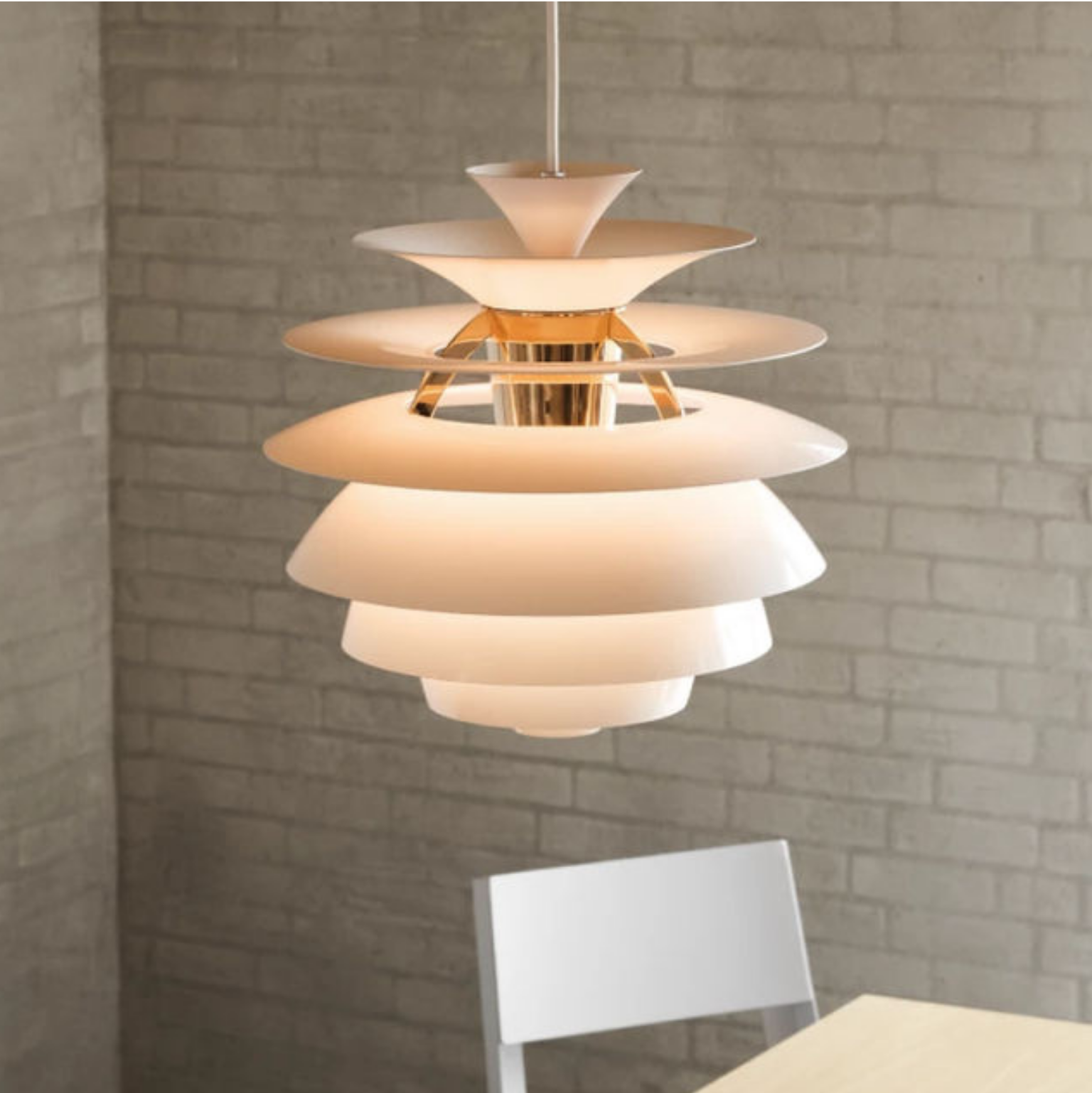
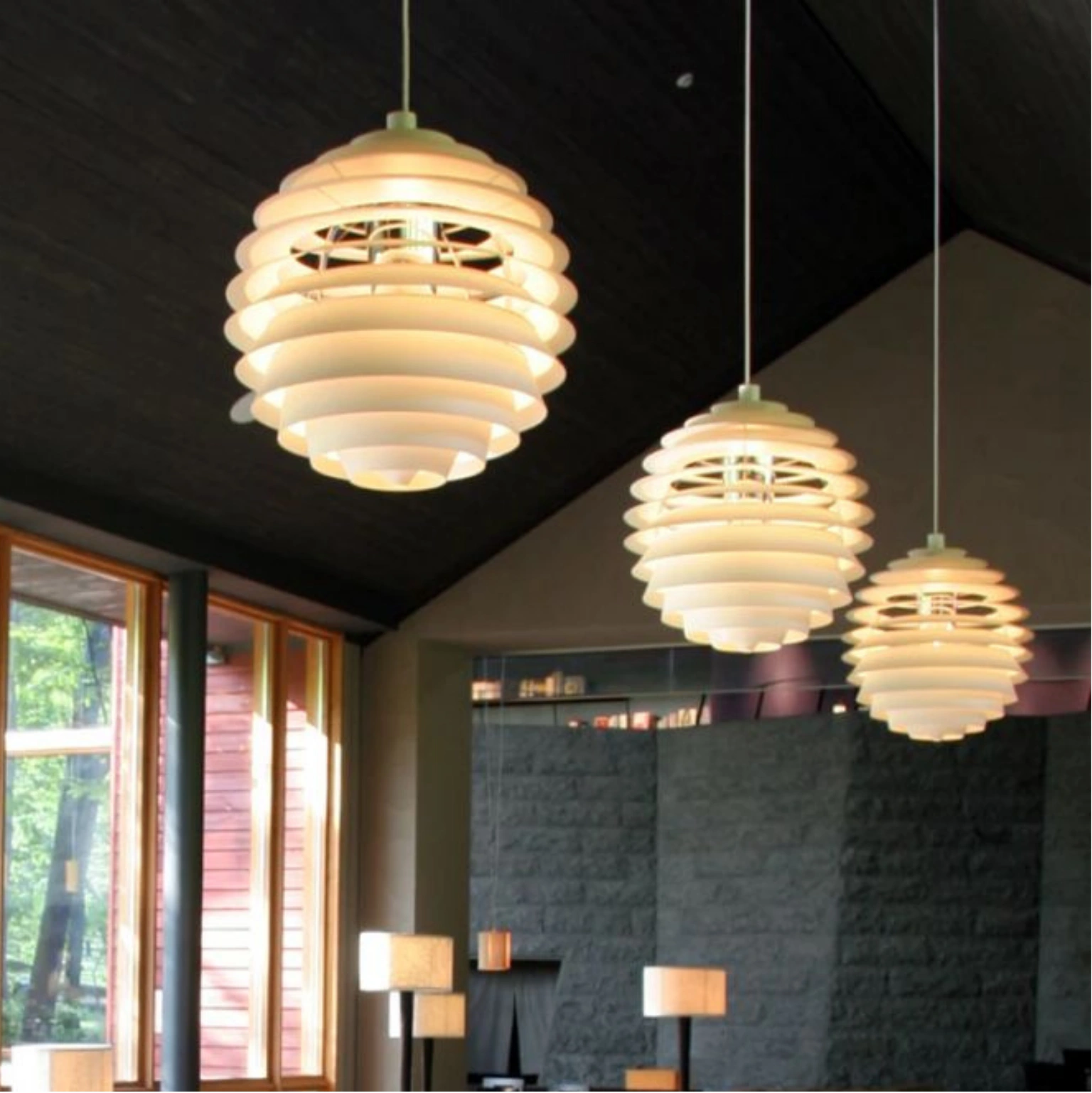
Louvre
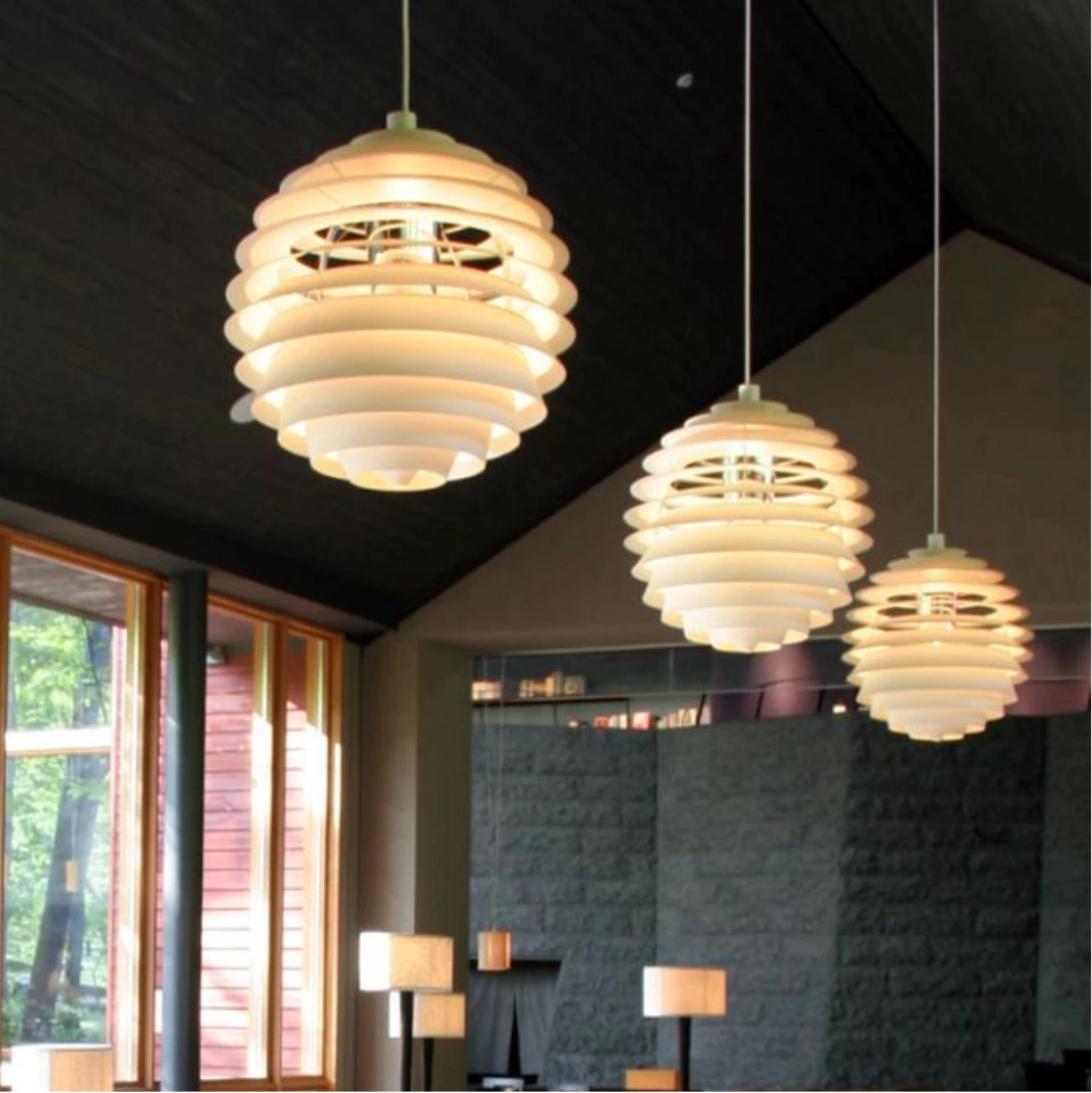
The Louvre pendant employs concentric aluminum rings to control glare while providing soft, diffused illumination. Its precise geometry and sculptural silhouette make it both functional and visually compelling. Iconic for its combination of engineering ingenuity and aesthetic clarity, Louvre elevates lighting to a defining element of interior design.
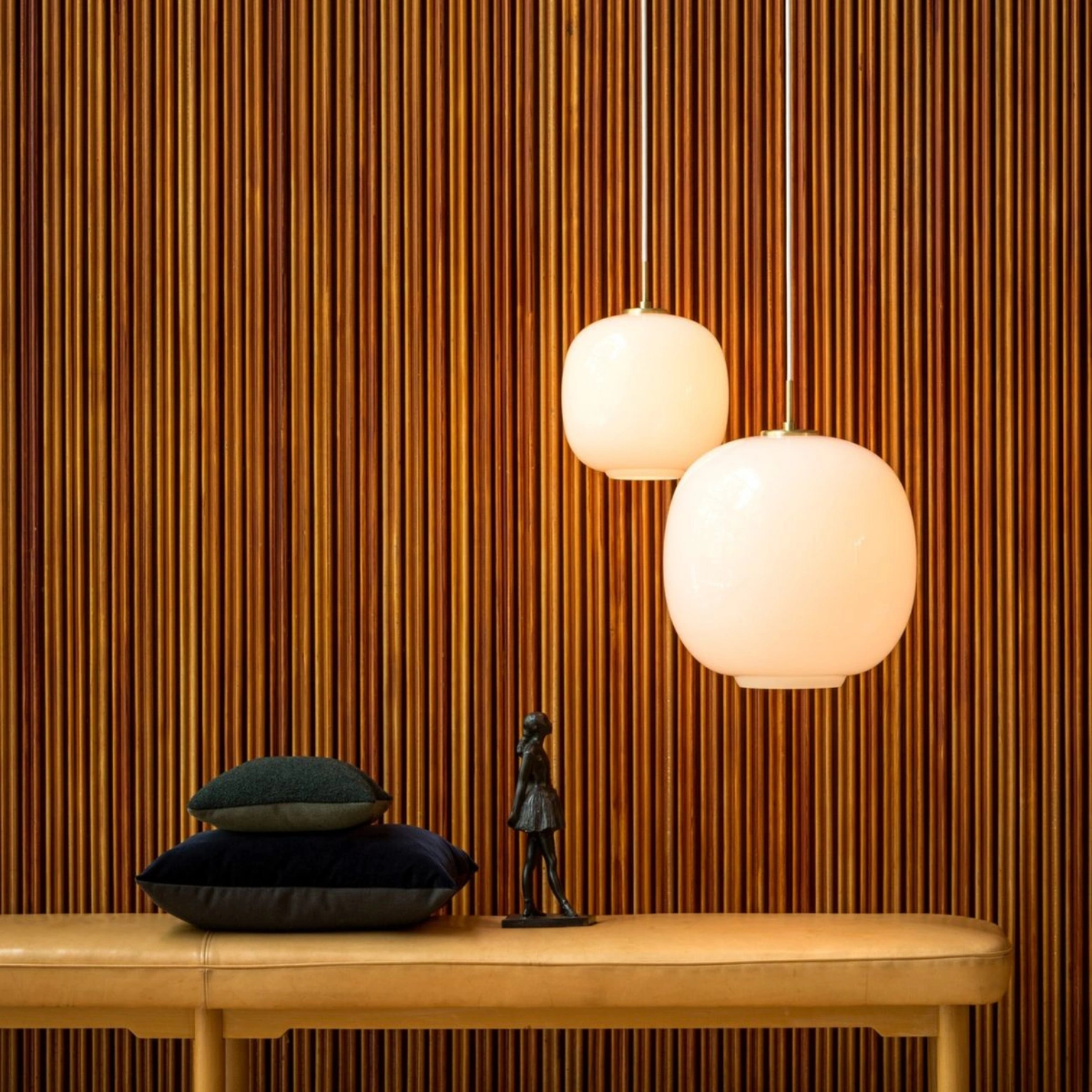
VL Radiohus Pendant
Originally designed for Copenhagen’s Radio House, the VL Radiohus Pendant merges opal glass with minimal structure to create soft, ambient lighting. Its understated form enhances spaces without overwhelming them, reflecting Louis Poulsen’s philosophy that light should be functional, elegant, and unobtrusive. Iconic for its historic significance and timeless design, it remains a symbol of Danish modern lighting mastery.
Contents
Our Collection
Connect With Us
- Sales/Business/Collaboration
- Marketing/PR Related Queries
- Villa Appointments
Experience Villa Address
- NH02 Villa, Near Hacienda Bungalow, Off Nageshwar Temple Road, Behind BN High School, Alibag, Awas, Maharashtra 402201
Music Credits
-
Between Leaves
Composed By Mikkel Nordsø
Performed By Bombay Hotel -
Benjamin
Composed By Ole Theill
Performed By Bombay Hotel

Copyright 2026 Norse Brands Pvt. Ltd.
All Rights Reserved
Contents
Our Collection
Music Credits
- Benjamin
- Composed By Ole Theill
- Performed By Bombay Hotel
- Between Leaves
- Composed By Mikkel Nordsø
- Performed By Bombay Hotel
Connect With Us
- Sales/Business/Collaboration
- Marketing/PR Related Queries
- Villa Appointments
Experience Villa Address
- NH02 Villa, Near Hacienda Bungalow, Off Nageshwar Temple Road, Behind BN High School, Alibag, Awas, Maharashtra 402201