

Kaare Klint brought an architect’s discipline to furniture design, redefining how people lived with form and function. His work became the foundation of the Danish design movement. Kaare Klint is regarded as the father of Danish furniture design. An architect by training and a teacher by calling, he believed that good design should serve both body and mind. Klint’s focus on function, proportion, and human scale set the direction for generations that followed. His Safari Chair and Faaborg Chair became touchstones for what we now recognise as timeless Danish design.
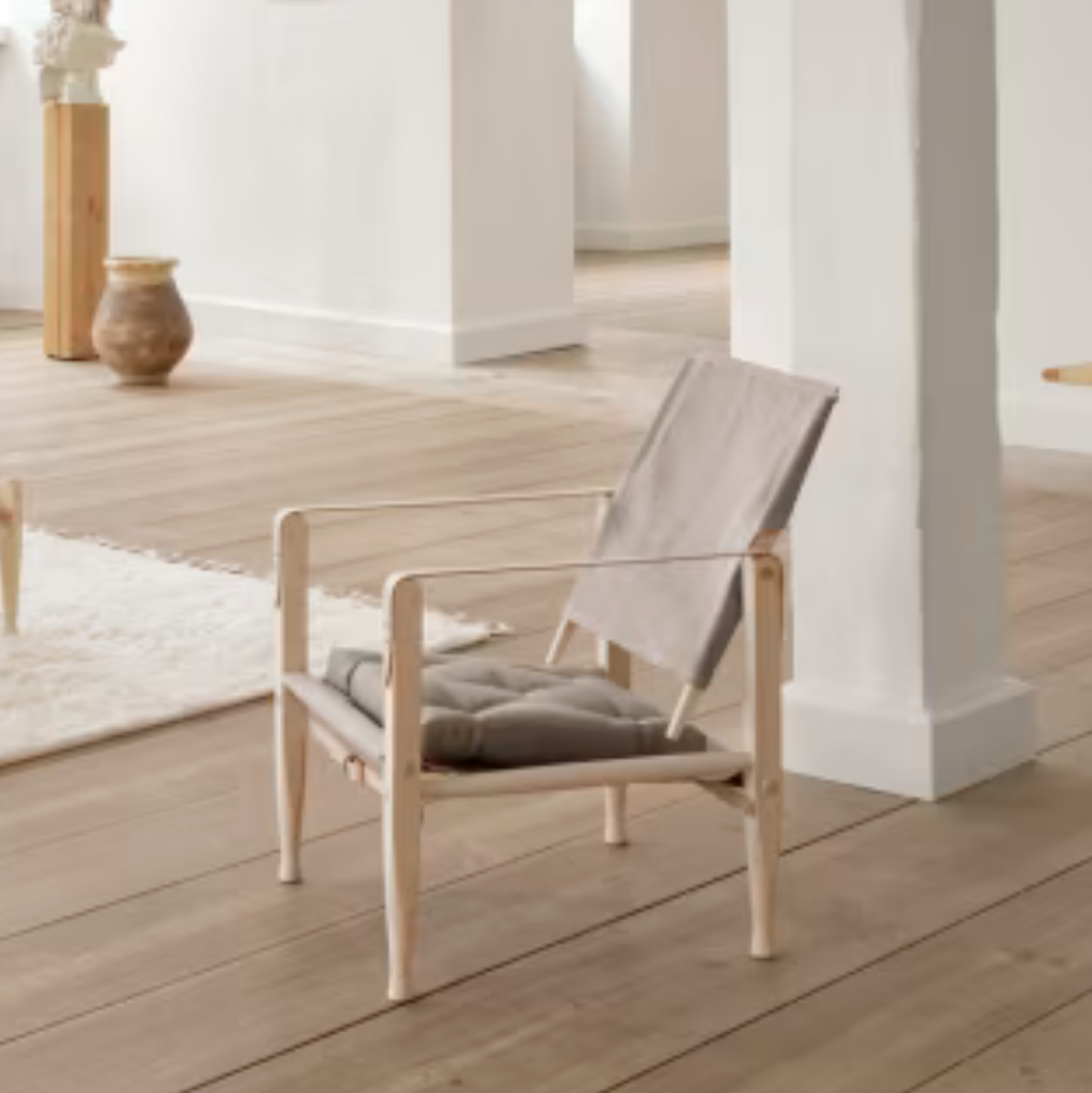
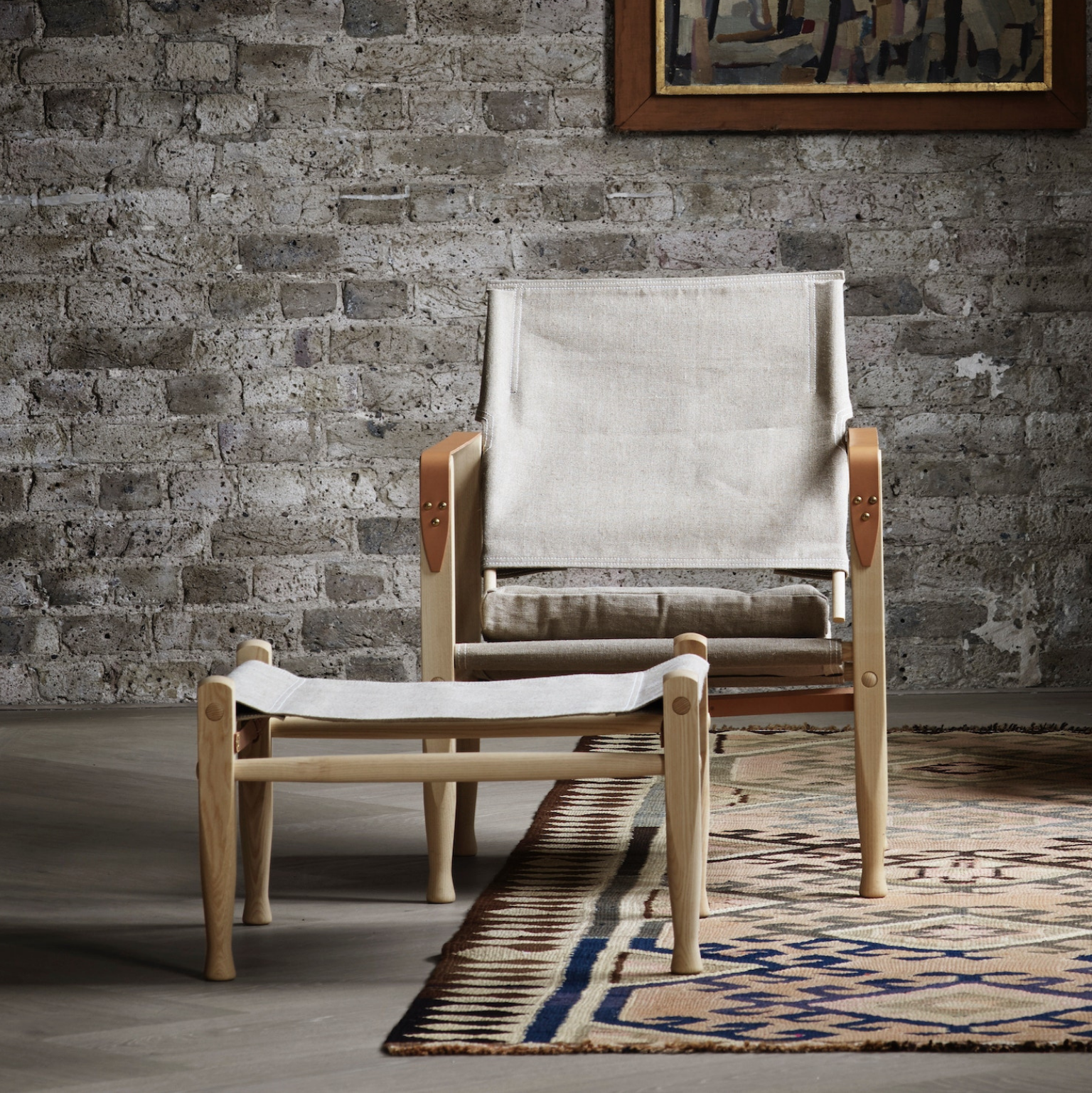
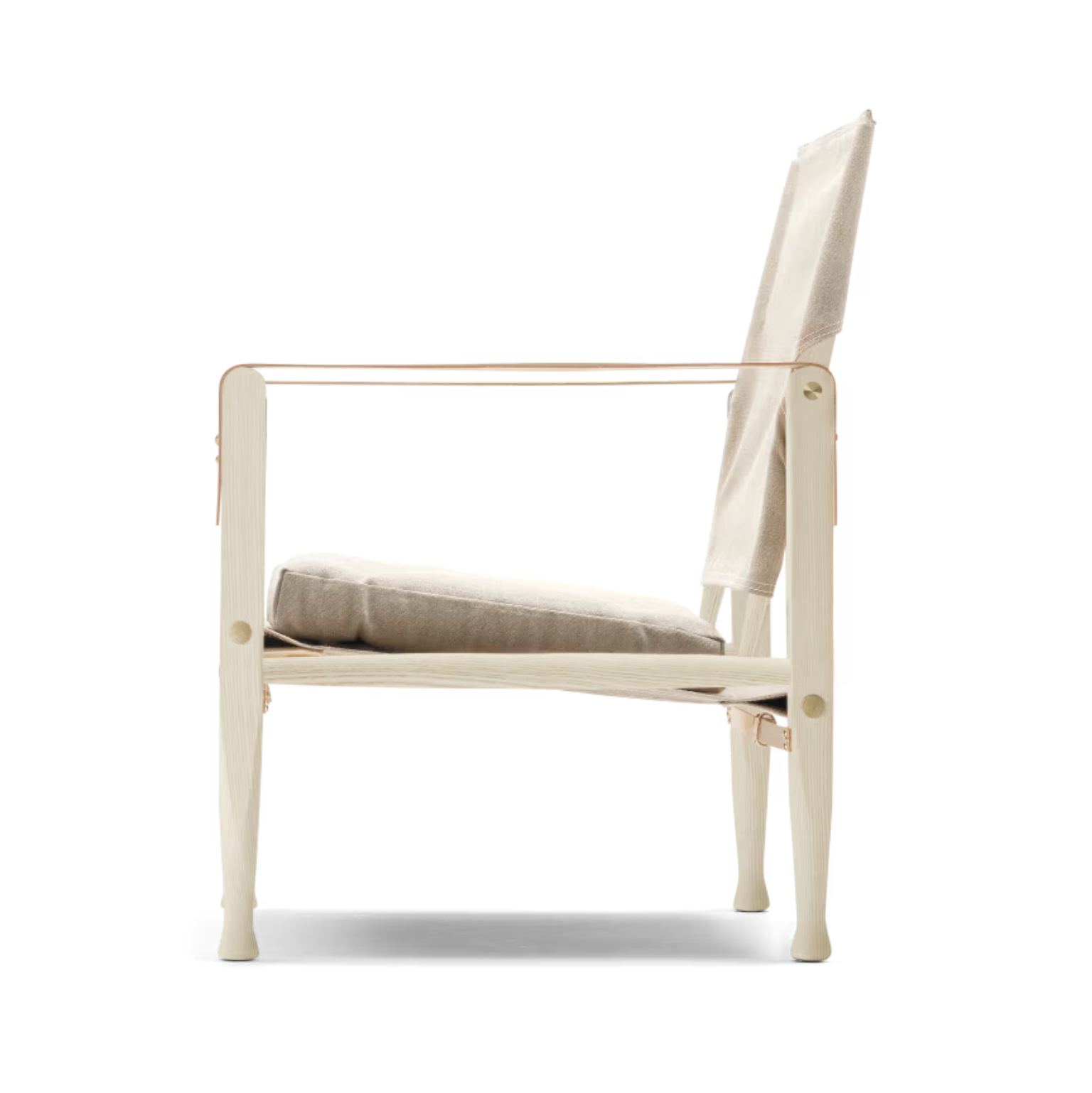
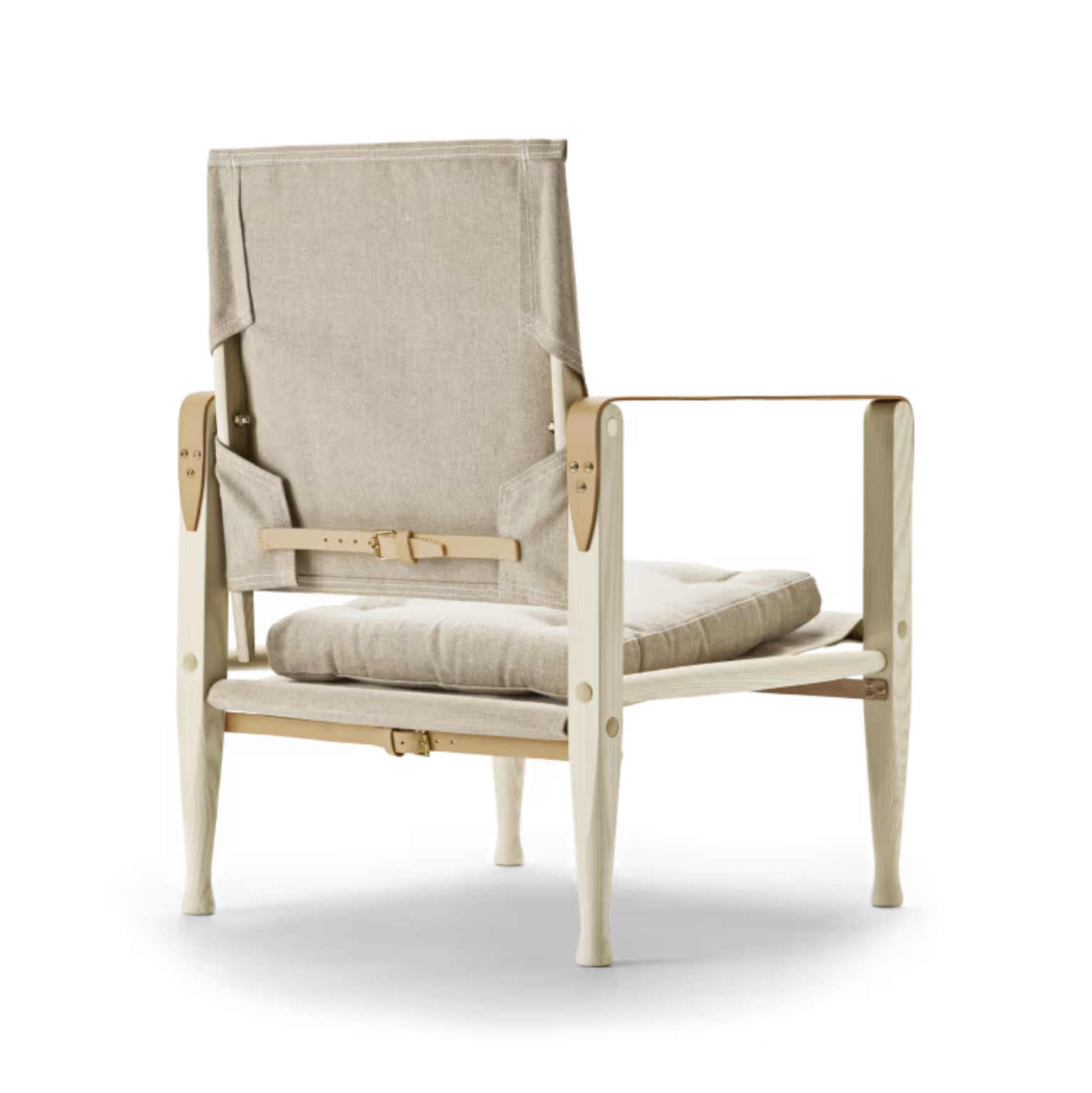
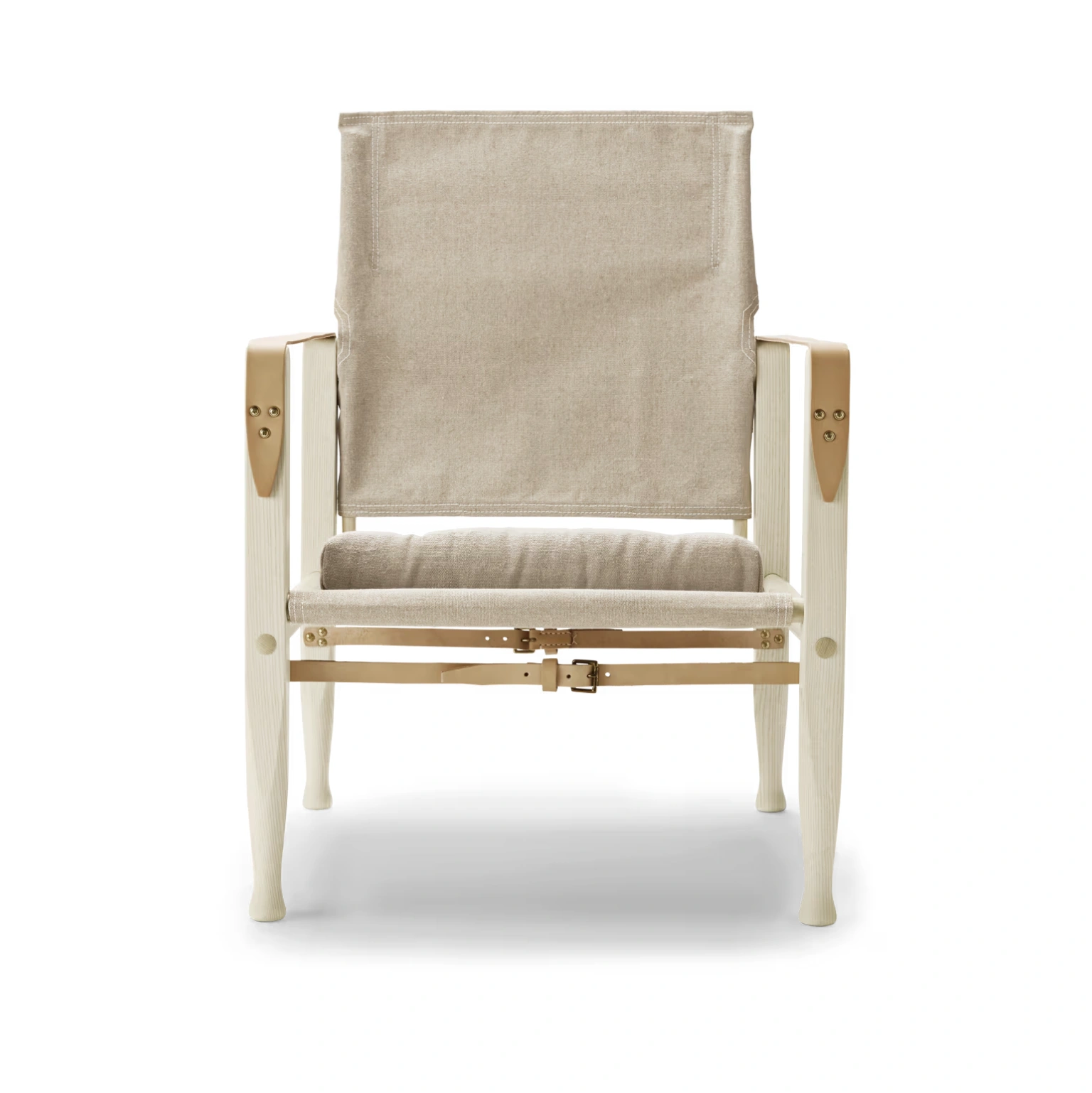
Adaptable, portable and quietly timeless - the Safari Chair brings the spirit of travel to modern interiors. Introduced in 1933 (and refined in 1950), Kaare Klint’s Safari Chair drew from British campaign furniture used in the colonies. Built from solid ash or oak with canvas or leather seating, it can be assembled without tools - a masterclass in practical elegance. Its exposed joinery celebrates honest construction, while the natural materials age beautifully with use. Lightweight yet remarkably stable, it remains one of the earliest examples of modern “flat-pack” design that’s adaptable, functional and refined in every detail.
Read More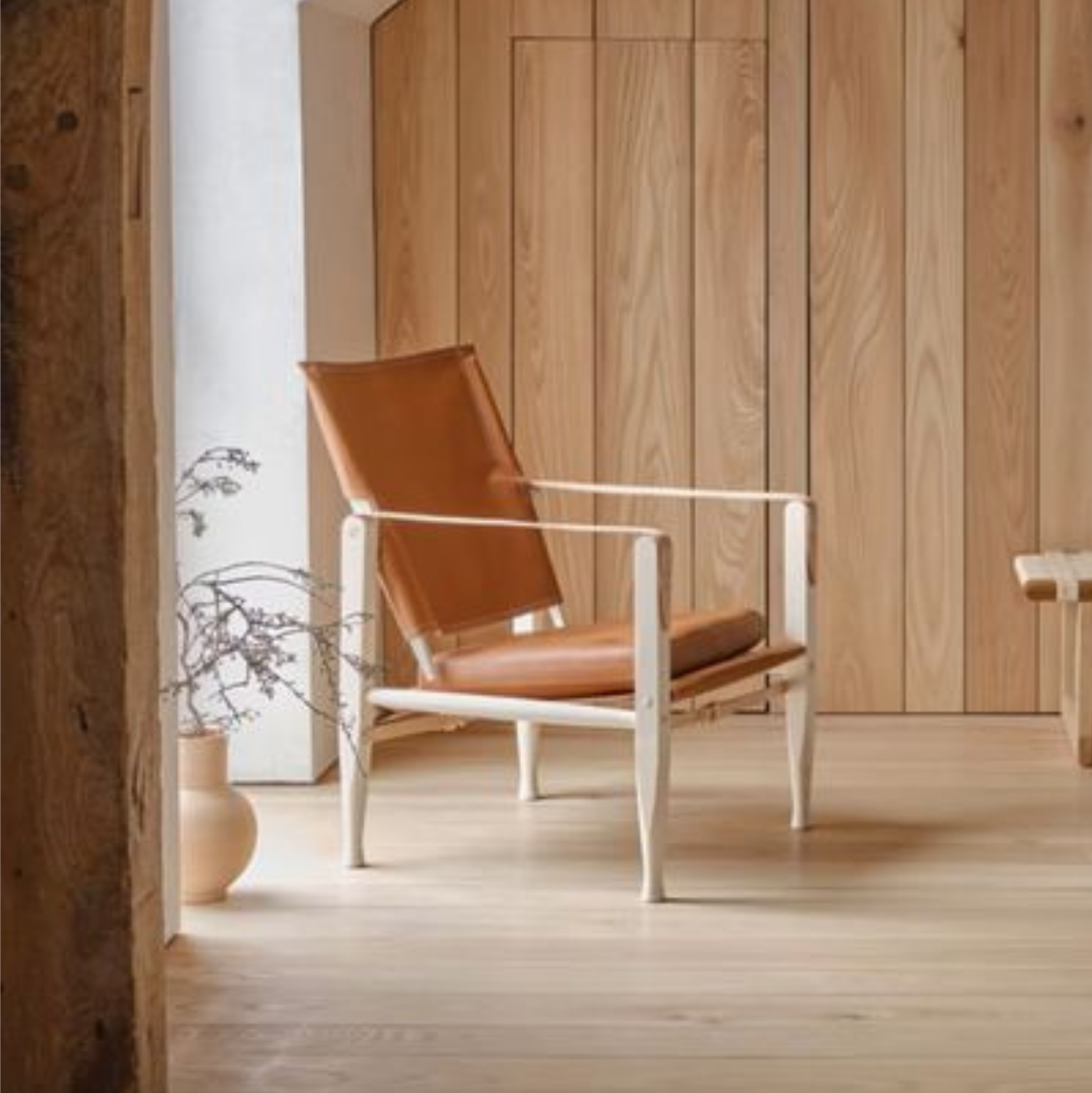
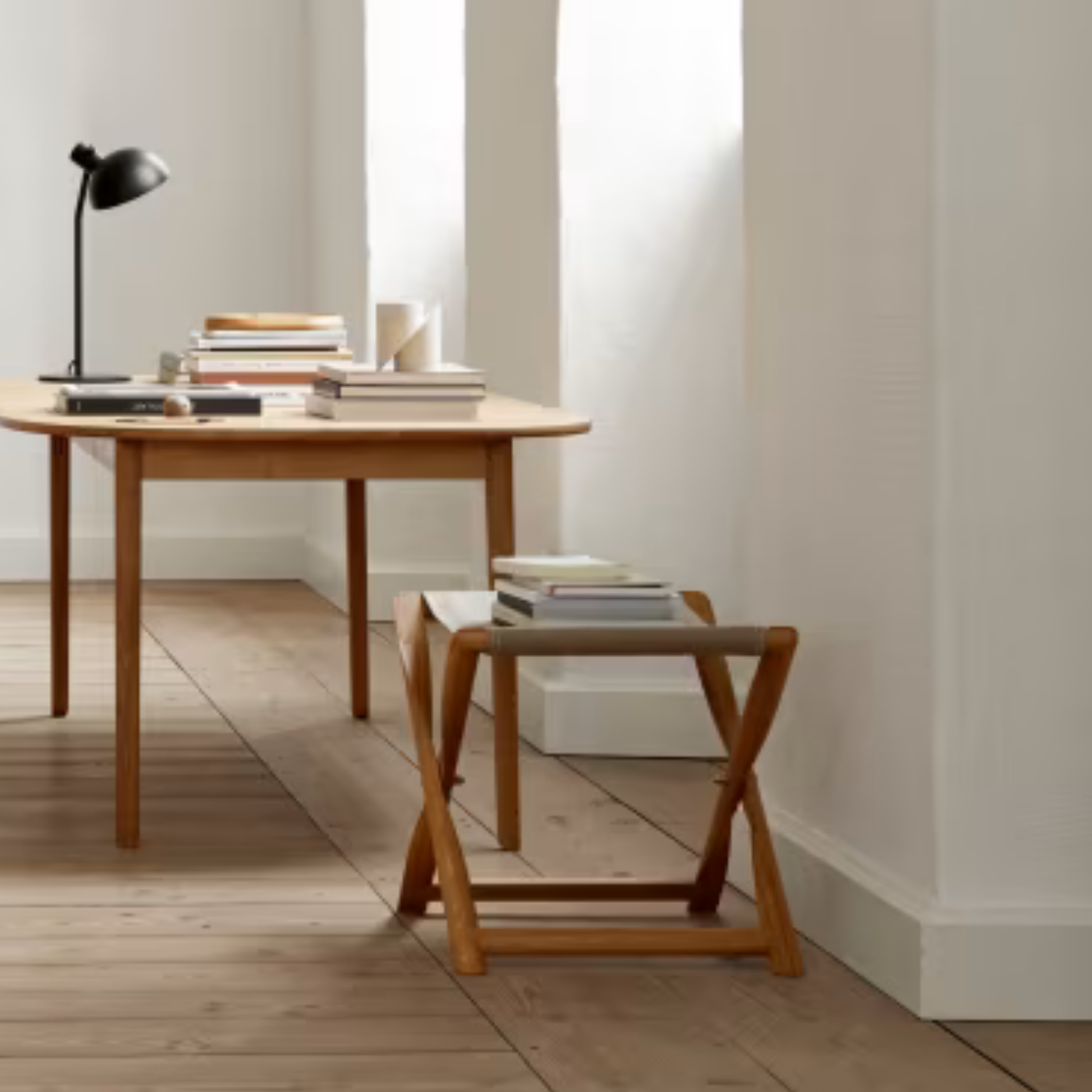
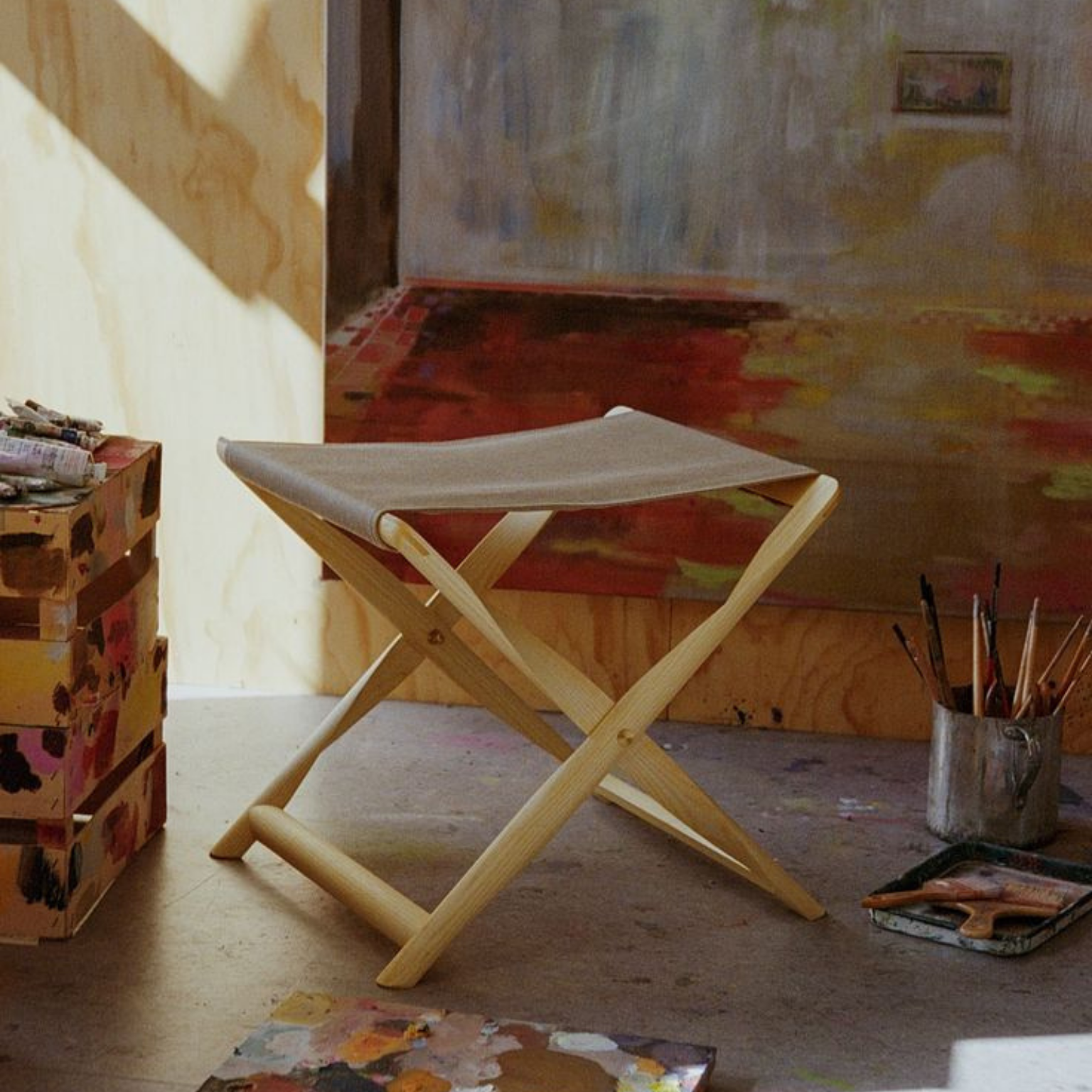
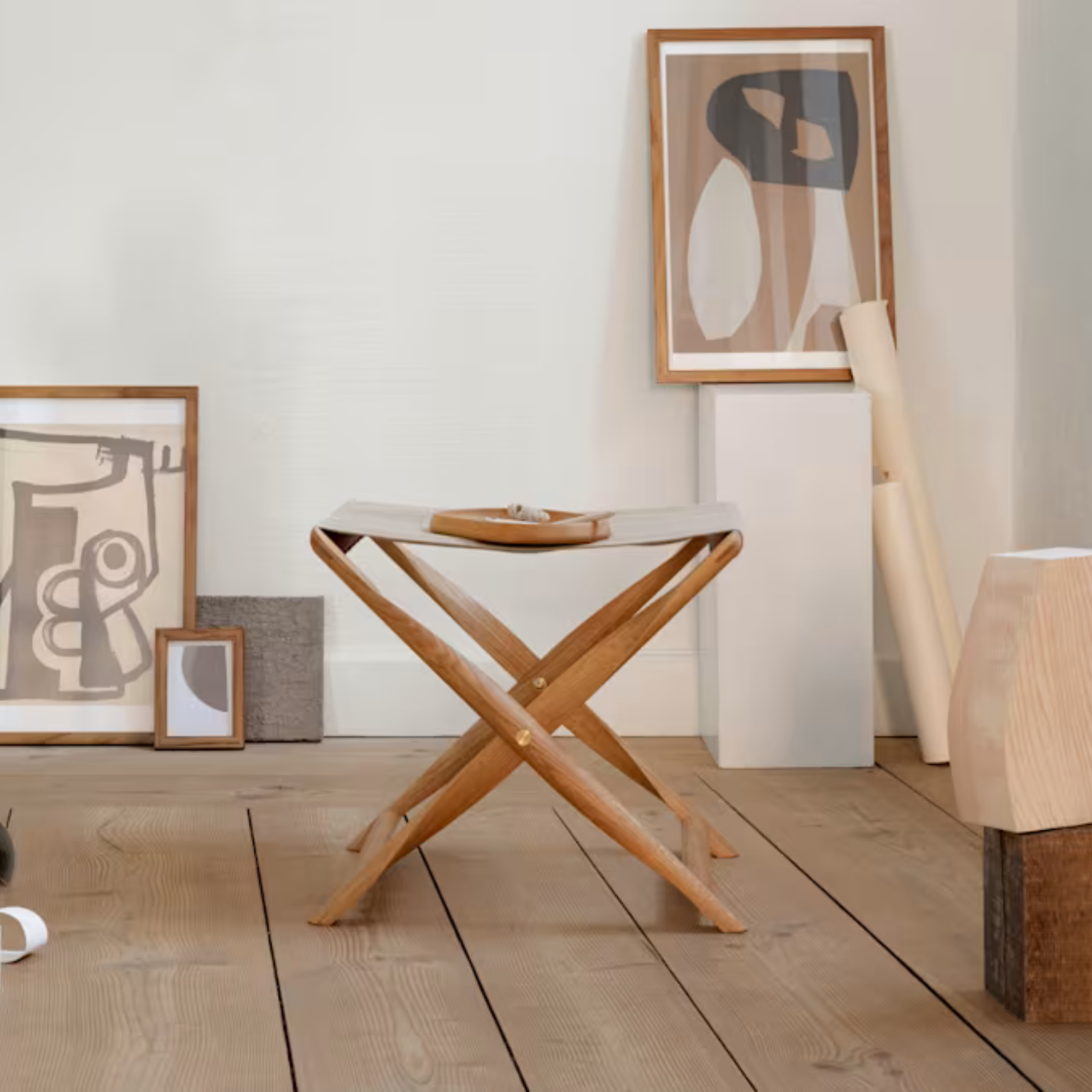
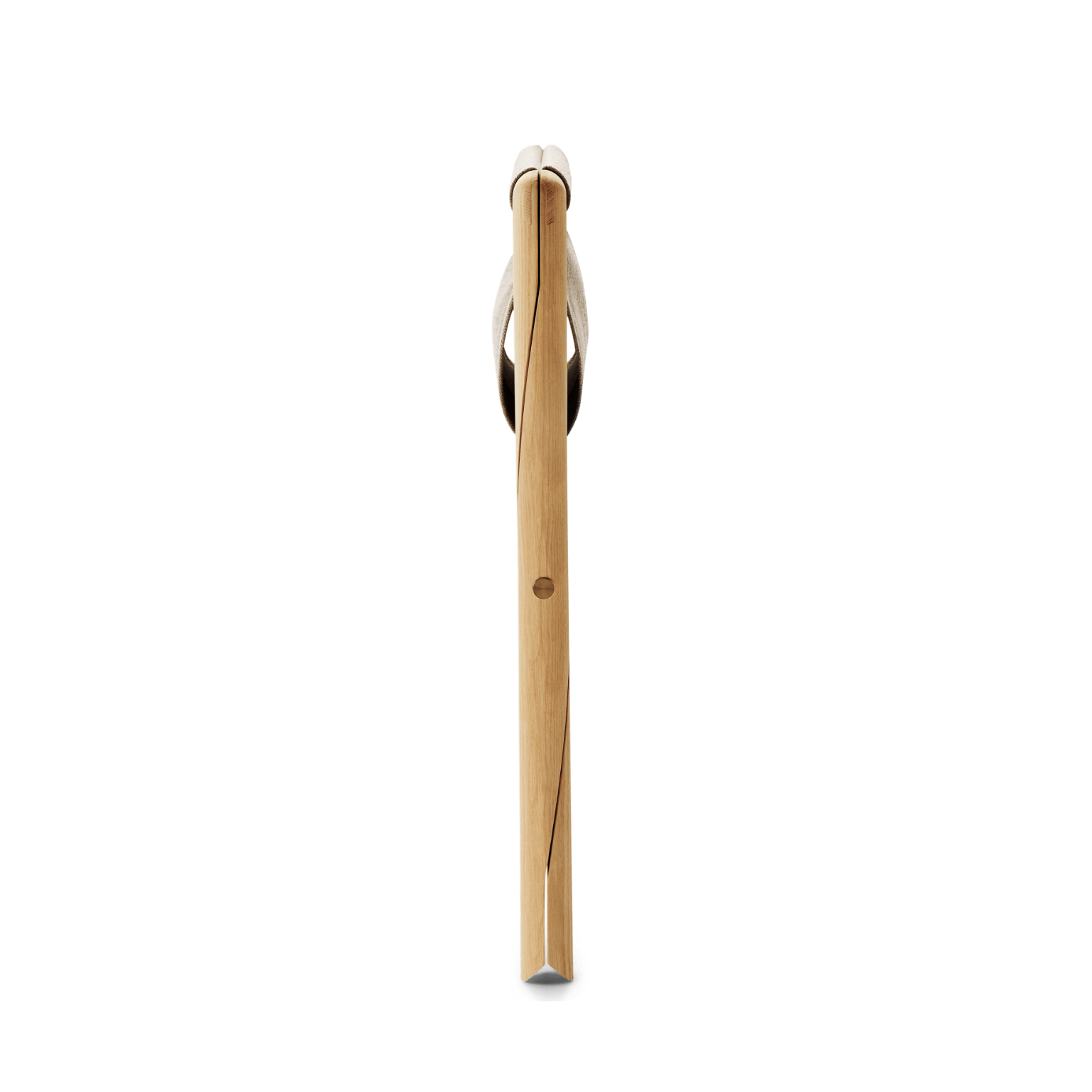
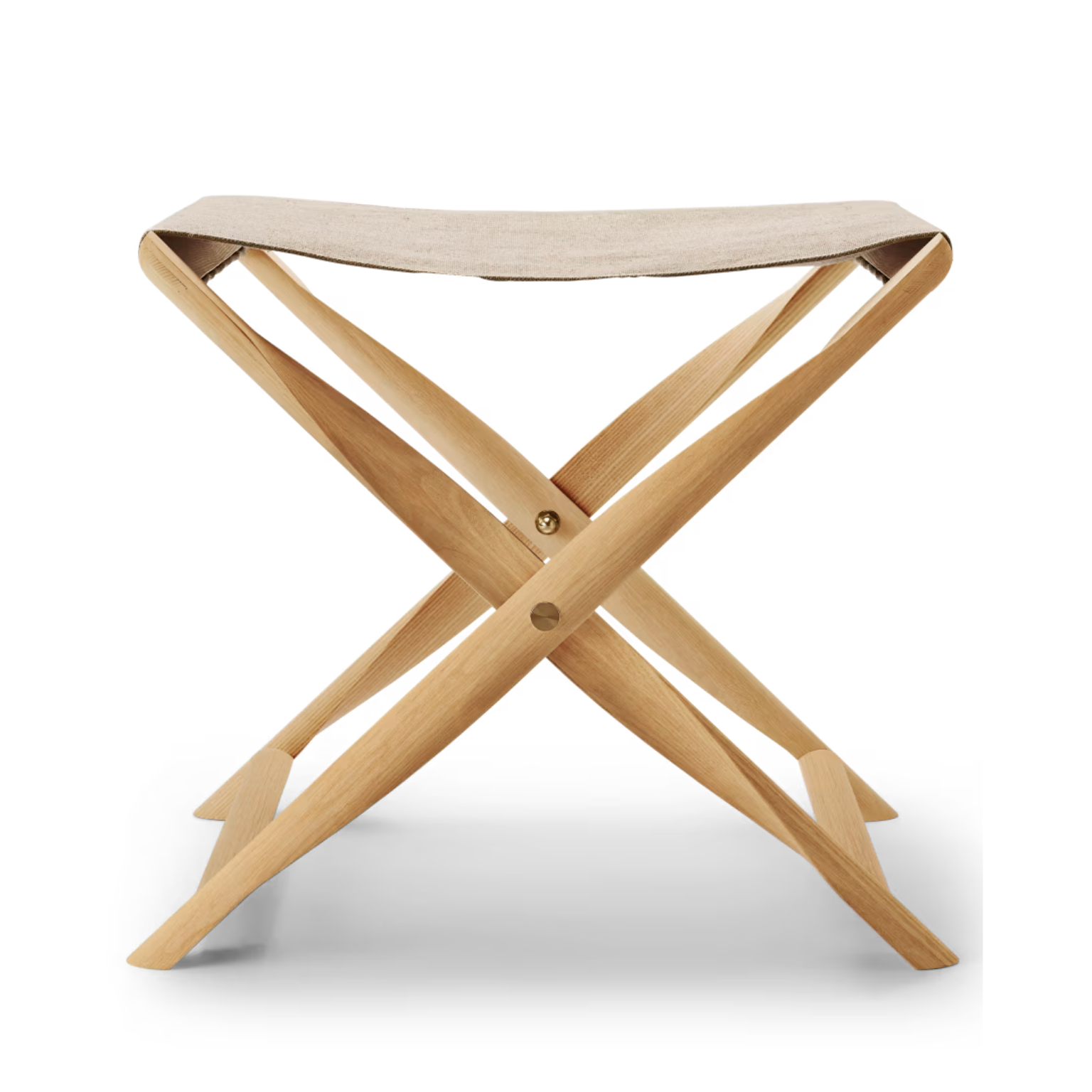
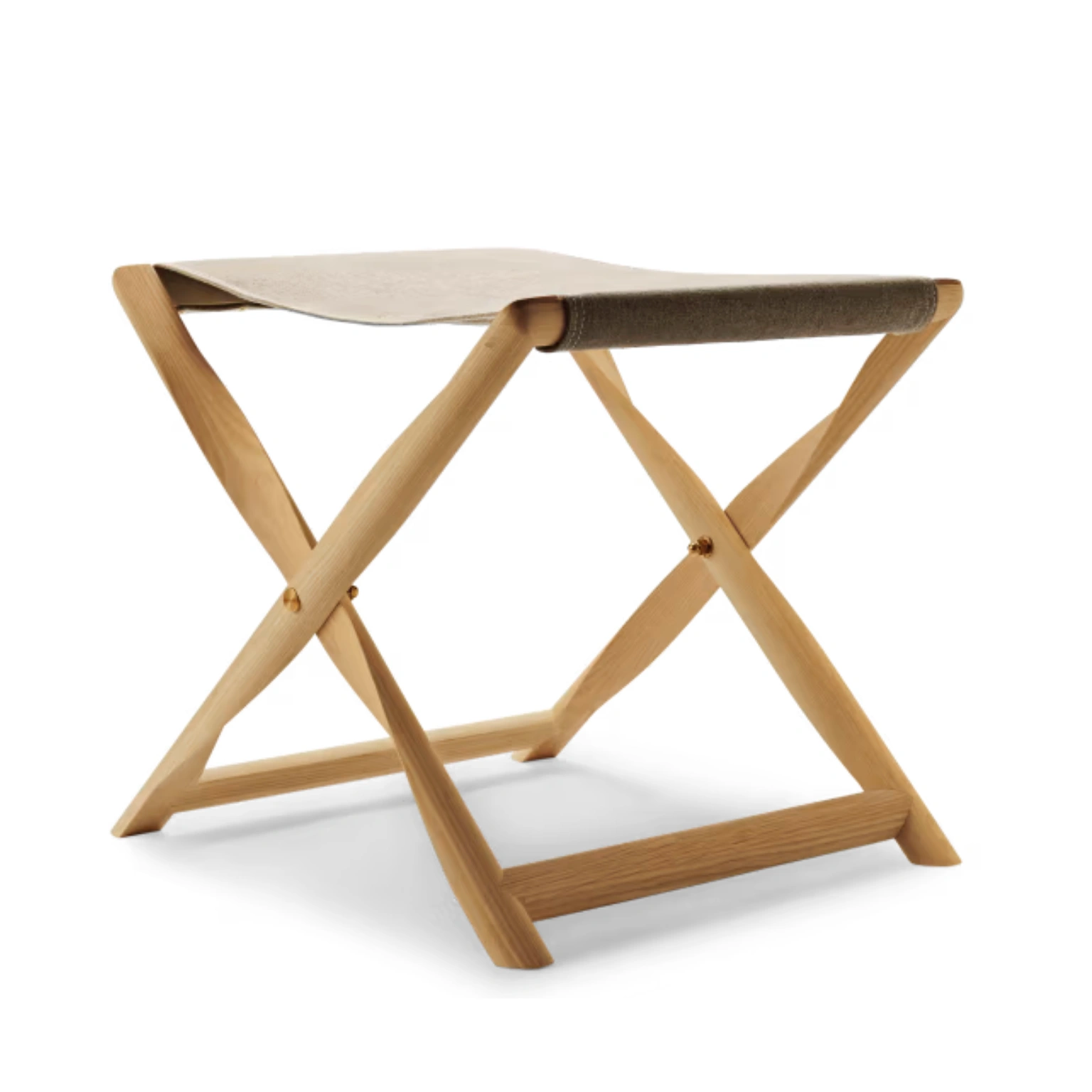
A twist of form, a lift of function – the Propeller Stool elevates presence as much as posture. Introduced as a marriage of sculptural elegance and everyday utility, the Propeller Stool turns a simple seat into a statement. Its three-blade design, inspired by motion and balance, seems to spin lightly around its axis, yet it remains grounded in solid craftsmanship. Carved from premium wood and finished with precision, each angle and taper is deliberate, offering both stability and a subtle visual dynamism. To sit upon it is to feel energy captured in stillness – a piece that is at once kinetic, poised, and utterly refined.
Read More
